Kategorie: all posts

  • Modeselektor – DJ-Kicks

    Modeselektor – DJ-Kicks

    Preface – A Return to Listening

    This blog reflects quite well how little—and how superficially—I listened to music over the past year. If I listened at all, it was usually just to individual songs, without knowing anything about their background or taking the time to experience a full album. I didn’t find that fulfilling. Music rarely touched me in the way it can when you really immerse yourself in it.

    I simply didn’t have the patience or the interest, and I tried to keep my expectations low. Sometimes life goes through phases like that. Eventually, though, the urge to listen closely returned—and with it, the desire to write about music again. It’s a relief to realize that these things can change organically with time.

    For my first review after this long break, I’ve chosen the only album I that truly captivated me during my absence from writing. Throughout the winter, it became a constant companion, playing whenever I had the chance. I love those rare moments when an album completely absorbs you, when you want to hear every detail and gradually feel as though you’ve become part of its world.

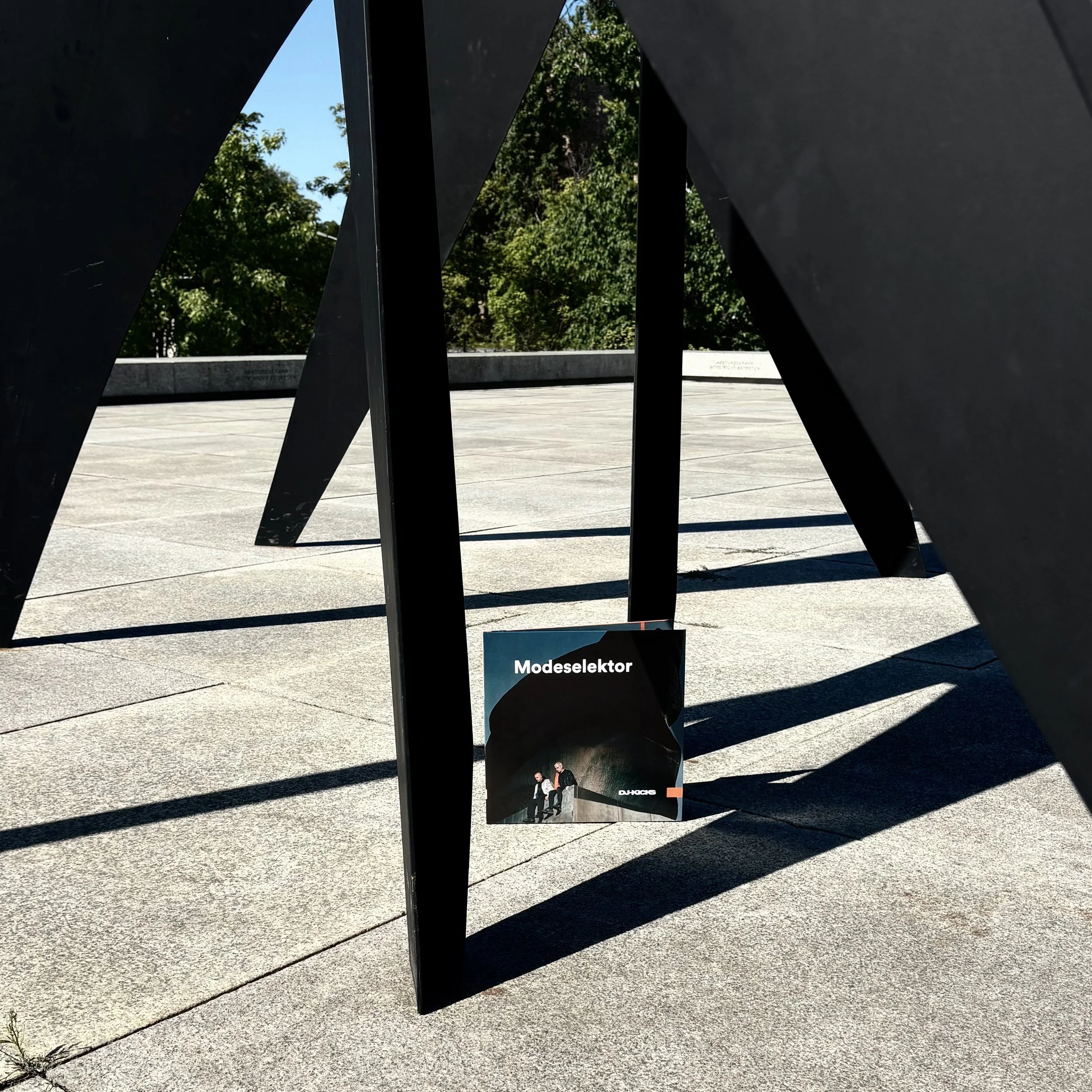
    DJ-Kicks: Modeselektor

    Artwork DJ Kicks: Modeselektor

    Modeselektor’s contribution to !K7’s long-running DJ-Kicks series brings together their own productions with tracks by a wide range of other artists.

    Despite its wide range of artists and genres, the mix consistently bears Modeselektor’s unmistakable fingerprint. Through subtle edits, sequencing and transitions, they imprint their rhythmic, bass-heavy aesthetic onto the entire set, making even stylistically distant tracks feel as though they belong to the same musical world and create a unified experience.

    Weaving Contrasting Genres Together

    The mix reveals its character from the very beginning, where sharp contrasts in genre and sudden changes in direction immediately capture the listener’s attention. Modeselektor effortlessly combine dancehall, dubstep and avant-pop into a cohesive whole. It begins with the dancehall-inspired „Permit Riddim“, underpinned by their characteristic bassline, before moving into the pumping, percussive rhythm of „MEGA MEGA MEGA“. This momentum is suddenly interrupted by a heavy dubstep passage, only to return to the driving percussion as they seamlessly weave in the avant-pop track „Gaister“. Compared to the original, their edit is subtle, yet a deeper bassline and slightly more forceful rhythm reshape the track just enough for it to slot effortlessly into the mix. It naturally builds towards their own track „Kupfer“, which in any case sounds unmistakably like Modeselektor: percussive, breakbeat-heavy, frequently interrupted by spacious melodic passages, yet always pushing forward.

    That sense of openness briefly returns with the interlude „Hero Once Been“ before the mix enters what is, for me, its most exciting stretch, beginning with „10 Minutos“.


    From Intensity to Reflection

    It begins with Little Simz’s already phenomenal „Mood Swings“, here reworked by Modeselektor with an incredibly pulsating beat that amplifies the track’s intensity even further. The marching, percussive rhythm that follows drives the energy higher before briefly slipping into the dark atmosphere of Chlär’s „Populism Is Money“.

    Immediately, however, in the track “Overture” Maxime Denuc’s magnificent organ melody takes over. Its rhythmic, techno-infused playing complements the hardness and urgency of the surrounding tracks perfectly. The result is a passage that somehow conveys numbness, tension, and theatricalhopefulness all at once.

    The sequence leads into “Movement” with the climax broken by an unexpected beat switch. A heavy, bouncy beat gives way to a lighter, almost floating groove in while you can hear the voice of “Paul St. Hilaire” calmly speaking in a deep, smoky voice gliding effortlessly through the music, creating a strangely weightless feeling.

    „The Machine“ initially feels as though it wants to slow the mix down before „Spillhaugen“ completely changes its direction. Suddenly, Beirut’s indie rock melancholy provides a beautiful, almost romantic moment of reflection.


    From Club Energy to Quiet Reflection

    The pause is short-lived. The mix quickly launches into its second climax with club-focused tracks such as „Spellbound“, „Percolate“, „Bonk“, and „USA USA USA“, all driven by a dark, relentless four-on-the-floor techno rhythm.

    That intensity gradually opens up again with the breakbeat-heavy „Stone Rinse“, which eases the pace without sacrificing the gravity or darkness the mix has built up.

    The closing begins with Julien Bracht’s spacious, understated contribution before arriving at one of the mix’s most peculiar and moving moments: Siriusmo’s „Koko“. Here, a robotic voice attempts to express vague but deeply human emotions:

    „I am Nature. Men Koko love. Earth Koko love, but Men Stupid. Koko sorry. Koko cry. Time hurry. Fix hurry. Help Earth, hurry! Nature seen. Thank you!“

    After this strange and unexpectedly touching statement, a melancholic piano passage brings the mix to what feels like its conclusion. Yet even here, Modeselektor cannot resist pushing the music forward one final time, extending the ending with another subtle rhythmic transformation before letting everything quietly fade away.

    Few mixes have stayed with me as long as this one. Through the selection of outstanding tracks, every contrast serves a purpose, making the mix feel vivid, unpredictable and constantly engaging.

  • The Düsseldorf Düsterboys – Nenn mich Musik

    The Düsseldorf Düsterboys – Nenn mich Musik

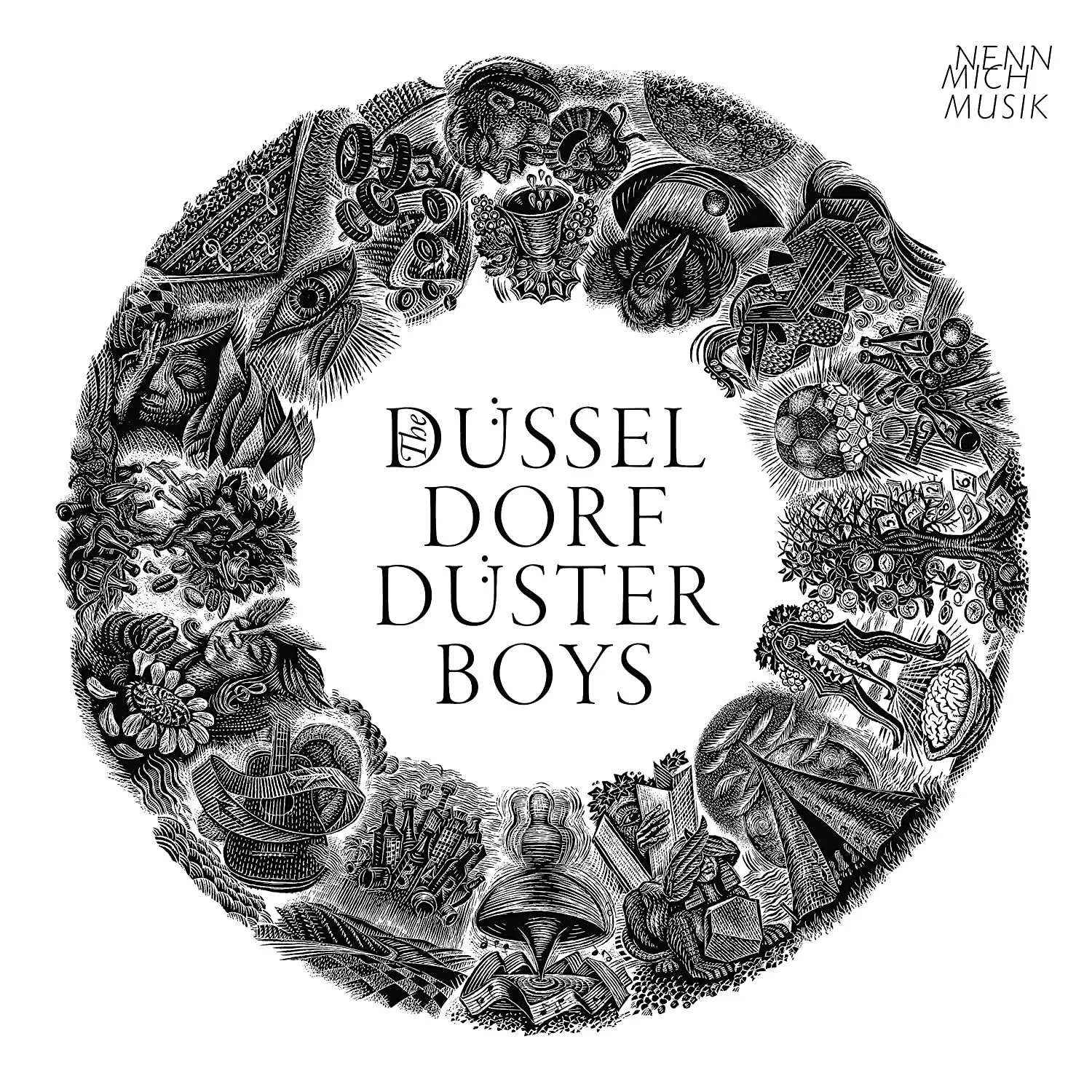
    Artwork: The Düsseldorf Düsterboys

    Artwork: The Düsseldorf Düsterboys

    Die Platte „Nenn mich Musik“ hörte ich erstmalig 2019 in einem Secondhandshop in Leipzig, als ich mit Freunden unterwegs war. Eigentlich auf der Suche nach Garderobe, wurde ich zufälligerweise auf andere Weise fündig: eine Musik- Neuentdeckung, die ich seitdem unzählige Male auf und ab gehört habe.

    Ich fragte den Ladenbesitzer sofort nach dem Interpreten. Egal, ob ich im Café, in Restaurants oder bei DJ-Auftritten über interessante Tracks stolpere, ich habe mir angewöhnt, die dort anwesenden Menschen nach der Musik zu fragen. Wie oft habe ich schon – nach nicht ergriffenen Gelegenheiten oder fehlendem Shazam-Zugriff und trotz langer Suche – bereut, den/die Interpret*in nicht wieder zu finden. Zudem ist es ein toller Nebeneffekt, über die Musik in Kontakt zu treten, womöglich sogar noch mehr zu erfahren. Die Gesprächspartner sind jedesmal begeistert über mein Interesse und neugieriges Nachfragen.

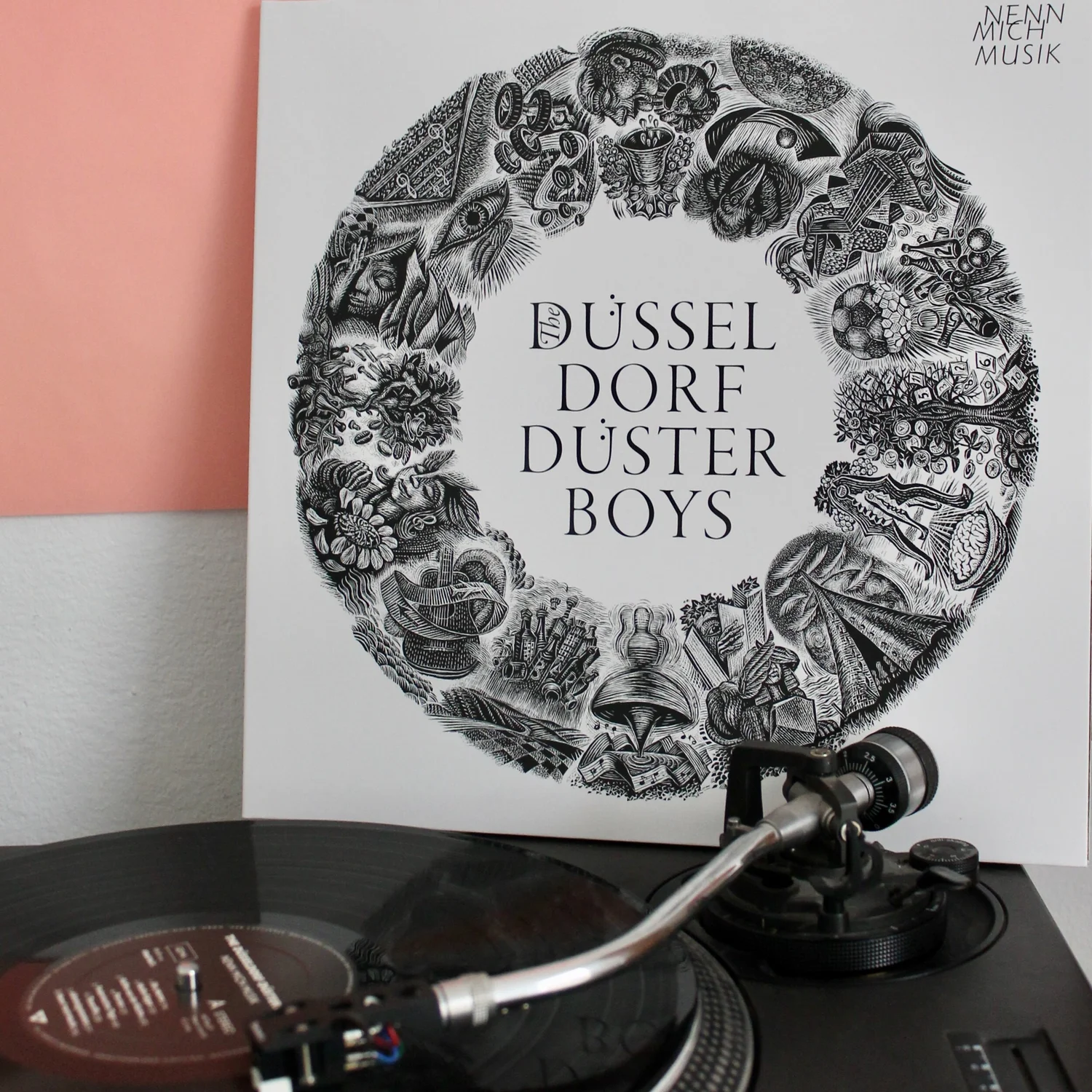
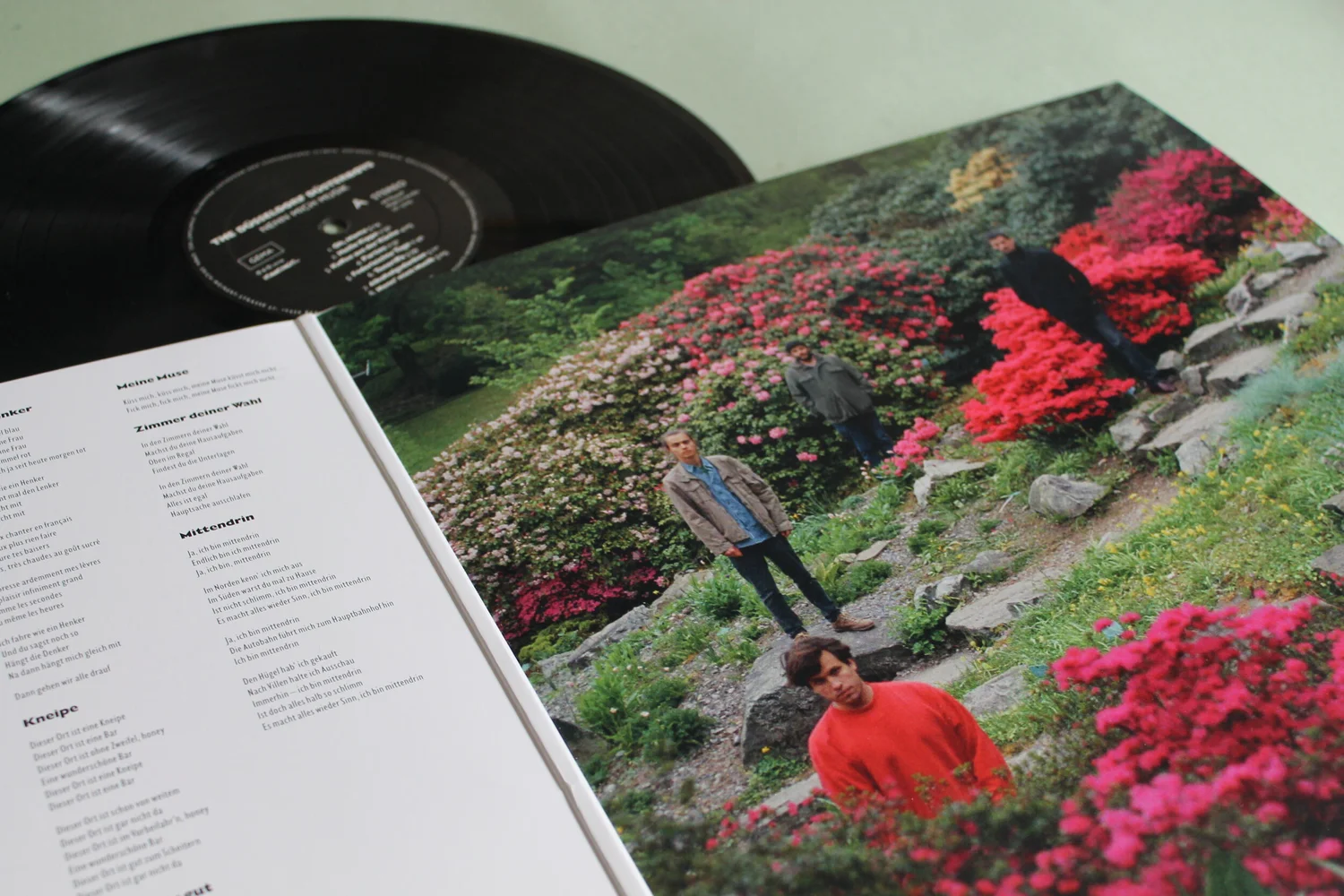
    Die Musik passte perfekt in den dunkel beleuchteten, leicht miefigen, aber gemütlichen Laden. Die Band The Düsseldorf Düsterboys, bestehend aus den Sängern Pedro Goncalves Crescenti und Peter Rubel, die von Edis Ludwig am Schlagzeug und von Fabian Neubauer am Klavier begleitet werden, veröffentlichten 2019 die Platte „Nenn mich Musik“.

    Artwork: The Düsseldorf Düsterboys

    Artwork: The Düsseldorf Düsterboys

    Im ersten Moment würde man die Lieder in die späten 70er Jahre verorten, da durch die Klangästhetik westdeutscher Krautrock vermittelt wird. Der Inhalt ihrer Songtexte macht jedoch hörbar, dass diese vor nicht allzu langer Zeit verfasst worden sind: Sie befassen sich vorwiegend mit der Faszination und Vertrautheit von urig-geheimnisvollen Kneipen, die einen nach einer bereits durchzechten alkohohllastigen Nacht, dazu einladen, sich auf versifften Kneipenhockern festzusetzen und melancholische, tiefgründige Gedanken oder Gespräche geschehen zu lassen. Die Kombination ihrer Themen, die sich zwischen Trägheit, Melancholie, Sehnsucht, Ironie bis hin zu Absurditäten bewegen, lassen sich unterschiedlich deuten, haben aber vorwiegend einen belustigenden Effekt auf den Hörer. Die humoristische Wirkung war ursprünglich gar nicht beabsichtigt, doch laut der Band ein neuer Blick auf ihre eigene Musik.

    Insbesondere der Song “Mittendrin” hat meine Faszination aufgrund der doppeldeutigen Wirkung geweckt. Das Lied könnte nicht träger gesungen werden und der Inhalt des Songs ist spärlich, aber es versetzt den Hörer in den Zustand von Zufriedenheit mit einer Prise Schwermut. Dieses Gefühl wird zusätzlich am Ende durch ein wunderschönes Gitarrensolo verstärkt. Doch diese übertriebene Trägheit des Songs ist daher in gewisser Weise auch komisch und belustigend.

    Vor allem aber macht die Musik Freude, wenn man sich dem mehrstimmigen Gesang von Peter und Pedro anschließt und mitsingt; als säße man gesellig mit Freunden in einer urigen Kneipe und stimmt zusammen Lieder an … zumindest geht es mir so 😉


    Meine weiteren Empfehlungen, um einen guten Eindruck für die Musik der Band zu bekommen, sind die Songs Parties, Heiße Kippe, Oh Mama und Kaffee aus der Küche.

    Oh, Mama

    Kaffee aus der Küche

    Nenn mich Musik auf Spoify hören:

  • Gidge – New light

    Gidge – New light

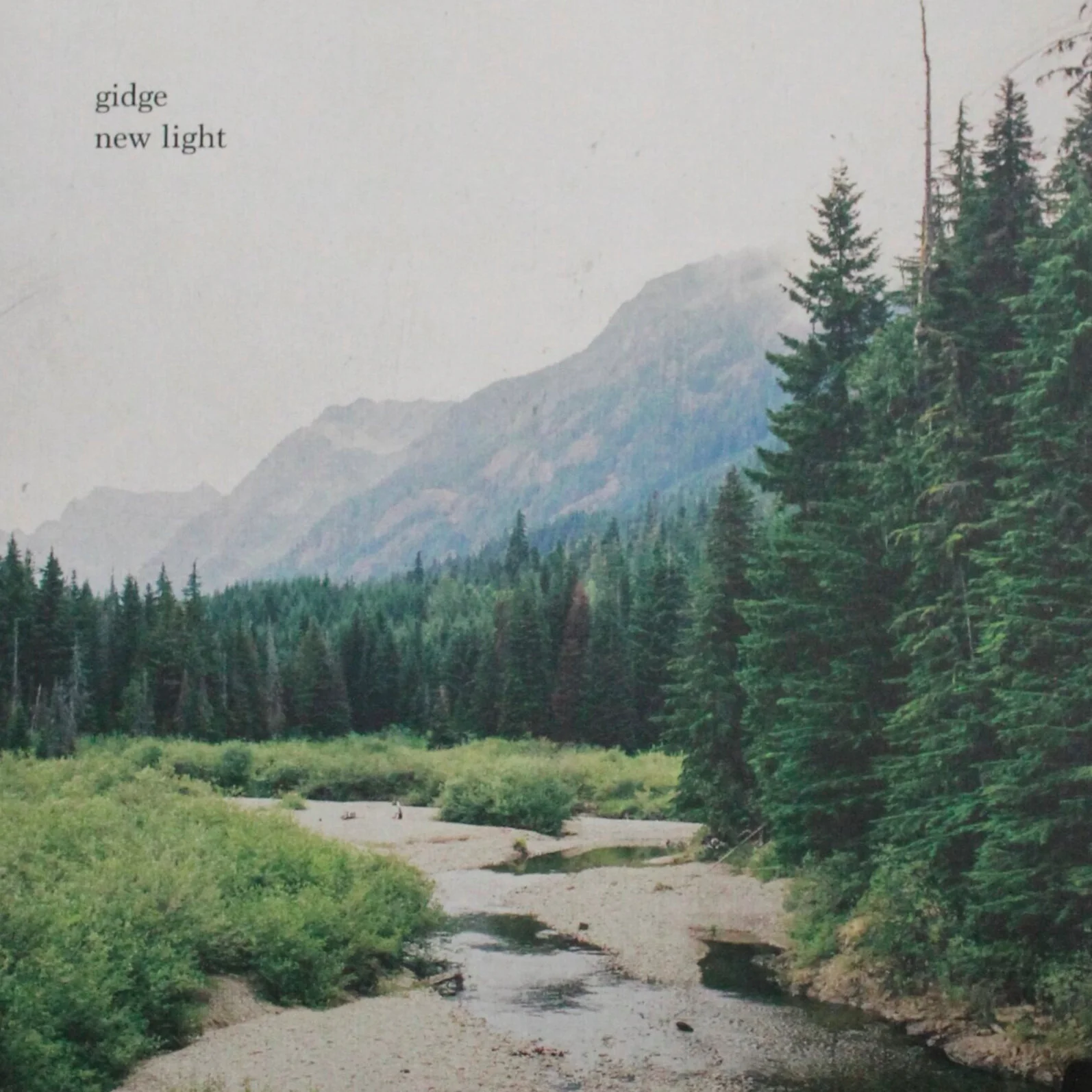
    New Light Cover Art, Atomnation

    New Light Cover Art, Atomnation

    Gidges‘ latest 2020 release “New Light” caught me by surprise, but also as a slight disappointment in comparison to “Autumn Bells”. Having said that, it anyway might seem hard to outdo their debut LP in which they have set very high standards.

    The Swedish electronic DJ-duo, Ludvig Stolterman and Jonatan Nilsson, self-reportedly found their inspiration for New Light travelling the Pacific Northwest and again, recorded sounds of forests, oceans and mountains.

    In general, the album’s beats are a lot faster than those of their debut album. Driven by using rapid rhythms, consecutive variant beats, cueing in vocals and instrumental samples, thus creating a much brighter and lively atmosphere. While “Autumn Bells” consists of a greater influence of ambient music, “New Light” certainly has its location in ambient house music through its emphasis on melodic and vocal character.

    Again I would like to point out parts which stand out for me and define the album’s character: The first Song “Quasar” perfectly prepares you for the consecutive track “New Light”: “Quasar”s‘ smooth cut at the end, which gets taken over by “New Light”, combing sounds of the previous song but with a complete different set out, creates an infectious mood simply animating oneself to dance. With the 10 minute track “Perimeter”, Gidge yet again show their diversification of sounds throughout its course and then finishing off with a calm, melancholic outro.

    Nevertheless, Gidges‘ signature is clearly perceptible in those 9 new tracks: transporting the endlessness of the ocean and deep woods, Scandinavia’s cold and misty weather, which creates a comforting and vibrant effect on its listener. In comparison to their LP Autmn Bells it is a lot more melodic and dancy.

  • Introducing Myself

    Introducing Myself

    ©amelienii

    ©amelienii

    Growing up with music

    My first musical memory: running and dancing around to Randy Newmans first song of his record “Randy Newman- Love Story(You and Me)”. As a child the song’s built-up cut me off my feet. With my child’s ears it sounded really wild, like a punk-rock song. Whenever I listen to the song now that memory gf wha effect it had on me makes me laugh, however I can still easily refer back the feeling of this magic moment.

    The people that were close to me had an essential impact on my taste in music. I absorbed everything I heard especially from my dad and brother and dug through their music collections. Thus, my earliest influences were mainly records from Supertramp, Billy Joel, Dire Straits and a lot of classical music, later on followed by the Beatles, Giora Feidmann, Eminem, the Beastie Boys and Kings of Leon.

    A while back I was told that as little child whenever I watched a movie, afterwards I always wanted to listen to the music. I It was the part which drew my attention. Movies can be a good source to discover music. My early childhood curiosity led me to actively start searching for music myself.

    Throughout my childhood I collected music and made my own mixtapes which I called “Andi`s Mixxxx”, providing friends and family with my latest findings, already eager to show and share my discoveries.

    However, the most valuable source finding music is whenever people show me their music, it’s a great joy for me to see their enthusiasm about the music they can get excited about. Even if the song does not exactly meet my taste, I’d still give it a try as their enthusiasm is convincing enough for me. Most of the times it would turn out to be worthwhile.

    Where music can be found in my life

    I can listen to music 24/7, either walking around with big headphones or tuning music with my record player. I use any moment to listen to music: on the bike, while cooking, during sports, in company with friends.

    Before the Corona pandemic, I enjoyed going to concerts, festivals and clubs. It is a great loss being cut off from all the great culture we have and I wonder not without distress what negative long-term effect the pandemic will have on the cultural, musical sector.

    Passioned piano player. I started playing the piano at the age of seven, after discovering a piano at a family friend’s house, making up songs while singing along about a small mouse for hours on a stretch, I asked my parents for getting piano lessons.

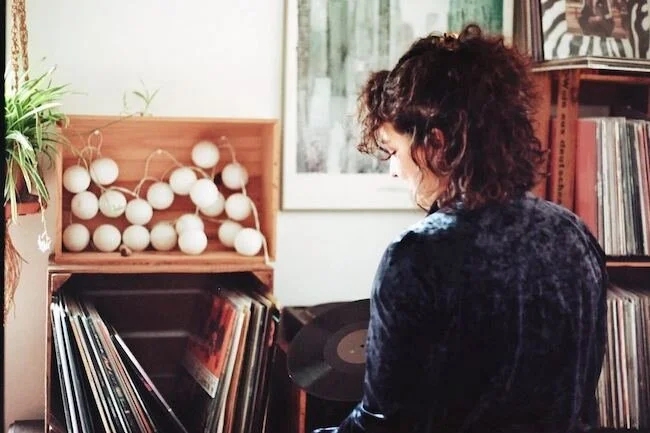
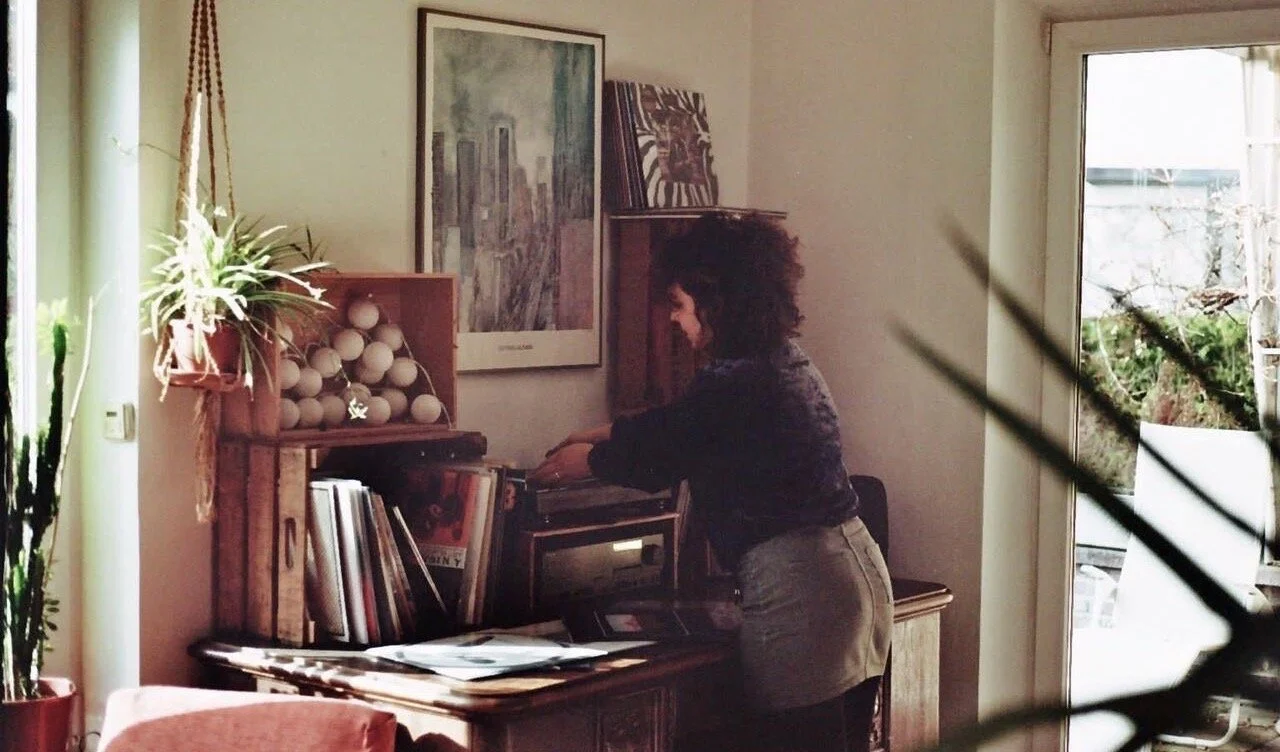
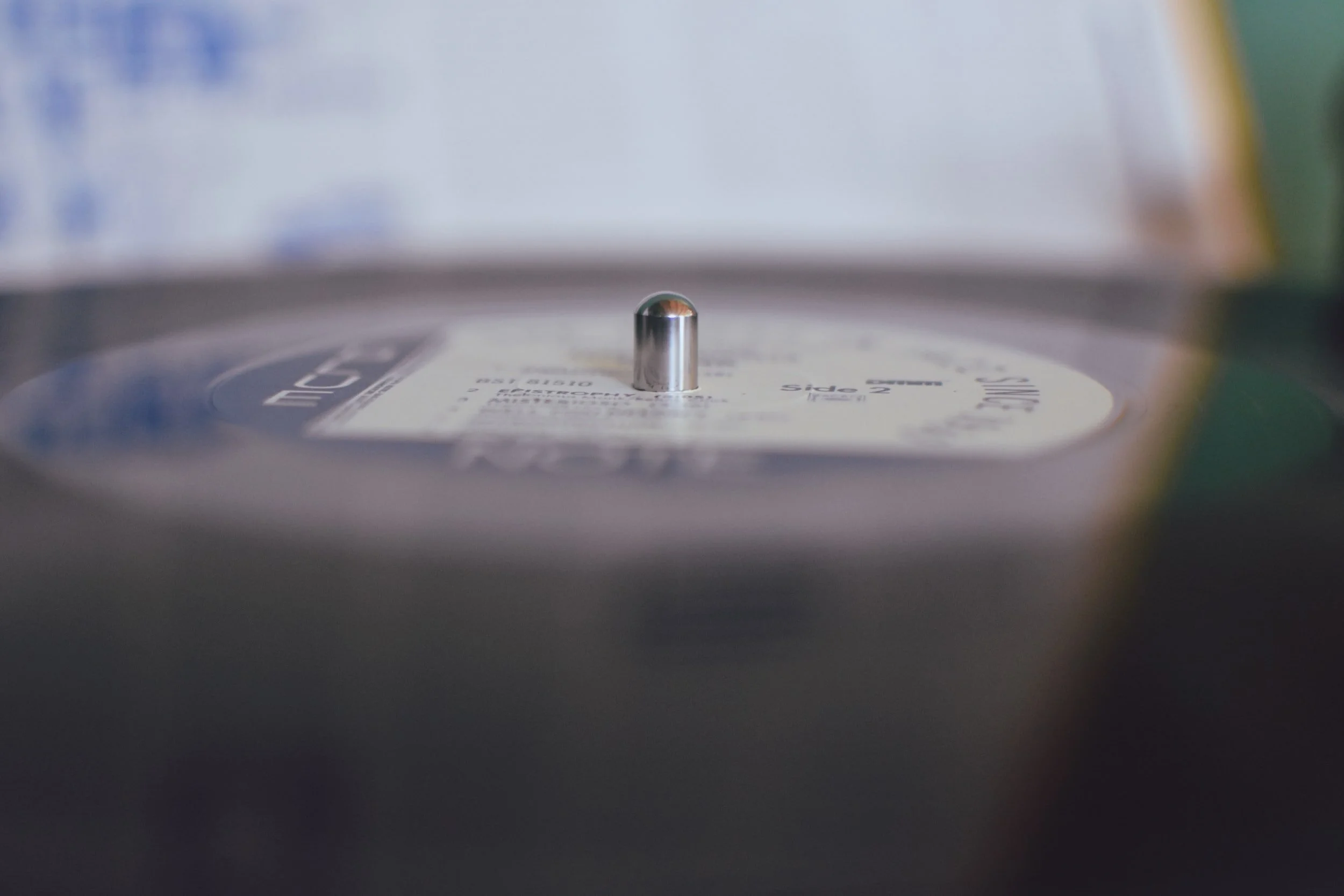
    Record collector. Over the past three years I have increasingly invested in vinyl, buying the records that I love in hard copy. Having the music physically present is a complete different experience. Giving a specific music piece more attention through manually handling the vinyl record.

    DJ-ing.

    I have recently started to jock the discs myself, providing me with it is a lot of fun to experiment and pulling on the buttons 😉 If I had a DJ idol, it would be Robin Dey, a DJ mainly mixing deep house and downtempo located in Berlin. I absolutely adore his techniques, and his build-ups. His sets are extremely flowy and catchy music to dance to.

    ©amelielii

    ©amelielii

    The Music I listen to.

    My taste in music is very diverse. As a young girl I listen to almost all the pop and standard rock music there was and numerous soundtrack records, which gave me solid basic knowledge). I started listening to electronic music at the age of 15 being a complete addict to Ellen Alliens record „Orchestra of Bubbles”, a local Munich DJ-Duo called “Schlachthofbronx” and then soon discovering darker techno through Chris Liebing. These discoveries made me enter sub genres like ambient, minimal electronic, deep house, (hard) techno, tribal, melodic techno and downtempo.

    I have always had a big interest in hip-hop, especially German hip-hop and rap. Trettmann, Kummer, Samy Deluxe, Absolute Beginner, Haiyti, Haftbefehl, Dendemann, Fatoni, Megaloh, Bilderbuch; Kraftklub, Dicht&Ergreifend and Deichkind are among those artists whose music I absolutely love.

    However, records from other genres such as Alternative Rock, Singer-Songwriter, Jazz, Funk and classical music can also be found in my record collection. Genres which haven’t convinced me (yet) and probably will never appear through my reviews are (Punk-)Rock, Indie-Pop, Metal, K-Pop or Reageton 😉

  • Introducing the Categories

    Introducing the Categories

    Through the categories I am trying to meet people’s listening behaviour, as I have observed different habits in how people are willing to approach new music: Some people are really open into new sounds and like to explore new bands and artists, some prefer the more “convenient” way in putting on someone’s playlist which could meet their taste while others tend to listen to a few tracks over and over again. The categories “engaging with new sounds”, “being on the safe Side”, “brief inspiration”, and “playlists” will all cover these different forms of listening behaviours. I would declare electronic music as my speciality and the genre I’m most versed in, thus “a deeper dive into electronic music” will offer the possibility of discovering a diverse range of gems that electronic music provides. Lastly the category “German sounds”, as the name suggests, will only include music by German artists, thus these reviews will be written in German.

    However, my main issue and a decisive reason why I review music is because I have observed the following: Through a lot of conversations with friends it has become extremely apparent, that most of them are overwhelmed with the immense access audio streaming services provide, thus they normally cannot be bothered or do not have the time and energy to properly search for new music without any references. So, they end up in the most common way by browsing through Spotify’s’ generated playlists. This development almost scares me, as users merely register what they listen to and algorithms choose what they listen to next. Artists can pay Spotify money to get included into algorithms or playlists, so only big artists and labels are able to afford this “pay-to-play-method”, which makes it difficult for small, independent artists and labels to build up a bigger audience. Us, the ones who consume the music, are not actively in control in what we listen to. The more we listen to music picked by algorithms, the harder it will be to discover something genuinely new while maintaining musical diversity.

    I want to make a mark and take an active stance against this development by making small difference through my blog, giving people the possibility to receive music by someone who is very keen to be well informed, careful and critical.