Kategorie: new sounds

  • Zenker Brothers – Cosmic Transmission

    Zenker Brothers – Cosmic Transmission

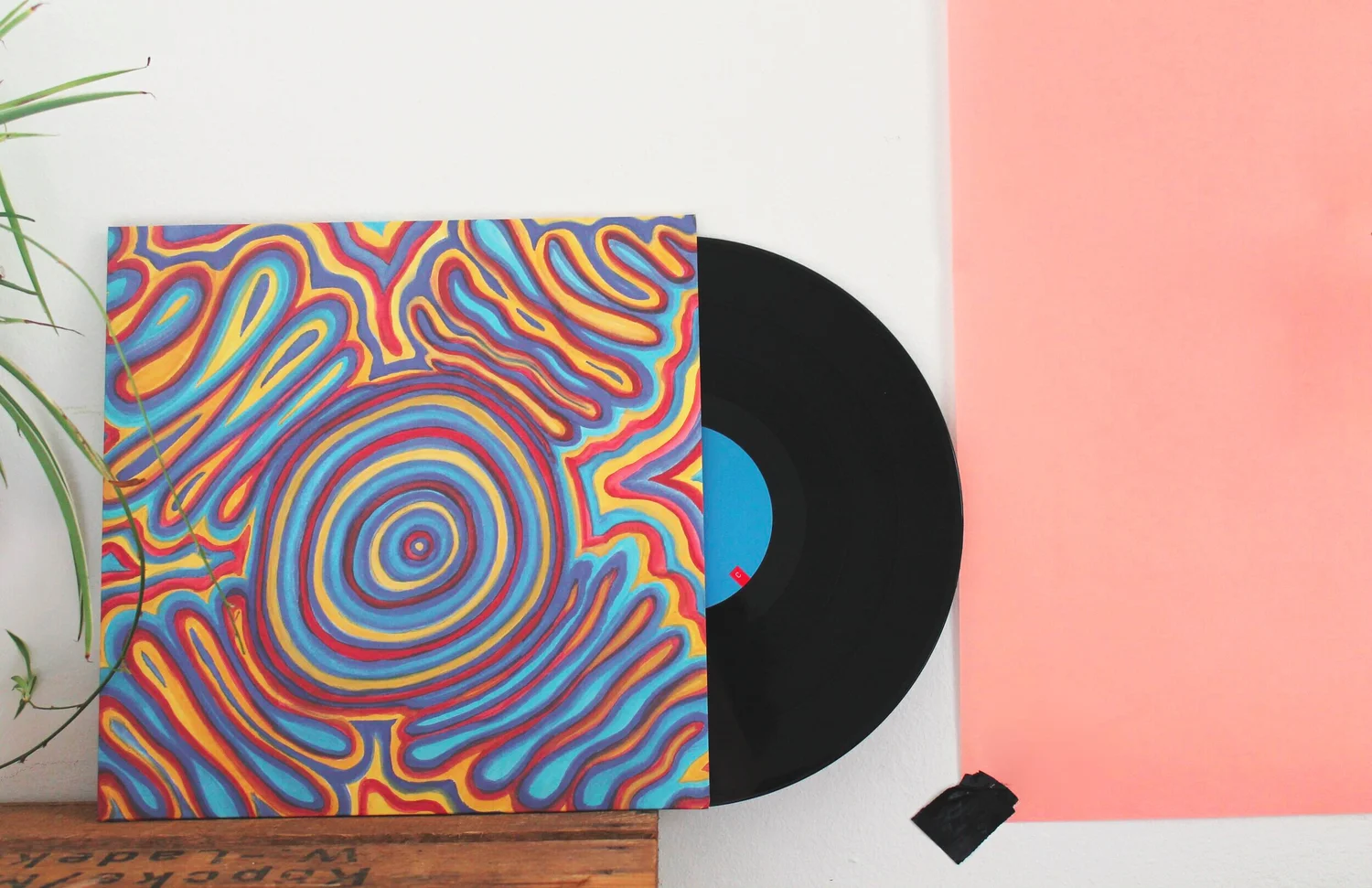
    Artwork Cosmic Transmission

    Artwork Cosmic Transmission

    Cosmic Transmission – a piece made in my hometown Munich by the two brothers Dario and Marco, founders of the techno label Ilian Tape in 2007. I discovered them a few years ago browsing through the records in my hometown store Optimal Records. After listening to their first LP in 2015 Immersion, numerous EPs, great live performances and broadcasted sets, they finally released a new phenomenal and diverse record in October 2020.

    Listening to Cosmic Transmission, The Zenker Brothers lead you through a broad variation of genres. The beginning opens up slowly with its ambient track ‚When Nothing Is Safe‘ priming you to the following 10 tracks: raw sounds alternating between influences of Techno, Deep Electronic and Dub, underlaid with its sound aesthetic of 90’s Hip-Hop, which they consider as their primary influence. According to them, they are more inspired from old-school Hip-Hop rather than modern techno sound – they integrate ’90s boom bap Sound‘ because of its timelessness and its futuristic and pure sound effects – “Boom bap” was prominent in the East Coast during the mid-1980s to the early 1990s characterised by a main drum loop that uses a hard-hitting, acoustic bass drum sample on the downbeats and a snappy acoustic snare drum sample on the upbeats.

    Its futuristic character renders every single track uniquely fascinating. While listening you get the time to dive into each sound formation and beat pattern, which is necessary as they are so cleverly built up and show no repetition. I always emphasise to listen to the whole album, as for me it is the only way to get an idea of the concept of a particular record. However, for a first glance, I highly recommend the following tracks, which mirror the Zenker Brothers distinct sound:

    Sphere Force, as the name already indicates, comes along with a spacey association accented with sci-fi computer sounds. Its spaciness gets carried along into the following track Divided Society, however with much more aggressiveness generated through faster drums and industrial, metallic sounds. Combing the sound to its name, the Zenker Brothers transform this feeling of division extremely well. The track transports anxiety, uncertainty und hastiness.

    Transforming Well explicitly shows The Zenker Brothers influence of 90’s Hip-Hop beats and has a groovy atmosphere. Perhaps the most impressive track is Let Loose, especially on the emphasis of its incredible sound aesthetic. The track is magnetising and like a powerful force. In my imagination, a picture arises of thousands of molecules, bit by bit all attracted into the same direction.

    As well as the opener Transcending closes the record with a light melody supported by unagitated beats, leaving you with the sensation having heard a record with extremely varying turns and surprising association.

    The Result of a brotherly bond

    As kids the brothers Marco and Dario spend a lot of time together. At first, the elder one Dario started to DJ on his own. A couple of years later Marco came to see him in a club for the first time and they soon wanted to play around on the sound gear together like back when they were kids. It had always been important to them spending a lot of time together, thus it was a natural thing to also start making music together. They describe their way of producing music as a playful ‚procedure‘ with a cheerful atmosphere: laughing and joking together, engaging in a lot of banter, thus a very brotherly and familiar way of working which probably does not feel for them like work in a conventional way, as they still interact similarly as when they were kids. “It’s sort of like hanging out and jamming than really sitting down and finishing a track in three hours.”

    They see themselves as real technology nerds but are not theoreticians, meaning they prefer to mess around with a piece of new equipment and finding a way to learn how it works rather than reading the manual.

    When it comes to creativity, they first of all obtain their inspiration through all the gear they own since they find this environment incredibly inspiring. Working solemnly with hardware ties them to the function a particular gear provides, however it also ties you down in bringing out everything the machine provides rather than having a software, which allows you to program anything you can possibly think of. This immense range of sound effects software provides, would block their creativity.

    Their collaboration does not follow any particular approach. The music emerges out of coincidence and spontaneity, thus sometimes one of the brothers is taking the lead and the other works on the board and the sound itself. To them they just love hanging out in their studio, messing about and see what happens.

    Having observed the momentarily state of the techno scene, they experience that the quality and reputation of a techno artist is measured on their social media standing. This public hype will make bookers and clubs pounce on the most popular. The Zenker Brothers consciously dissociate themselves to be a part of that this phenomenon, which does not display any valid realness and quality of a DJ. They see no benefit being associated with that kind of prestige as eventually it is not about the music; It is about making sure the club is packed and to make money. In the case of Zenker Bothers they want to build up their image through their music, not through a social media standing in order to address suitable people and bookers, who care about Zenker Brother’s music.

  • Bongeziwe Mabandla – iimini

    Bongeziwe Mabandla – iimini

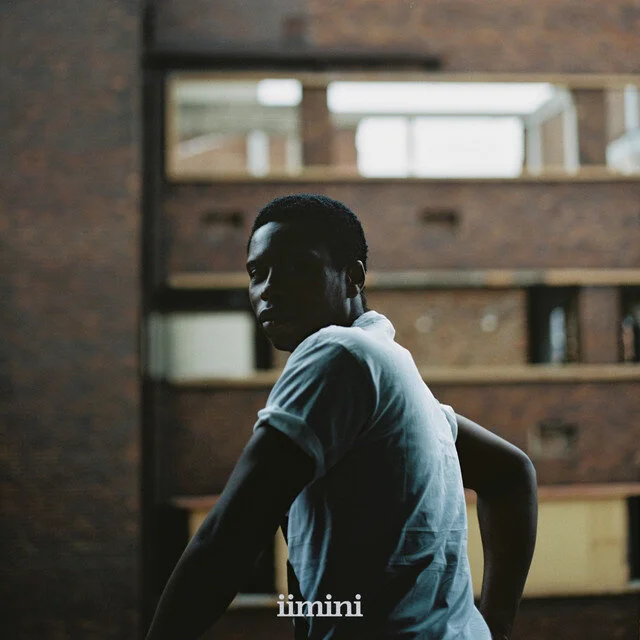
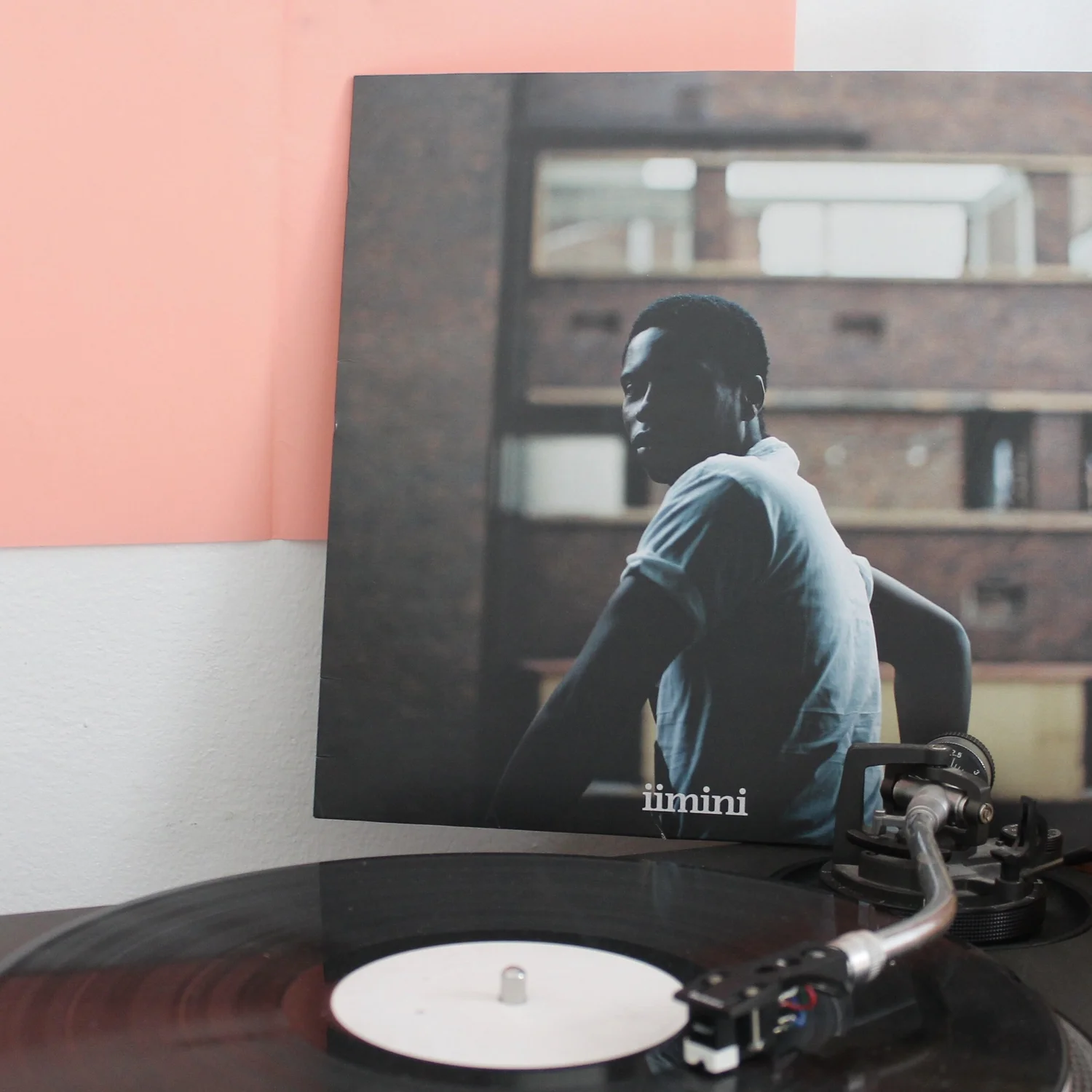
    Artwork “iimini” showing the artist Bongeziwe Mabandla

    Artwork “iimini” showing the artist Bongeziwe Mabandla

    “iimini” is one of a kind and a discovery which definitely has stood out among anything I have listened to for a while: iimini wants to tell us a story; a very personal and heartbreaking love-story lived through (and by) its singer, “Bongeziwe Mabandla”. Bongeziwe is from South Africa where he grew up in the rural town of Tsolo in the Eastern Cape, then moved to Johannesburg for his studies in Drama and has lived there ever since.

    In this seminal piece Bongeziwe takes the listener through a journey of all the intensive feelings and memories, that come along with meeting a very special person, falling in love but then sadly having to cope with breaking up and accepting the loss of that love. A dramaturgical masterpiece, indicative of this is the the beginning mark of the story in the first track, through the sound of a door opening, in the last track a door closing, marking the end of the story. Some of the tracks are named according to dates put in brackets, referring to the time of the actual events having happened in Bongeziwe’s life. Through this very personal approach he aims to share his experience as accurately as possible, like a musical autobiography showing through his own story the complexity of relationships.

    It is astonishing to see how Bongeziwe succeeded to incorporate his own story into his music so clearly, to the effect that the listener comes to understand and feels what he sings about, even without having to understand a single word of the spoken language. He sings in his mother language Xhosa, which is a language spoken in the South-Africa, Bongeziwe self-reportedly said that singing in Xhosa is not only marking his Black-Consciousness but also Xhosa’s intonation and accent sound smoother and powerful.

    It is not only the language which makes this sounds as outstanding as it is: He combines his musical background of traditional African “Call&Response” singing, his remarkable head voice and gentle acoustic-guitar, with soft electronic beats and synthesiser melodies. With this combination he not only upends any prejudices, he proudly cultivates his tradition and culture but reflects South-African music’s diversity and adaptability, by giving his music its soul and folk character.

    Check out the following 2 tracks for Bongeziwe tradmark singing:

    Overall Bongeziwe’s unique and subtle head voice creates a powerful atmosphere letting us get close to his way of trying to cope with a big loss: looking back, capturing memories and reflecting.

  • Gidge – Autumn Bells

    Gidge – Autumn Bells

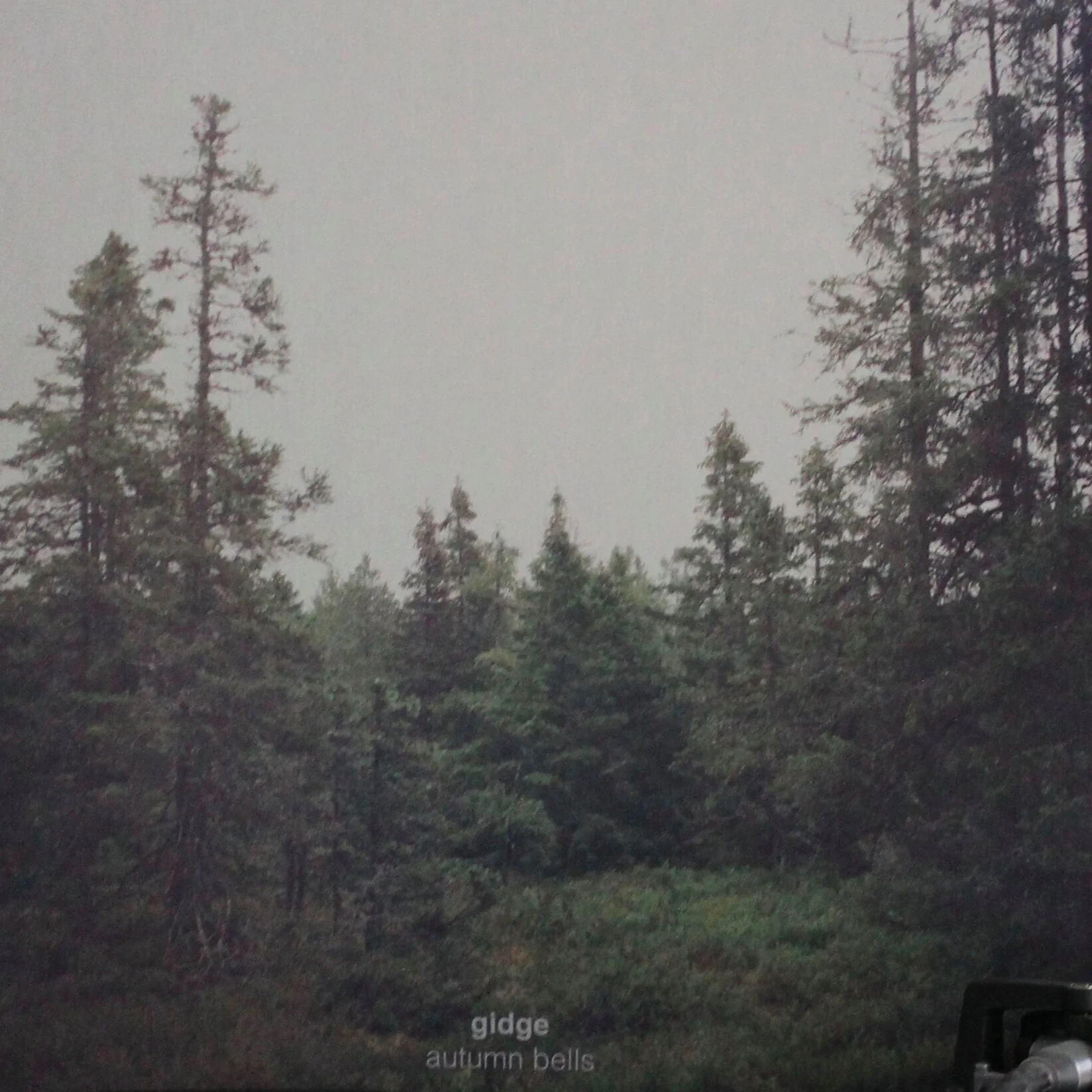
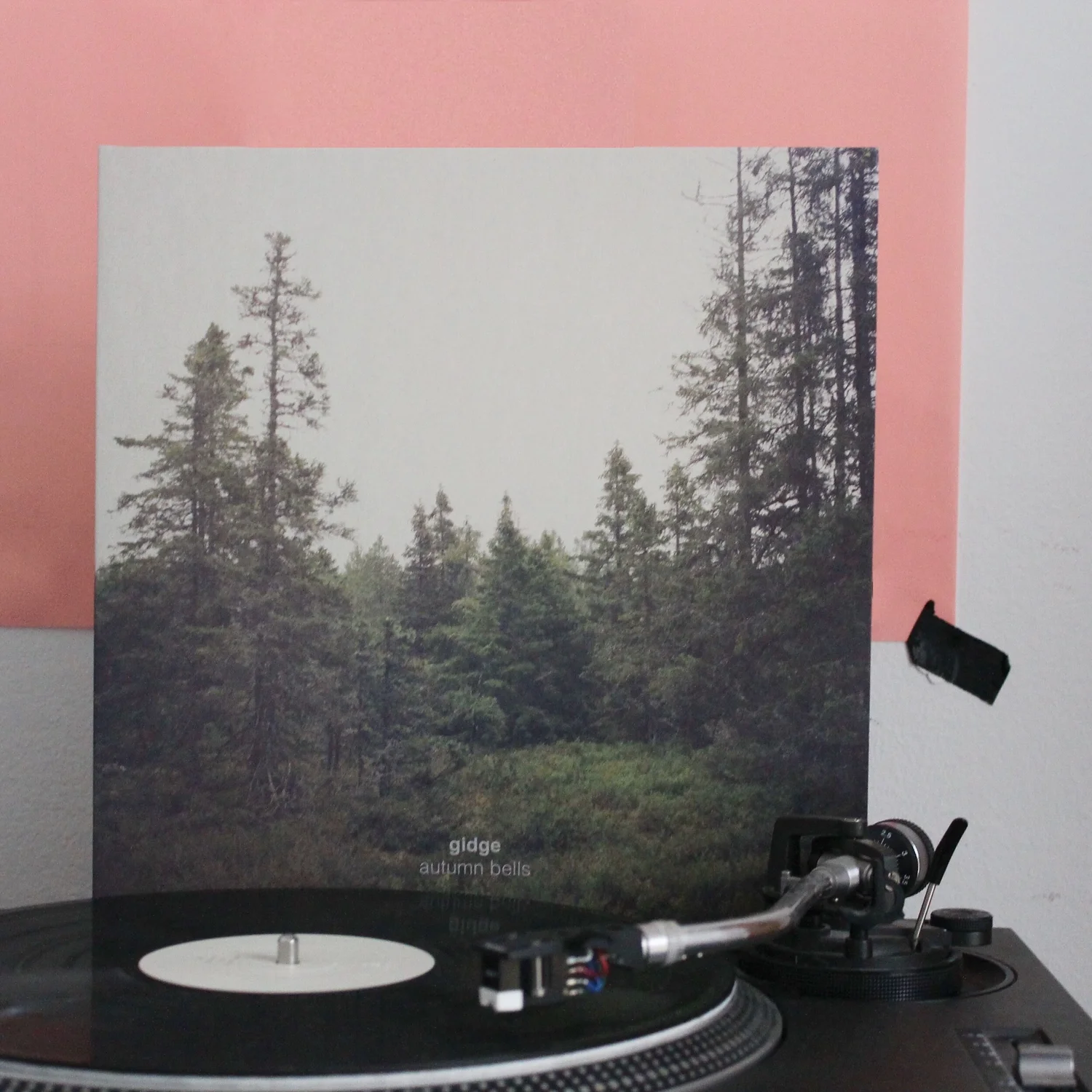
    Autumn Bells Cover Art, Atomnation

    Autumn Bells Cover Art, Atomnation

    Starting off with something old and something new:

    The DJ-Duo Gidge has accompanied me since 2015 when I first discovered their debut-LP “Autumn Bells”. I can safely say that overall this album has been my most important record over the past years and has never left my side. Not until recently Gidge hadn’t released anything new since “Autumn Bells” in 2014, however at the beginning of November 2020 they finally published their new LP “New Light” for which I had built up a lot of excitement for. Thus, for my debut review in this blog it is a great opportunity to introduce you to Gidge and their two records.

    Gidge is a Swedish electronic DJ-duo, consisting of Ludvig Stolterman and Jonatan Nilsson, based in Umeå, Sweden. They are signed to Atomnation, an independent record label in Amsterdam. What makes them stand out is their distinct sound, weaving in sounds of Scandinavia’s nature into their music, for instance recordings of Swedish woods. Through this they create a mystic, melancholic and nostalgic atmosphere, transferring the loneliness and calmness of a forest. The immersed listener will get the feeling of being in the woods oneself: absorbing the serenity of the woods through looking over misty and dusky fields, walking on moss-covered land while breaking little branches of wood lying on the ground, creating crackling sounds.

    The 2014 LP “Autumn Bell” has a fantastic structure with the songs sequenced thoughtfully, so I do highly recommend to listen to the whole album in one go. However, I’d like to point out two songs that are particularly characteristic for the whole album.

    The overall style is best showcased in the track “Dusk”: starting off with mysterious bird and nature sounds which get taken over by a melodic and dancy melody underlaid with crackles, piano samples supported by a gentle baseline. The outro gives the song a surprising twist, by a sudden interruption of the melody when a dark stomping rhythm kicks in, yet again in its final ending with the sound of running water and a piano melody coming from afar.

    The second track I’d like to point out is “I Fell in Love” which reproduces Gidges‘ unique flair of converting melancholy and the feeling of lovesickness into their sound. Listening closely, one can discover so many different components: sounds of rain, thunderstorm, piano samples, a very typical vocal sample and several outstanding rhythms all interweaving with each other.

    To sum up, I highly recommend this record. It is perfect if you like to listen to something calm and soothing, letting yourself drop down into the intense and deep sounds of “Autumn Bells”.
    To read the second review of Gidge’s latest LP New Light click here.