Kategorie: safe choices

  • Arooj Aftab – Night Reign

    Arooj Aftab – Night Reign

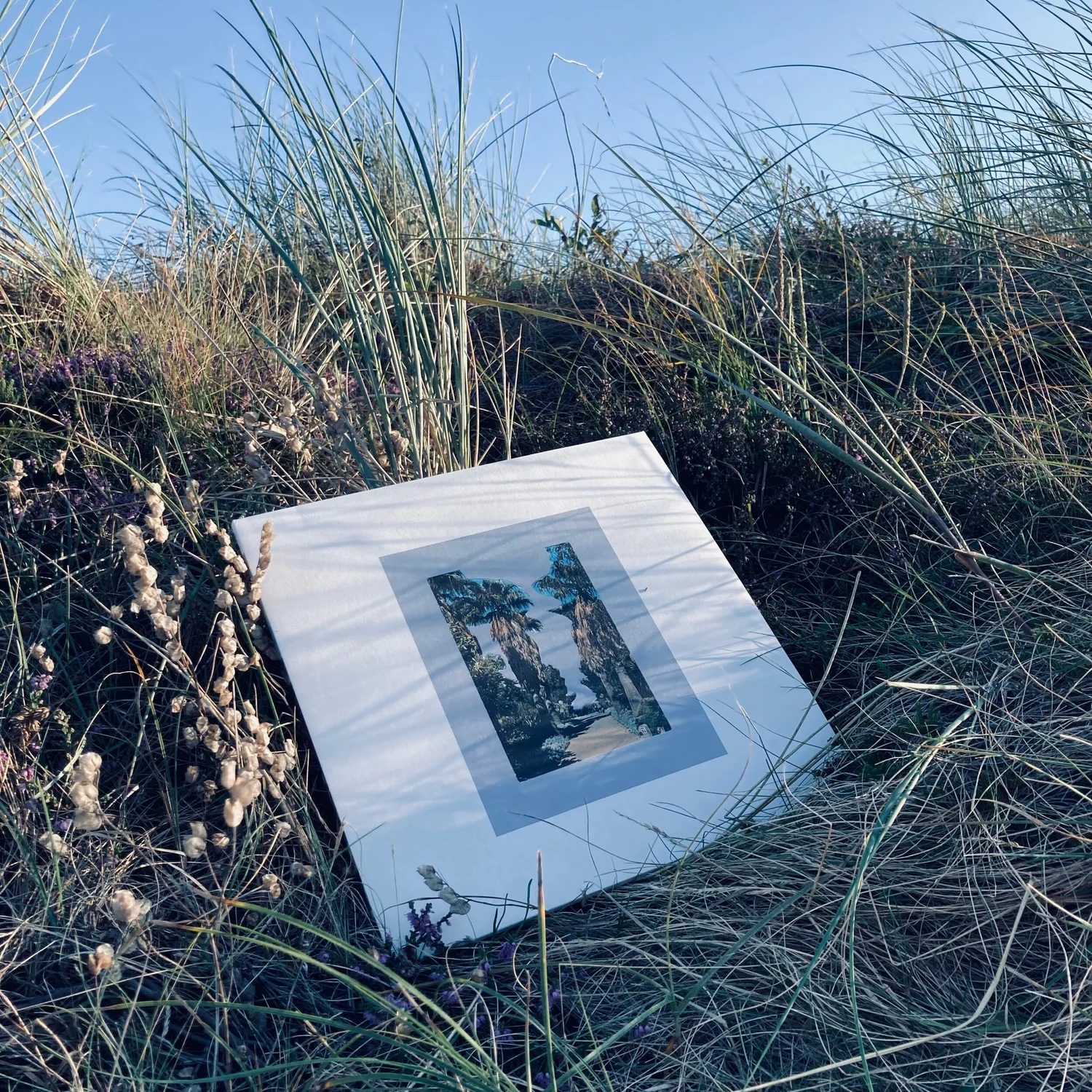
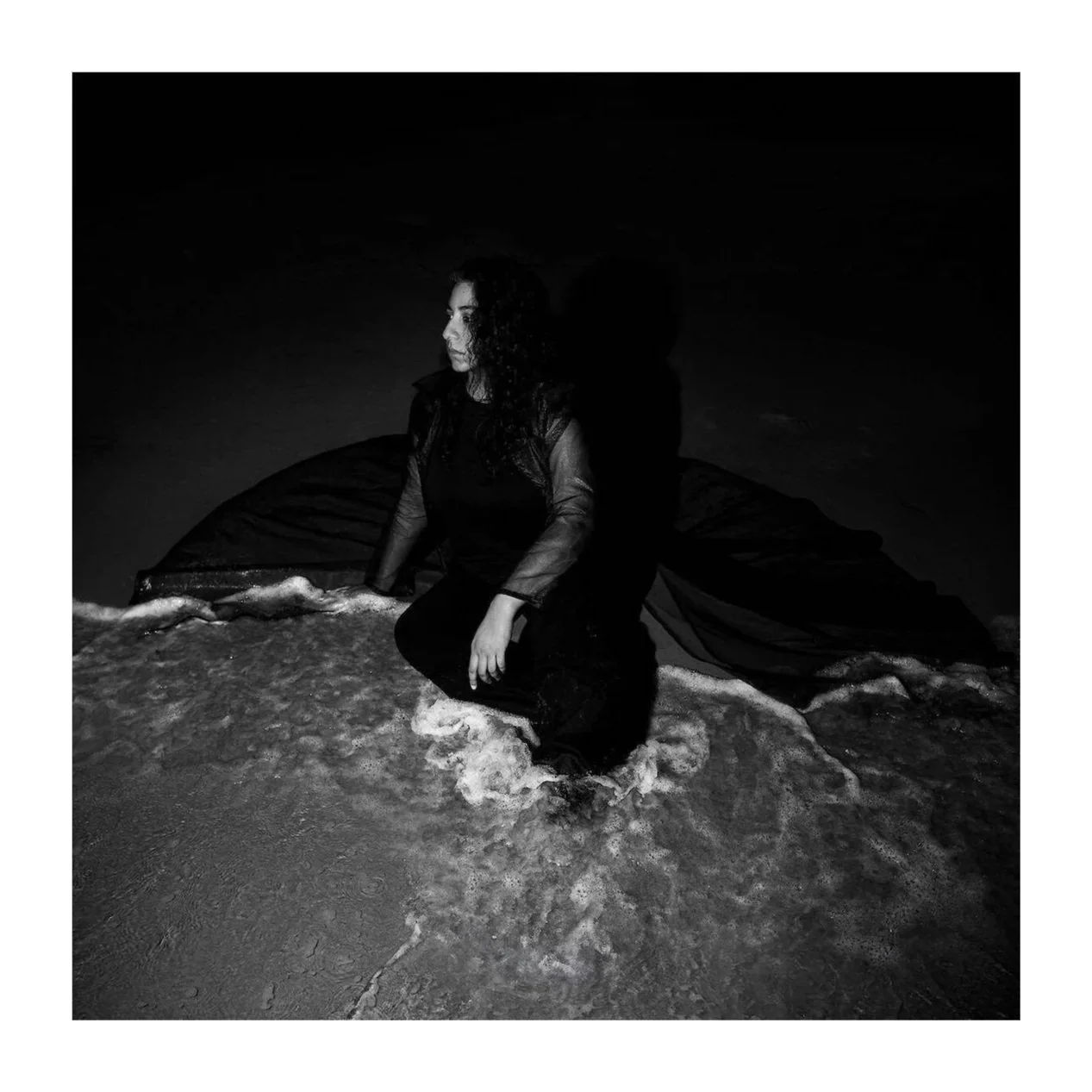
    Night Reign is the fourth studio album by Pakistani-American singer Arooj Aftab, released in 2024. It features collaborations with several artists from the jazz scene, including harpist Maeve Gilchrist, vocalist Moor Mother, and keyboardist James Francies.

    The album works like a shadow play: it reveals the gentle side of darkness and invites the listener to surrender to it. Its subject is love in all its stages. Aftab has described her concert songs as being about the „patheticisms of love,“ a phrase that captures the album’s emotional world. Night reigns over both mood and sound, and there is comfort in that darkness, when everything grows quiet and the mind can rest enough to recognise what truly matters.

    Aftab’s voice creates the album’s soothing yet mysterious atmosphere, whether she is humming or singing with greater insistence. She sings in both Urdu, her mother tongue, and English, letting the songs move between intimacy and distance, clarity and mystery.

    She often draws on poetry, as in „Na Gul“ and „Saaqi,“ which use the work of Mah Laqa Bai Chanda, an eighteenth-century Urdu poet regarded as the first woman in South Asia to publish a collection of Urdu poetry. Dreamily, Aftab sings of a love that looks past the obvious beauty of the physical world. Her tone carries yearning and unconditional devotion, heightened by the delicate, jazz-inflected interplay between her voice and the harp or piano.

    „Bolo Na“ is also based on an old Urdu love song, which Aftab reinterprets with Moor Mother and the vibraphonist Joel Ross. The original asks a romantic partner for emotional honesty; here the mood is more insistent, almost unsettling. Moor Mother speaks in a clear, urgent voice, confessing that she doesn’t feel safe in her lover’s arms and fears that this love may not be real, while Ross’s vibraphone adds a misterious shimmering in the background.

    „Autumn Leaves,“ Aftab’s reinterpretation of the classic jazz standard, captures the album’s dark, mysterious and contemplative character. James Francies adds Rhodes piano and synthesizer, giving the arragement a vibrant, dynamic touch.

    „Raat Ki Rani“ is perhaps the most dreamlike track. Piano and very soft drums gently carry the melody forward, while Aftab’s voice, lightly touched by Auto-Tune, intertwines with the swift, delicate plucking of the harp. The result is an ethereal interplay that feels both intimate and otherworldly. The lyrics capture the rush of being captivated by someone, the sensation of slowly falling under their spell.

    The album leaves you with a bittersweet sense of past loves and of the obstacles that can arise even once love has been found. Aftab shows how longing, fear and doubt can coexist with the deepest connection. It is this bittersweet quality, love that is beautiful yet tinged with sadness, that lingers long after the music has ended.


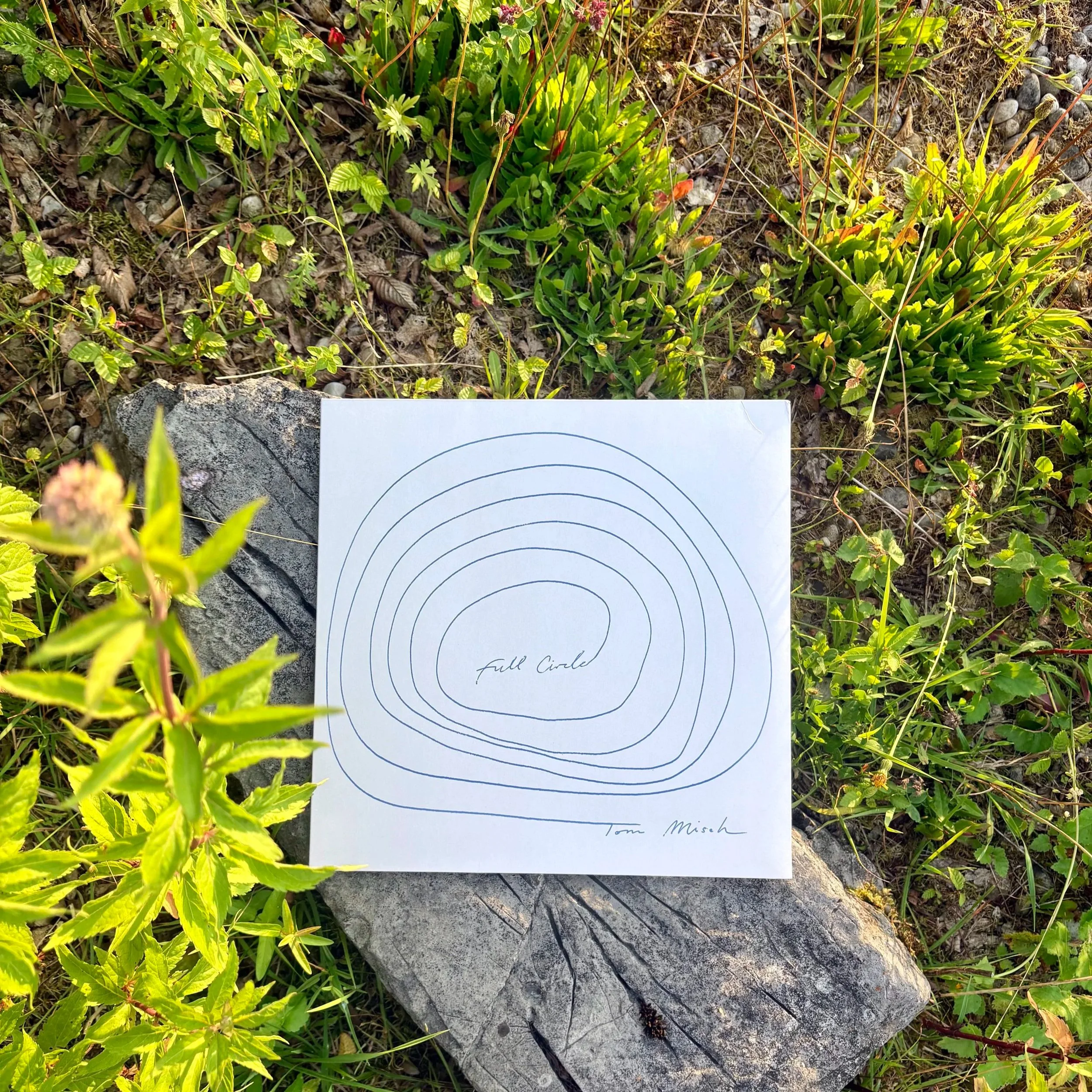
  • Tom Misch – Full Circle

    Tom Misch – Full Circle

    Music can be a way of turning your attention inward—slowing down, embracing simplicity, discovering personal truths, and eventually finding the strength to move forward again. That feeling is beautifully captured in Tom Misch’s most recent album Full Circle, released at the beginning of this year.

    The album blends mellow funk guitar, folk songwriting, and jazz sophistication through warm analog textures. Its understated sound combines smooth guitar influences from John Mayer, jazz-inspired harmonies reminiscent of Robert Glasper, and the intimate storytelling tradition of 1970s singer-songwriters such as Joni Mitchell, James Taylor, and J.J. Cale.

    The album offers a deeply personal reflection on Tom Misch’s experiences after years of success, constant touring, and growing public attention, ultimately leading to burnout. In “Running Away,” he describes a relentless race against his own limits, singing, “Every step I take, I get a little closer to the end,” hinting at the exhaustion caused by life on the road and the pressures of the music industry. His delicate fingerpicked guitar playing reinforces the song’s introspective mood, adding a quiet sense of vulnerability to the lyrics.

    “Echo From the Flames” explores the difficult period that followed, as Misch found himself overwhelmed by anxiety and the weight of public attention. Both his lyrics and expressive guitar playing convey the unsettling feeling of emotional exhaustion, capturing the vulnerability of someone trying to find solid ground after pushing himself too far.

    „I’m burning out
    Face down in the ashes
    I’m reaching up
    No one’s there to catch it“

    As if responding to his lyrics, a nervous-sounding violin joins in, echoing Misch as he repeats the word “echo.” The interaction between voice and violin feels like a vivid display of sparks, full of tension, vulnerability, and emotion.

    Tom Misch stepped away from music in 2022, feeling disconnected from his career after losing the joy of performing live. During this period, he reconnected with ordinary life, gradually regaining his strength and sense of purpose. This journey is reflected in songs such as “Sisters With Me.” After moving back in with his family in southeast London, Misch celebrates the importance of his relationship with his sisters in a way that feels honest and deeply endearing. The warmth and authenticity of the song make it immediately relatable.

    During his break, Misch explored life beyond music, training as a surfing instructor in Cornwall, working gardening jobs, and becoming a barista. These experiences allowed him to gain new perspectives and develop a sense of identity beyond his career. He also travelled alone through Portugal in a camper van, an experience reflected in “Slow Tonight,” which highlights the importance of balance, simplicity, and slowing down.

    The renewed energy Misch found during this period can also be heard in tracks such as the J.J. Cale-inspired “Red Moon.” In the song, he looks to the cosmos for guidance and reassurance, searching for a sense of direction beyond himself. His stripped-back guitar playing moves effortlessly with the song’s gentle rhythm, creating an atmosphere that feels warm, comforting, and safe.

    „Sultan of Silence“ embodies the feeling of being deeply understood, where communication no longer depends on words. It speaks of someone who “knows me right down to my bones” but “never asks for any more.” The song captures the beauty of a relationship free from expectations, demands, or pressure—a quiet connection built on trust, acceptance, and simply being present for one another.

    The album’s closing track, “Days of Us,” offers perhaps its most compelling listening experience and deepest message, exploring the bittersweet realisation of a changing relationship. Kaidi Akinnibi’s saxophone playing beautifully reflects this mood of longing and vulnerability, adding emotional depth and fragility to the song. Misch reflects on the pain that comes with growing apart while also finding peace in accepting it. Rather than clinging to what once was, the song suggests that acceptance can become a quiet form of healing, bringing the album’s themes of reflection, vulnerability, and renewal to a deeply moving conclusion.

    With all of this in mind, the album’s opening track, “Flower in Bloom,” contains perhaps its most important message: the realization that life cannot be rushed, and that we all move through cycles of growth—periods of stillness that naturally give way to renewed creative energy. Like flowers in bloom, we are constantly changing, growing, and returning to ourselves in our own time.

  • Ibeyi – Ash

    Ibeyi – Ash

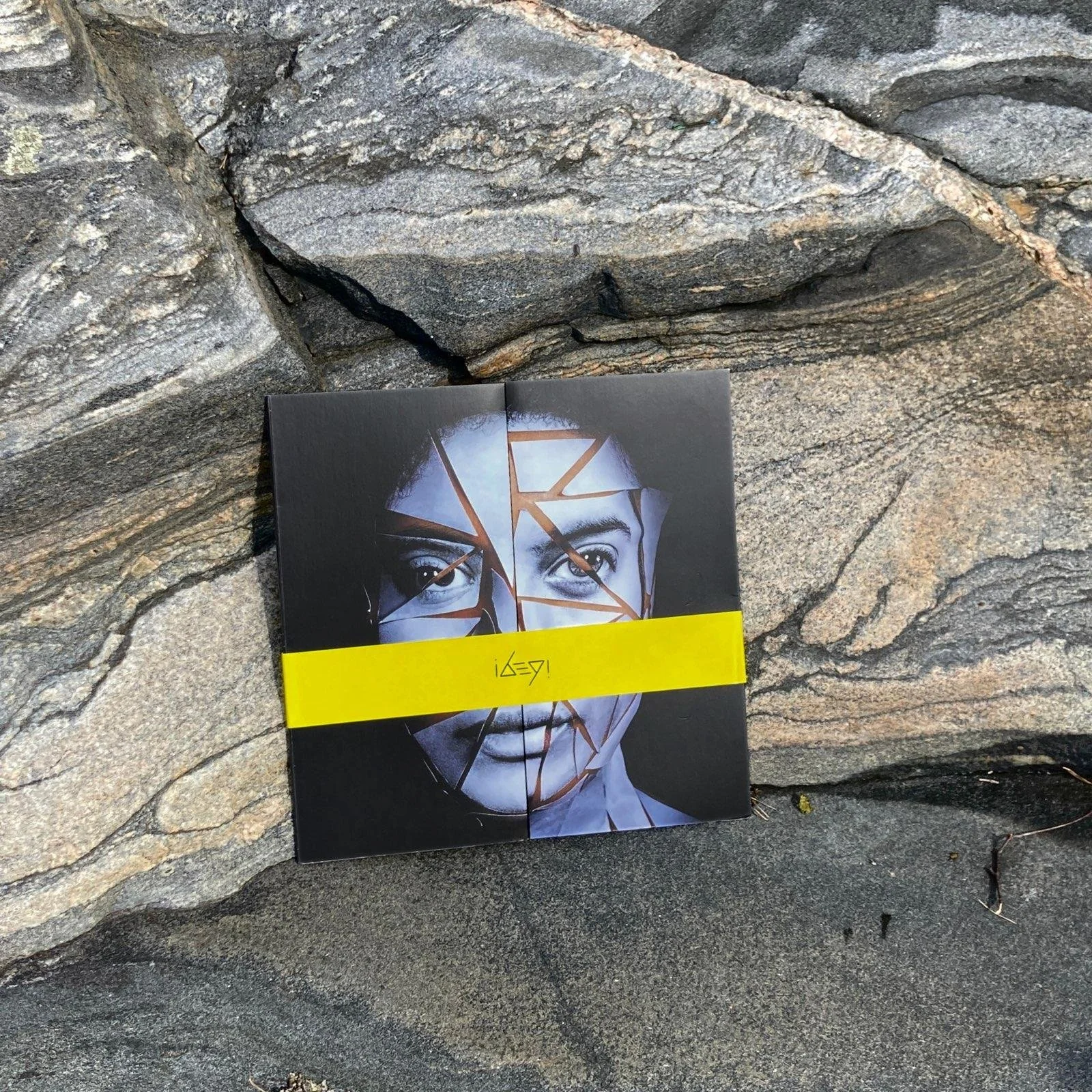
    In the west-african culture Yoruba “Ibeyi” is the expression for the divine spirit shared between twins. In this case you are looking at the twins, Lisa and Naomi Diaz, who have shared their entire life with each other and experienced similar events.

    You can sense the togetherness of the twins, however, they both have their own character. They see themselves as complete opposite: Lisa describes her sister Naomi as being more impulsive, sensitive and proactive like a fighter, whereas Lisa is more calm and reflective, however tends to overthink. Those two different characters go very well together, when you look at their continuous success since 2015. Transferring this into their musical approach, both women have their own domain: “I [Lisa] do the skeleton and she [Naomi] gives it the flesh and the skin”- meaning Lisa is in charge of the melody, piano parts and the lyrics, Naomis‘ domain lies within the production and rhythm.

    At the age of 11, soon after the death of their father, Miguel “Angá” Diaz, who was one of the most famous Latin jazz artist playing the conguero in the Buena Vista Social Club, the twins started to pick up his musical heritage. Lisa wrote lyrics and Naomi took over their dads favourite instrument, the Cajòn. They got taught about traditional songs of the west-african culture Yoruba, which their mothers‘ family side inherited. Yoruba-Folk was soon to be one of the main musical essences, that they blended with downtempo electro-soul, hip-hop and contemporary jazz – the mixture which Ibeyi is well known for.

    “We grew up in a family that is half white, half black, and we think that’s perfectly fine. Even as children, we had access to very different cultures: Yoruba, French, European. That shaped us, and we wanted to pass on this tolerant view of the world with our album.“

    While their first album was focusing on personal grief, overcoming the death of their father and sister, Ash is themed upon political world affairs. It is 2017, when the Diaz twins publish their 2nd LP – the time when the political situation seems to overheat itself. “We feel like the world is on fire and we are all like ash – hence the album title.” The corresponding theme song “Ash” was the first track they came up with and from that first idea, it opened up the doors for all the other songs.


    The albums’s theme opens up with the intro “I carried this for years”, where Lisa and Noami show their sorrow and ongoing burden they have carried around with them, though with the album they will be able to process their sorrow. “Away away” picks up the motive behind “Ash” (as discussed above): a girl looks out her window at a world collapsing, with the future ahead to be exposed to the “fate of flames”, but then finds strength as she begins to sing, which proves to be the sisters‘ way to cope with all the problems facing.

    The strongest, most insistingly political message comes across in “No man is big enough for my arms”. You hear the lines of a speech by Michelle Obama delivered in 2016, shortly after an audio recording was leaked. It contained the presidential candidate Donald Trump, in which he defined his personal patronising image of women to his colleague Billy Bush. She holds against his disrespectfulness with her most urgent catchphrase of her speech: „The measure of any society is how it treats it’s women and girls“. This sequence repeats itself over and over again like a important warning.

    Ibeyi joins in Michelle Obama’s shock, loudly chanting: “No man / No man is big enough for my arms”. It sounds like a liberation strike against men oppressing women. As irritating the matter referred to is, the stronger and empowering their appeal comes forth: “The piece is meant to encourage women to stand up for themselves, to be ambitious, to be self-sufficient. It is a song written by women for women.“

    A second, yet equally important message, displays the track “Deathless”. It tells the story of Lisa, who had been held up by a policemen when she was 16. She was accused of doing something illegal and examined allegedly only because of the colour of her skin. When processing Lisas story into a song it appeared to come across as a hymn addressing everyone. It creates a sense of hopefulness and feeling strong. For the recording of “Deathless” the twins gathered friends and family to form a big choir to chant the words “We are deathless” as insistingly as possible.

    Despite their sorrow and frustration that the world is far away from meeting the sisters‘ idealism, Lisas and Naomis encouraging, soothing singing convinces us to stay positive and solidary to each other. They themselves are supportive and solidary to their listeners and each other. Through their music they seemed to have found a way in which they can display their sisterly bond, overcoming their grief and anger through spiritual and empowering singing.

  • Monster Rally – Flowering Jungle

    Monster Rally – Flowering Jungle

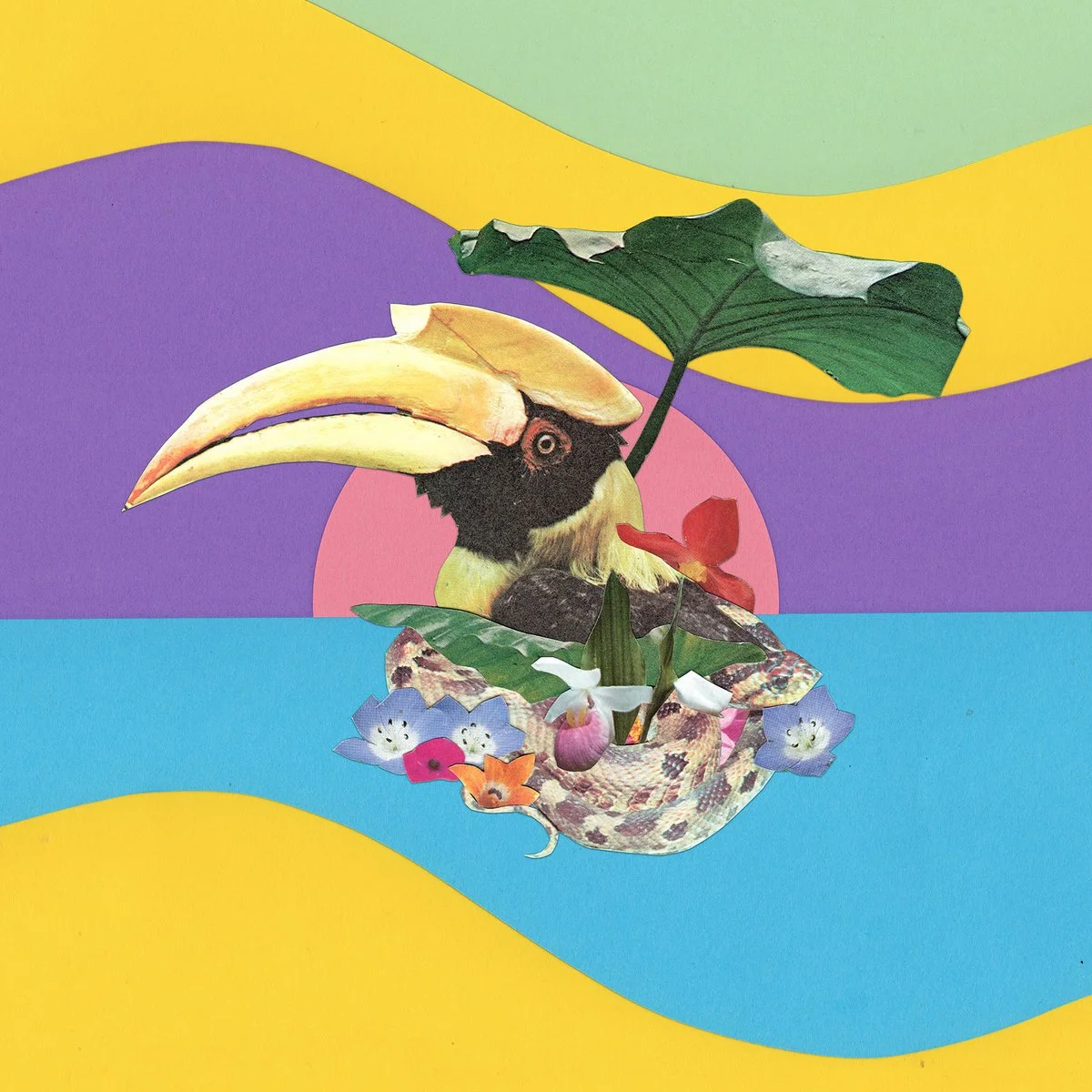
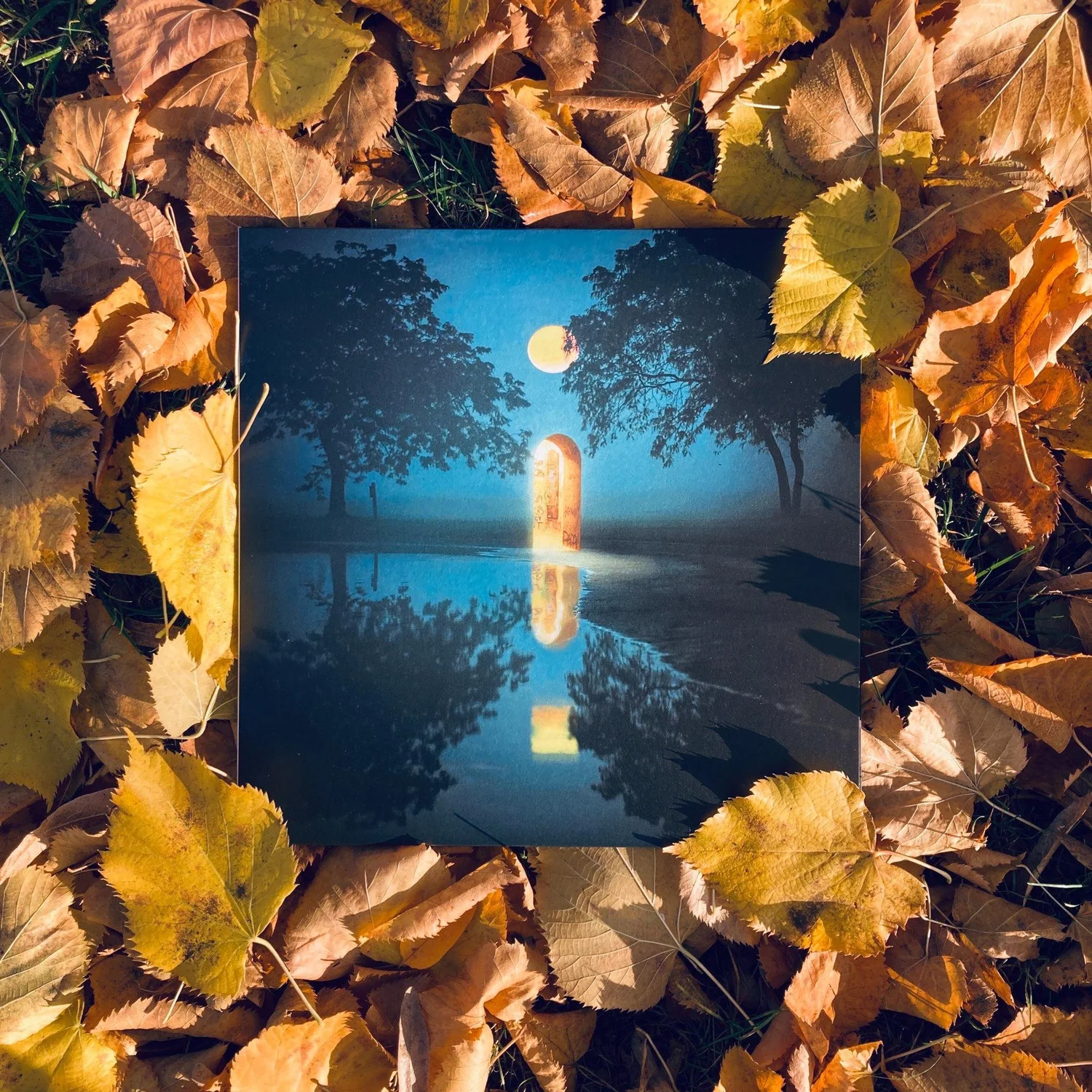
    Artwork Flowering Jungle

    „I want to be tropical Madlib” was Ted Feighan objective when he started his solo-project Monster Rally, tapping into the genre exotica. Having played as part of a screamo band called Driver Side Impact in Cleveland, Feighan’s sudden change of style to exotica music constituted a 180 degree turn. Exotica originated in the 1950s in the USA as a crossover of Brazilian/Latin American influenced jazz in the combination of intercultural music using instruments and musical elements from various preferably tropical, musical cultures.


    Originally, Feighan’s dream was for his band to succeed and become famous. A record deal was signed quickly and the band was soon able to go on tour. His dream became true. But ironically, when he actually lived his dream it turned out he hated this lifestyle. Having lived in L.A., he decided to move back to Cleveland after eight years, and quit the band. Back home, he was able to escape from his former life by creating music with jungle and tropical samples combined with an authentic vinyl texture, first steps towards forming out the identity and style of his solo project as Monster Rally. The sampling technique he sues originates from hip-hop, which becomes audible in the tracks „Toucans“ and „Tideline” of the selected record Flowering Jungle. Through picking out specific sequences of old records, musical collages are being developed. Feighan draws pictures full of bright colors and sun-soaked scenarios. You can identify the texture of the original vinyl, which complements each track with a denser profile and vintage flair.


    Beside his musical work, Feighan also works with art collages, for instance for the cover art of his records. „I’m working on both of them [collages and music] at the same time“, he explains in an interview with Mean Magazine. As well as the vinyl he discovers the collage material in many different places. In his own words „[Flowering Jungle’s] artwork mirrors this concept by featuring portraits of jungle birds in flower-adorned ’nests‘ overtop an abstracted flag of The Flowering Jungle.“

    Listening to Flowering Jungle, which was released in 2017, I can comprehend Feighan’s musical approach in imagining a peaceful getaway.


    „[Exoctica music was] a way to escape the grey and the anxiety and stress. I could just dive into these places and landscapes on the tropical records, and be somewhere different.”


    Thus, take „Niñas De La selva” as an example: Feighan uses a bouzouki guitar that becomes the essence of the track while a dreamy rhythm is put on repeat. One is invited to an imaginary world, where you can drift away free of any sorrows. Or you might get drawn-in to wanting to hit the dance-floor and swing to „Giant Leaves’” upbeat and sunny melody. One the one hand the sound is very chilled through a casual hip-hop sound aesthetic that emerges through loose drumming samples. On the other side the track is lighthearted through a loose piano sample. Feighan…


    „But it’s not so much about being in these places, it’s more about the fantasized idea of them. Even places that aren’t real. These days, everywhere has been discovered and people know about it. But what’s cool about these exotica records is that, when they first came out, this was how people learned about Hawaii and Polynesia. There was a mystique to them. They make you think about what a place might be, and that’s where the music takes you.”


    Follwing a similar approach to Feighan’s idol Madlib, who is seen to be the biggest crate digger across all genres, he is a passionate record collector, too, and buys more than he has time to listen to. He likes to dig through exotica records mainly from the 60’s and 70’s. His soft spot is finding records of different genres in order to find new forms of sonic aesthetics that have a previously unknown craziness for him. Then again, he sometimes gets drawn by the cover art of a record. In the end he loves the surprise what kind of music will await for him behind a cover art. Considering his humongous pile of records he buys to create a new album, it appears to be challenging to make his way through the material. „That’s one of the hardest things, cutting the music.”, he admits. „I have to trim it down to what carries the narrative.”


    Indeed, the album’s sound tends to repeat itself as all tracks normally follow the same pattern, so one might it find shallow: he cuts the samples, integrates them together and lets them spin and repeat themselves until the finish of the tracks. However, that is what might be necessary to brighten up your mind and to get that holiday feeling going: sunny melodies and easy-going beats to create some easiness through sonic light of the pictural sounds that Monster Rally creates. You can wander off with your thoughts because it does not matter as you do not have to accomplish anything at all whilst being on vacation.

  • Sudan Archives – Athena

    Sudan Archives – Athena

    Artwork Athena

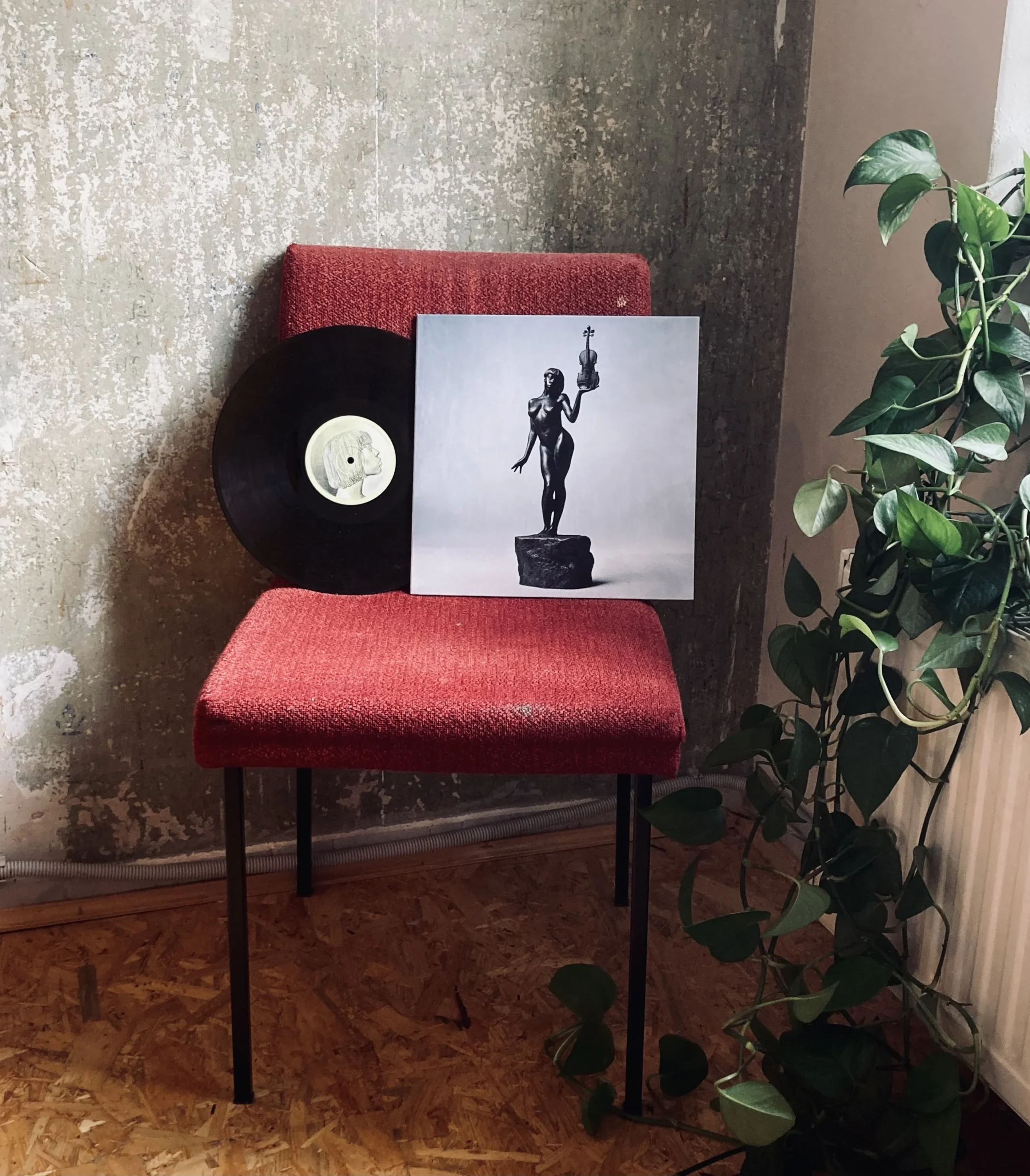
    Gracefully Sudan Archives herself is depicted on her artwork for the album of the same name as the ancient Greek goddess Athena – as a dark shiny statue. In the Greek mythology Athena is the patron of wisdom, strategy, battle, art and crafts. With an undercut and a fringe Sudan Archives confers her own interpretation of her being the goddess of a modern touch. In addition, as Athena, she is also holding up a violin. By the image thus created one can sense what character the musical content will have – a charming R&B voice that meanders around the music, sticking close to the violin’s spirit. As her artist’s name gives away, her music is inspired by Sudanese folk music, however the rhythmical layout alternates between West African rhythms and Hip-Hop-beats.


    Going deeper into the album’s subject matter, its title „Athena“ also alludes to the book „Black Athena“ by the British scholar Martin Bernal, in which he criticizes the extensive concealment of Egyptian and Phoenician influence on Greek antiquity – and thus on Western culture as a whole. Consequently, the covering-up of particular ideas takes center stage in the lyrics, alongside with her identity as a black woman living in the United States.

    Sudan Archives, alias Brittney Parks, was born in Cincinnati and is currently based in LA. Her stage-name consists on the one hand of the country of her birth, Sudan, on the other hand Archives which is a reference to her fondness for crate-digging. While she absorbed discovering new music, she also taught herself playing the violin in her childhood.

    In order to describe her story and identity, she moves back and forth among a variety of attitudes – elegance, confidence, optimism and despondency.

    The track „Confession” shows her deponent side as she shares her exhausting experience of not fully knowing where she really belongs to. Though, once the confession is made, it seems like Sudan Archives rises above her struggles – likewise does her violin by playing swingfully along:

    There is a place that I call home
    But it’s not where I am welcome
    And if I saw all the angels
    Why is my presence so painful?

    Confessions are falling down
    Down
    Down
    They soak up the dark, damp ground

    From those sad moments, she moves on displaying confidence and optimism in a very strong fashion in „Down On Me”. The strings in it sound as if they try to respond to Archives melancholic voice. In the background you hear the plugging sound of the violin giving steady support. The interplay of her singing and the violin flourish together.


    Musically, the trademark of her own sound is the merging of multiple styles into one. Each of her tracks features Sudanese influences as performed by her on the violin. Throughout the album Sudan Archive’s violin will play along with a variety of different musical styles. In „Did You Know” tender plugging her instrument meets classical European string play and a 70s keyboard. „Iceland Moss” infuses R&B, trip-hop and dreampop with Sudan Archives dreamingly completing the arrangement.

    Another highlight and sudden twist is audible in „Glorious”: a surprising mix of Celtic fiddling and upbeat percussions get teared around with a feature by the rapper D-Eight.


    Considering the different styles and genres Sudan Archives integrated in Athena, I conclude that it must have been a challenging task to attain coherence and harmony within the record. There is no doubt that Sudan Archives is a very talented artist after listening to this record. You can notice that her violin has lbeen a long companion to her as it sounds quite naturally them playing together.

  • Randy Newman – Lonely At The Top

    Randy Newman – Lonely At The Top

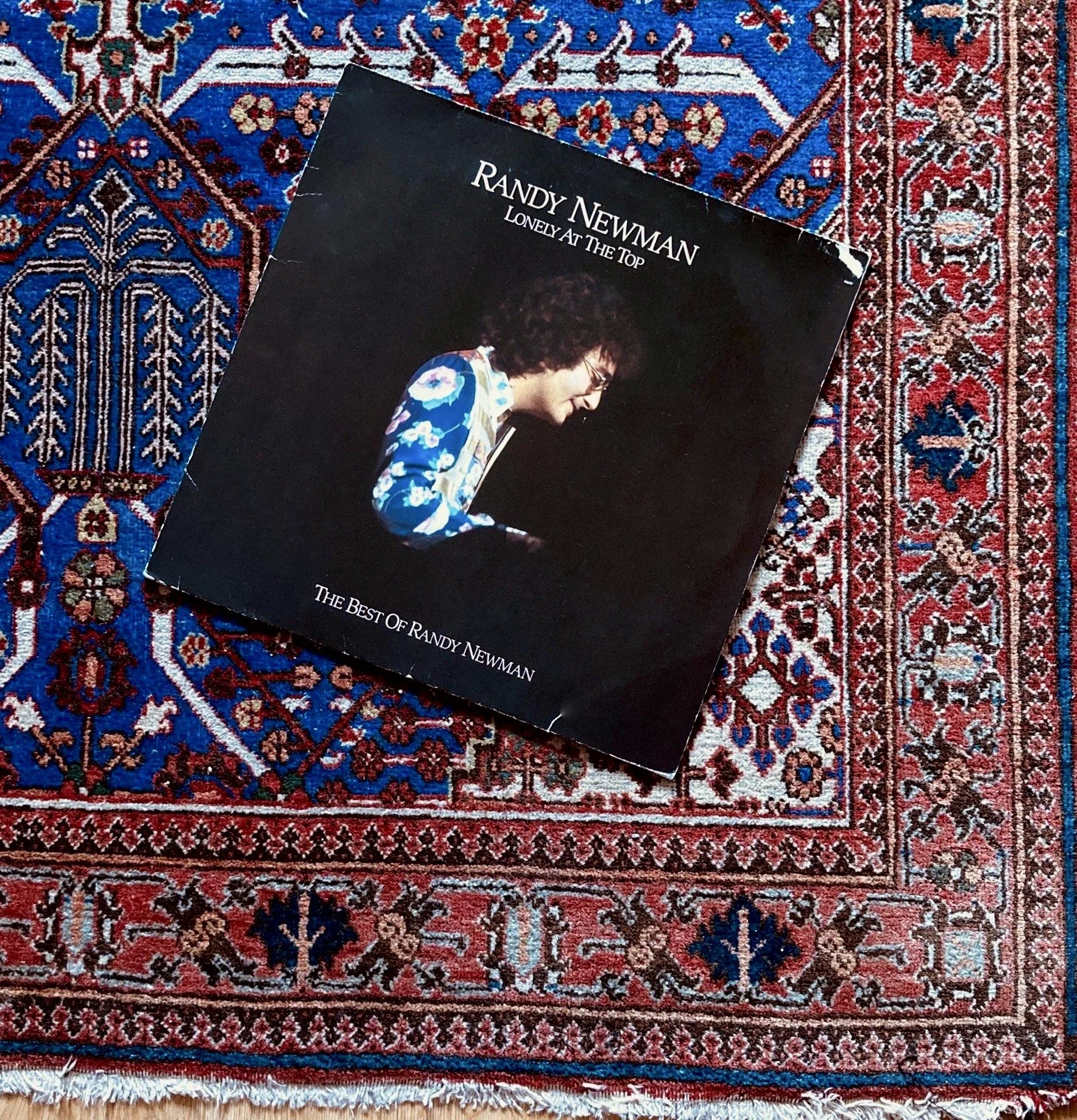
    Writing about this music I am going down memory lane. The songs of the compilation Lonely At The Top by Randy Newman is the first music I remember perceiving. The LP is a compilation of Newman’s ‘best’ tracks ranging from 1968 until 1983. In this span of time he released 6 albums in total. Each of the records is focused on a particular topic and displays a dense set of issues that Newman addresses. Indeed, each of the record would deserve its own review to actually be able to cover the content, however I chose the compilation in particular, as I grew up with it and know it the best out of his records.

    As a child it was very exciting for me to discover sounds which previously I was unfamiliar with – even now, I can still relate to the musical perception I had as a child, and I still love to listen to Newman’s music. Considering I was born after Randy Newman composed his music its timelessness stands out above all. It is not only his melodies and musical arrangements that underline why one can ongoingly listen to it. Also, his complex lyrics still prove to be relevant to current topics. His focus lies on the American culture, history, people and its idea of “the American dream” in relevance to climate change, police brutality, veiled racism or machismo.


    Randy Newman likes to be extreme: extreme in the descriptions he finds worth criticizing; extreme in the use of satirical implementation and dark humor.

    For each of the topics he deals with through his music, Newman takes on the reality of the person he scrutinizes, and tells their stories. He creates some kind of lyrical impressionism, painting pictures or portraits of people to lay out their perspectives. Thus, enabling the listener as an outsider to this perspective to be able make sense of their reality. However, this also shines a light on the insanity of some of the questionable views and moral attitudes that (still) exist in the US American society.


    His cynical thoughts about “the American Dream” are best shown in „Sail Away”- a dream of a promised land as it might have been presented to black Africans during slavery. He writes from the view of a slave trader, who uses the American dream create an incentive.

    In America every man is free
    To take care of his home and his family
    You’ll be as happy as a monkey in a monkey tree
    You’re all gonna be an American
    Sail Away — Sail Away
    We will cross the mighty ocean into Charleston Bay

    Outspokenly in „Foreign Sience” he also criticizes foreign policies of the 70s at the time. An unknown narrator suggests to “drop the big one and see what happens”, highlighting chauvinistic mentalities against other countries.


    Asia’s crowded and Europe’s too old
    Africa is far too hot and Canada’s too cold
    And South America stole our name
    Let’s drop the big one
    There’ll be no one left to blame us

     Another big topic in his songs is racism which he brings out by portraying views long held in  the south of the US and their unreflective and glorifying hometown pride, for instance heard in the tracks „Birmingham” or „Louisiana 1927”.


    Such harsh and straight statements normally do not get away with any outrage of the accused: Even though his exaggerations, who were not at all subtle and suggest him being sarcastic, Newman often got misunderstood and taken at face value.

    Especially the song „Short People”, was misinterpreted by many of his listeners. As obviously exaggerated, he talks about short people, he denounces racism and narrow-mindedness:

    Short people got no reason
    To live They got little hands
    And little eyes
    And they walk around
    Tellin‘ great big lies

    „I have real respect for the intelligence of the audience”, Randy Newman said to the Guardian in an interview to make them think out of the box with his irony. „Ambiguity interests me because things aren’t black and white. I’ve always hated people who were sure they were right, on either side. I have to take sides, though. In a song like ‘My Life is Good’ I want people to notice that the guy is an asshole.” -And sure, the guys stubbornness and self-conviction comes across very clear, trying to impose how well everything is going for him by almost streaming loudly at the listener.


    As defiantly as Newman’s lyrics are, the musical arrangement also support the critic it supposed to deliver. So, the instruments in „Short People” play choppily as if they won’t listen and will stuck to their way no matter what. To highlight the glorification of hometown pride he uses pompus, orchestral arrangements to create a romanticizing feeling such as in „Baltimore“ or „Sail Away“. You could transfer this musical observation of his technique to any of his songs. He always finds the right tone of music to create a particular mood. Concerning the people he sings about, he finds the fitting melody or instruments to be able to highlight their characteristics and attitudes to make it as authentic for the listener.


    Being able to have the comparison of my child’s ears, Randy Newman’s music can get discovered through different approaches: Either, like a child, being overblown by the music, its orchestral sound, that tends to change its mood swings, which was so exciting to follow along. Then, which was not possible to capture as I child, you can focus on the wide range of topics, analysis and facts, which enables you to find out a lot of information, as authentic, informative but still entertaining at the same time.


    listen to the album

  • Faber (Berlin) – Loophole LP

    Faber (Berlin) – Loophole LP

    Artwork Loophole LP

    The cooling-down moment of a long and intense night, full of dancing, laughter, smiles and beautiful music: Amazed by everything you have experienced, you find yourself having to process the night…it is also the after-hour-time: the period when you might want to listen to music that lifts you up during that state of blues after a great party. This brings me to Faber’s release from October 2020 Loophole LP. Lying in the downtempo spectrum with about 83-90 bpm (beats per minute) it is as chilled as it can get.

    Faber’s music perfectly picks me up in that moment of nostalgia. By listening to his music, I see myself in a big crowd processing a magical night and the moment I have just lived through. He makes us to sway together and have this great unifying romantic feeling on a dancefloor.

    The record itself was the outcome of a live-set played specifically during the after-hour period, at Bucht der Träumer-Festival 2019. Back then, most of the people of the viennese collective Heimlich Musik were present at his live performance. They must have found themselves in that magical moment, too, because soon after Faber was asked to send over some of his demos, which ultimately led into the offer to release a full-length album on their label of his music.

    Throughout the course of the Loophole, one can notice how Faber strives to lead us into different states of mind. Initially, he upholds a kind of soothing inertia with the first two tracks „Wind” and „Take Away”. Then the mood changes in the subsequent tracks „Wait “and „Lullabies” into something more driven and beautiful, with a dark twist created by dynamic downtempo arrangements and the vocal loops, sung by Faber himself. The sound-aesthetic has a magnetizing effect. I get more and more pulled into the sound – virtually disappearing into a ‘Loophole’ of music, as the name of the album might suggest.

    Finishing up with „Don’t”, the finale marks up the most important moment of an after-hour-session: the unification of the listening crowd for one last time. With the use of a song that catches everyone emotionally, in order to send them off into the morning and carry along the good memories that just had been made: like a dream growing in its magic and mysticism, which „Don’t” certainly creates.

  • Khruangbin – Mordechai

    Khruangbin – Mordechai

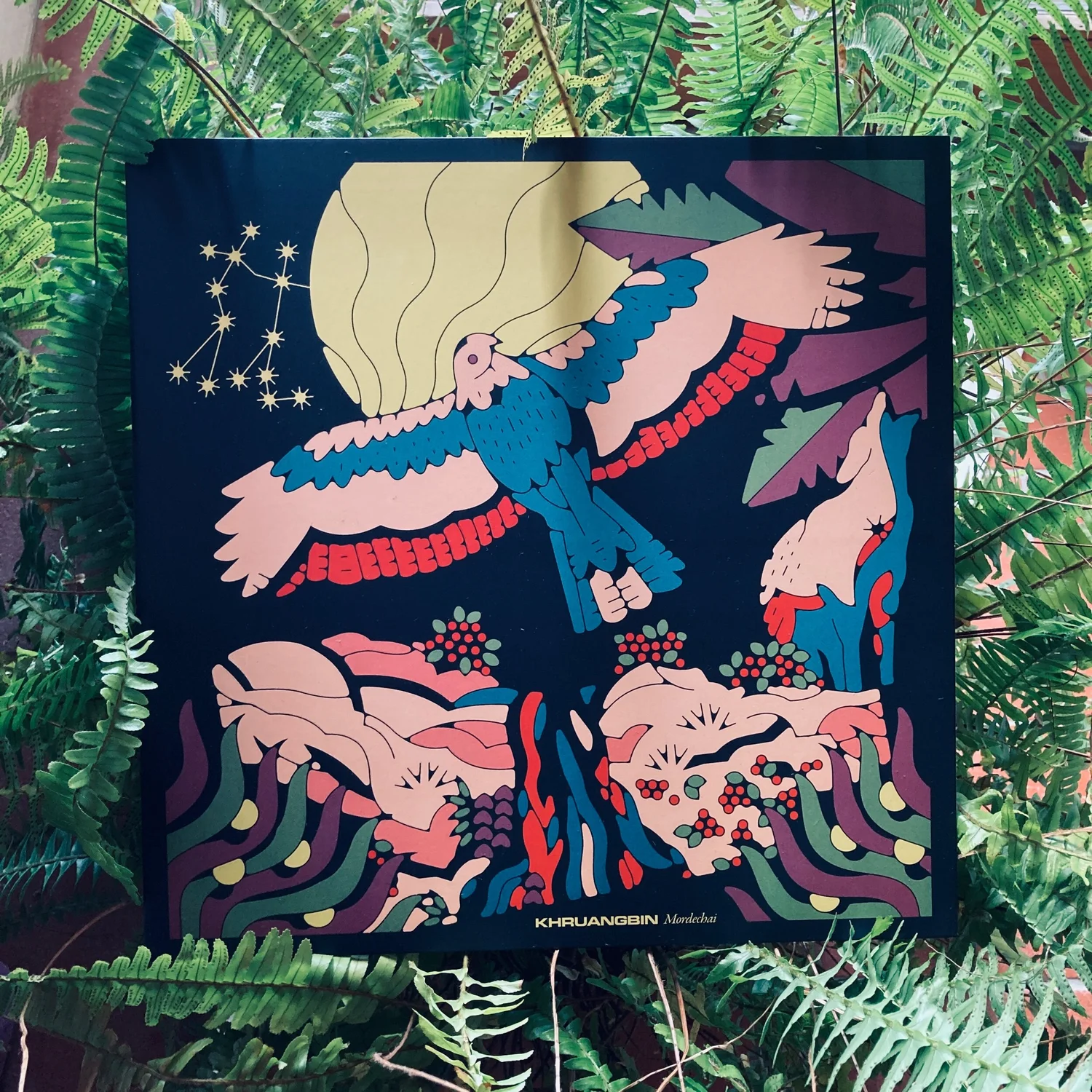
    Kruangbins latest LP Mordechai, published in 2020, follows Khuangbins trademark sounds. This time however, the three of the band have decided to add more vocals than usually. While previous LPs consisted of merely humming or a few words, with the aim to round off arrangements, the vocals come far more to the foreground and all of the band members take on vocal sequences. This unusual way of having the vocals dominating can be heard in „Time (You and I)” and „Pelota” – two tracks which definitely have the effect in getting stuck in your head but there is no doubt one would not assign the sound to Khruangbin. Over the past years Khruangbin has immensely widened their audience all over the world- thus they also try to be able to connect to their listeners through vocals in order to be able to sing together that equalizes everyone when they perform.

    Nonetheless they still show their eager to share tunes from all over the world by integrating them into their music. Having Mark Speer as the one who has always been digging deep through all kinds of genres spread all over the world, he wants to integrate his expertise and continual interest in finding undiscovered music combining them with thai funk and psychedelic jazz into their music.

    Moreover they have added some dubby tracks this time such as „One to Remember”. This track is a dub version of „So We Won’t Forget” which follows up later as if it is supposed to launch the ‘full version’. So „One to Remeber” displays yet again Mordechai’s sound aesthetic: Khruangbins poetically sounding guitar and bass line and a light-hearted vocal line.


    read the review on Con Todo El Mundo and The Universe Smiles Upon You


  • Kleintierschaukel – D-Tales

    Kleintierschaukel – D-Tales

    The summery vibes of this week’s presented record, have accompanied me for over a couple summers. D-Tales was released in 2019 by Kleintierschaukel under the roof of the record label Laut & Luise, which produces mainly in Cologne but also Berlin.


    With reference to #Bummeltechno (in English: dwadly techno), it is exactly in a  state of dwad in which you best listen to this record. There is no need to rush – the album guides you to groove into the sounds with the first few tracks through some downtempo/ketapop. The tracks carry bass-heavy hip-hopy beats and catchy melodies. „Paradize”, for example, immediately picked me up also owing to the featuring vocals by the two singers LaNó.


    With „Pulle Pulle feat. Chrischou“ comes forth Kleintierschaukels’ very characteristic sound interplay: dancy tech house beats, deep driven bass and the melody of a trumpet creating a kind of circus atmosphere. This style of interplay is woven through the course of all tracks, making the record sound round and harmonic.


    The sound-image of „Namonos” is the most interesting one to me, cleverly assembled by distractive beats, almost resonating murky and muffled as if you are being under water looking through clouded water but still able to spot dazzling fish.


    In my opinion the most catchy and danceful is track „Radio Crash“ featured by Christopher Schwarzwalder, who is also a renowned DJ and producer. The track builds up smoothly and immediately picks up with dancy vibes through Kleintierschaukel’s main ingredient, the strong and heavy bass and the trumpet sample in the back which slowly but surely comes to  the foreground.


    The end of the record, the D-side, complements the record with pure deep and downtempo tunes. To me the sound aesthetic of „Sunsulisas” stands out in particular: Kleintierschaukel integrates a diverse range of different sound elements underlaid by a strong and dominant bass: you will hear a calm kalimba in the main melody, accompanied by drumming and bird like sounds as if one is standing in a hazy tropical forest full of concealed creatures.


    As the name of the record suggests, D-Tales opens up a magical, unknown world with its peculiar creatures and stories which lead the listeners on a curious adventure. Or to put it into other words: ‘bummeln’, respectively dawdling through the sounds of Kleintierschaukel.

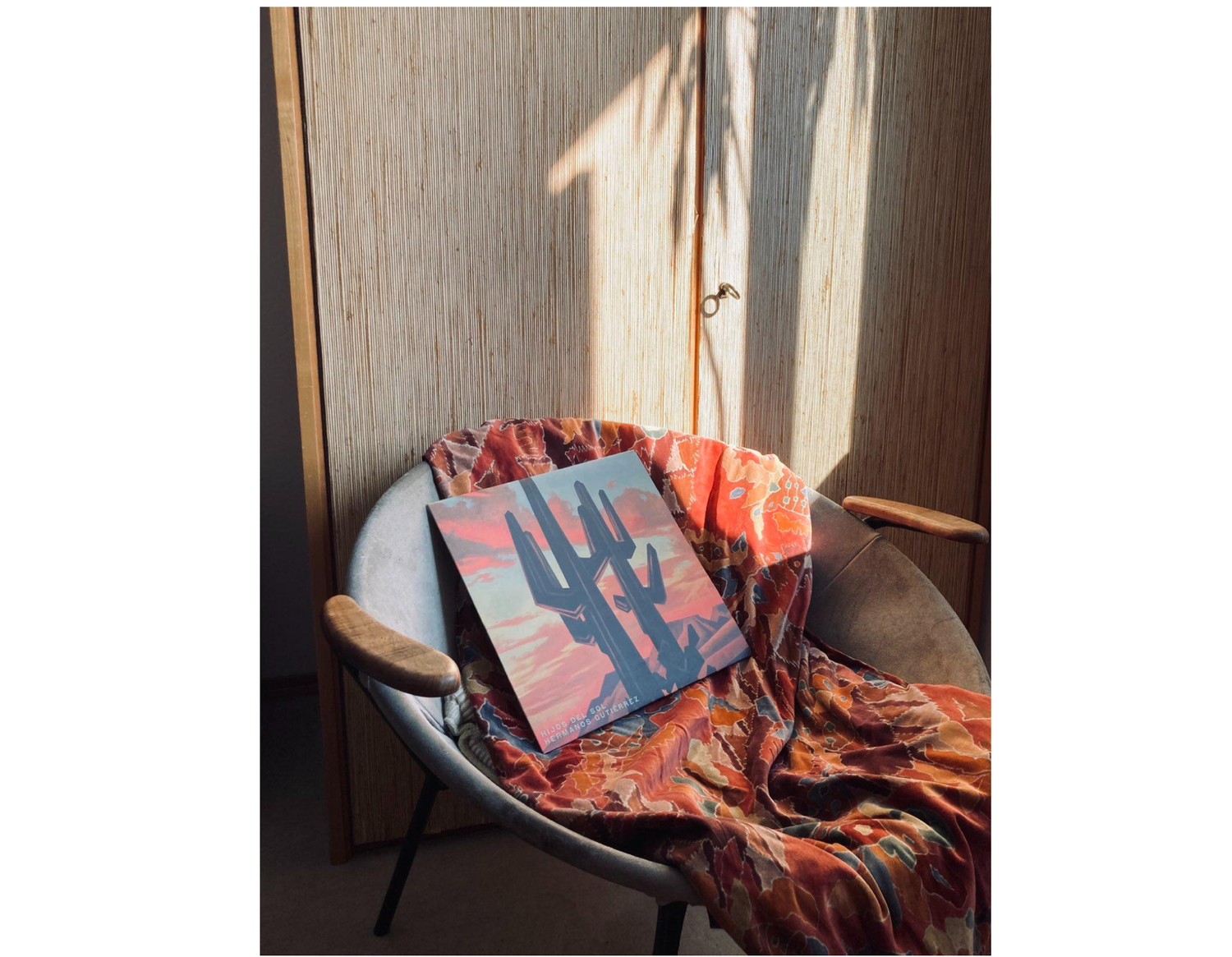
  • Hermanos Gutiérrez – Hijos Del Sol

    Hermanos Gutiérrez – Hijos Del Sol

    artwork Hijos Del Sol

    artwork Hijos Del Sol

    A record that is perfectly suitable for the relaxing season of summertime, during which I tend to enjoy tranquility and the merit of not being concerned with daily business.

    The simple and unagitated melodies of Los Hijos Del Sol – Spanish for ‘‘the brothers of the sun’’ – are composed and performed by two brothers Alejandro and Stephan. The two Ecuadorians have embedded their personal musical roots which lie in Latin American music in Western-Country Music into their art.


    Being brothers, a lifetime relationship resulted in finding their own communication through their guitars, a communication that comes across as really gentle, intimate and perceptive. For instance when their guitars respond to each other at the suitable moment: when one of the two is in need for support, the other joins in to complement the melody. The two tracks Recuerdos and Hijos Del Sol perfectly showcase the dynamics between the brothers very well.

    Alejandro and Stephan open up sceneries of hot and arid weather, deserted land and the comforting feeling of being surrounded from solitude to their listeners. For instance, I visualize the tunes of Nuevo Mundo visualizes a scenery of dry, remote land where one is not able to see the end, as the track opens a vast expanse. Out of every song, a special landscape will emerge through one’s imagination setting off a feeling of melancholy and easiness.