Kategorie: Uncategorized

  • Robin Dey

    Robin Dey

    IMG_3264.jpeg

    Robin Dey, a Berlin based DJ and member of the Collective “Circle and Stones”, focuses on downtempo and deep house. His sets have a wonderful structure and subtle sound. I have been to his gigs several times and even travelled to Berlin as wells as Leipzig for the mere purpose of attending his live performances. In Leipzig he performed at a club opener, which is sadly closed already due to rental issues. Together with his b2b Barnabass (for some quality space techno) they performed at prime time 4.00 am. The whole crowd was instantly hooked, as they created a magnetising atmosphere,you could really let yourself fall into the sound. While writing this and getting this vivid moment back into memory, it is, as so often in those extraordinary times, distressing not being able to experience the sense of community standing in a crowd of people, all dancing and fully being dedicated to the sound. However that’s why I was so delighted being able to compensate this need through the numerous live streams artists recently made available; even though it is not comparable, neither for the listener nor the artists, not being able to properly take in their work through all senses. Thus, I recommend this video of Robin Dey’s set, which was streamed in May at Klunkerkranich in Berlin. For the ones in a rush: Minute 7.30 until 11.40 for a glimps into one of his great turns.

  • Ela Minus – acts of rebellion

    Ela Minus – acts of rebellion

    photo_2021-02-08 16.13.00 3.jpeg

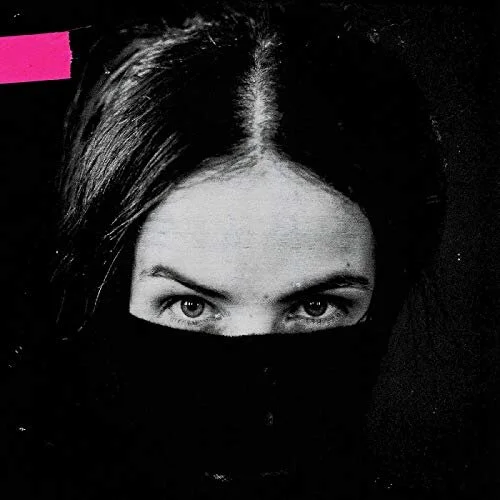
    A deep sigh is what you hear first on Ela Minus‘ debut album acts of rebellion– as if she breaths out of relief. The track is titled N19 5NF. These numbers are the coordinates of the Whittington Hospital in London, where Ela Minus (born as Gabriela Jimeno in Bogotà, Colombia) almost lost her life. The sound of the breath symbolises her awakening and the start of a new beginning. The minute she has escaped from death sounds like molecules floating around like restorative energy, helping her to recover. Her fight against death is her first rebellious act she points out. As the album title suggest the importance of rebelling is the recurrent theme throughout it, unveiled by her personal rebellious actions: against authorities, dominant men of past relationships and most importantly against capitalism and colonialism, which have had a huge effect on her motherland Colombia for decades. Thus, her belief in the necessity of acting rebellious towards corrupt political systems is Ela’s main message. She claims that anyone who grew up in Colombia like her, having to endure all the conflicts between rebels and the regime, the drug-war, gets automatically politicised. However, she thinks that rebellions can constitute themselves in many daily acts, no matter how small they are, as resistance grows from everyday practice.

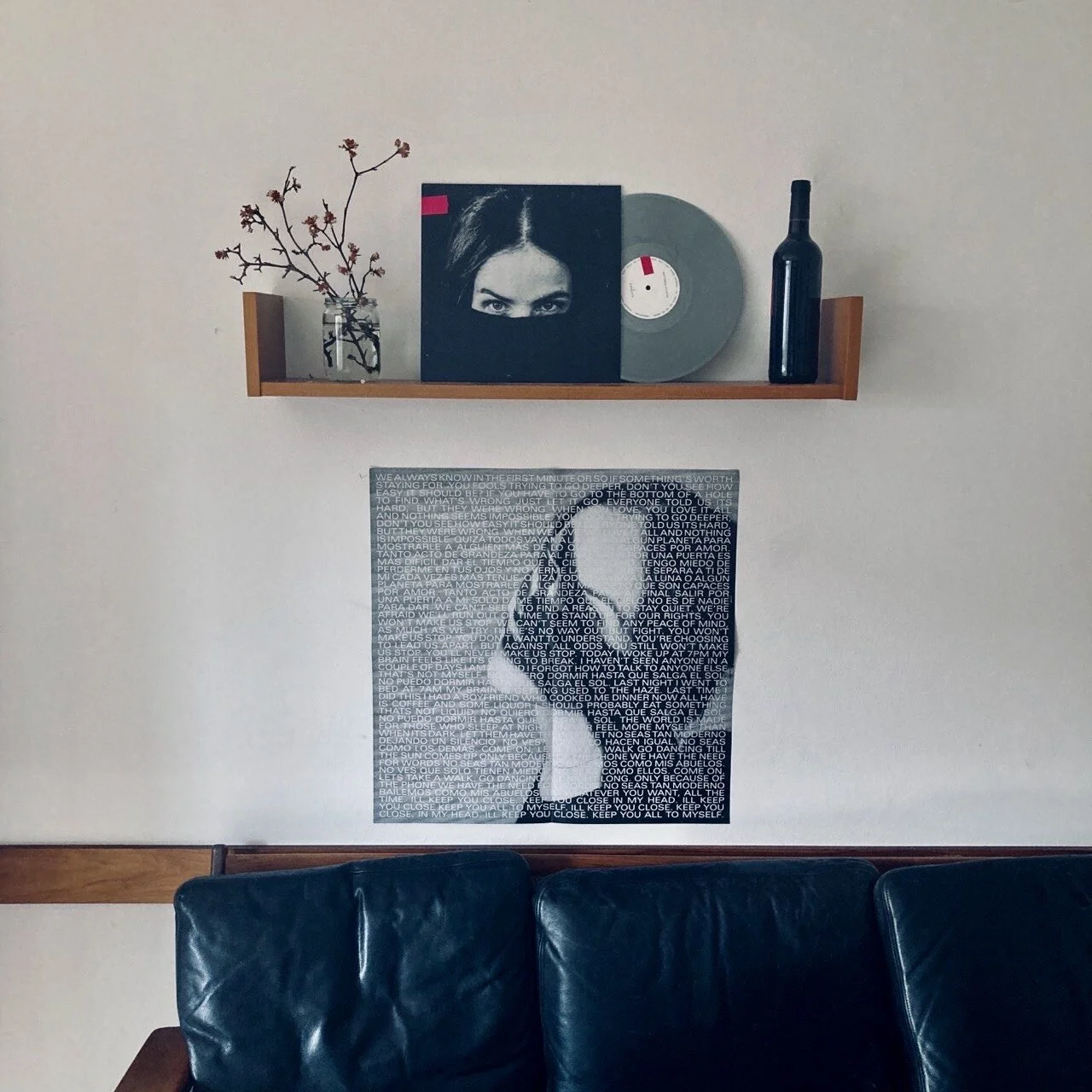
    The track they told us it was hard, but they were wrong is one of the musical highlights in the album by which I was captivated immediately. She signs her lyrics in a choppy, robotic, almost paralysed style passing on these insights:

    You fools trying to go deeper
    Don’t you see how easy it should be?

    Everyone told us it’s hard
    But they were wrong

    When you love, you love it all
    And nothing is impossible

    Ela Minus argues that there is no reason to fear the desire for change and wanting to stand up. She ensures us of her conviction in the power of activism singing “You won’t make us stop” like a militant mantra in the track megapunk. “I want people to feel like they have the power to change the world” is her mission statement.

    As do her dark and provocative lyrics, the sound of her music likewise pursues a similar effect upon the listener. The second track el cielo no es de nadie is the showcase song of acts of rebellion. The room immediately fills up with a driven beat, smooth synthesizers and Ela’s whispery voice singing in Spanish.

    She uses four-on-the-floor beats (steady, uniformly accented beat in 4/4 time) with clattering percussions, buzzing synthesizers and a drum machine creating a clubby dark atmosphere. It’s dark touch is also influenced by Ela’s Punk-background, having played in a hardcore-band at the age of 13. None of her music is produced with software or computer. She only uses hardware built and set up by herself, so she is able to operate her equipment by heart. Ela received her profound technical knowledge during her studies as a jazz drummer at the Berklee College of Music in Boston. Not only did she receive classical training in composing, she also learnt about the technical procedure how to design and build synthesizers. Being the only woman and having the affinity to punk-music, she felt as an outsider in her class. However, she found comfort dancing in the clubs of New York where she fell in love with electronic music. Ela aptely captures the passion of spending long nights on the dance floors in dominique: “No quiero dormir hasta que salga el sol” (I cannot sleep until the sun goes up).

    Although the record predominately consists of dancy Techno-Pop tracks, Ela adequately complemented her record with spheric ambient tracks such as let them have the internet and do whatever you want, all the time. Her change in genres and tempo makes this record wholesome and very diverse, thus acts of rebellion is a great mixture of dark electronic club beats, techno-pop, melodies and Ela’s mystic voice.

  • Loyle Carner – Not Waving, But Drowning

    Loyle Carner – Not Waving, But Drowning

    photo_2021-01-25 17.57.34.jpeg

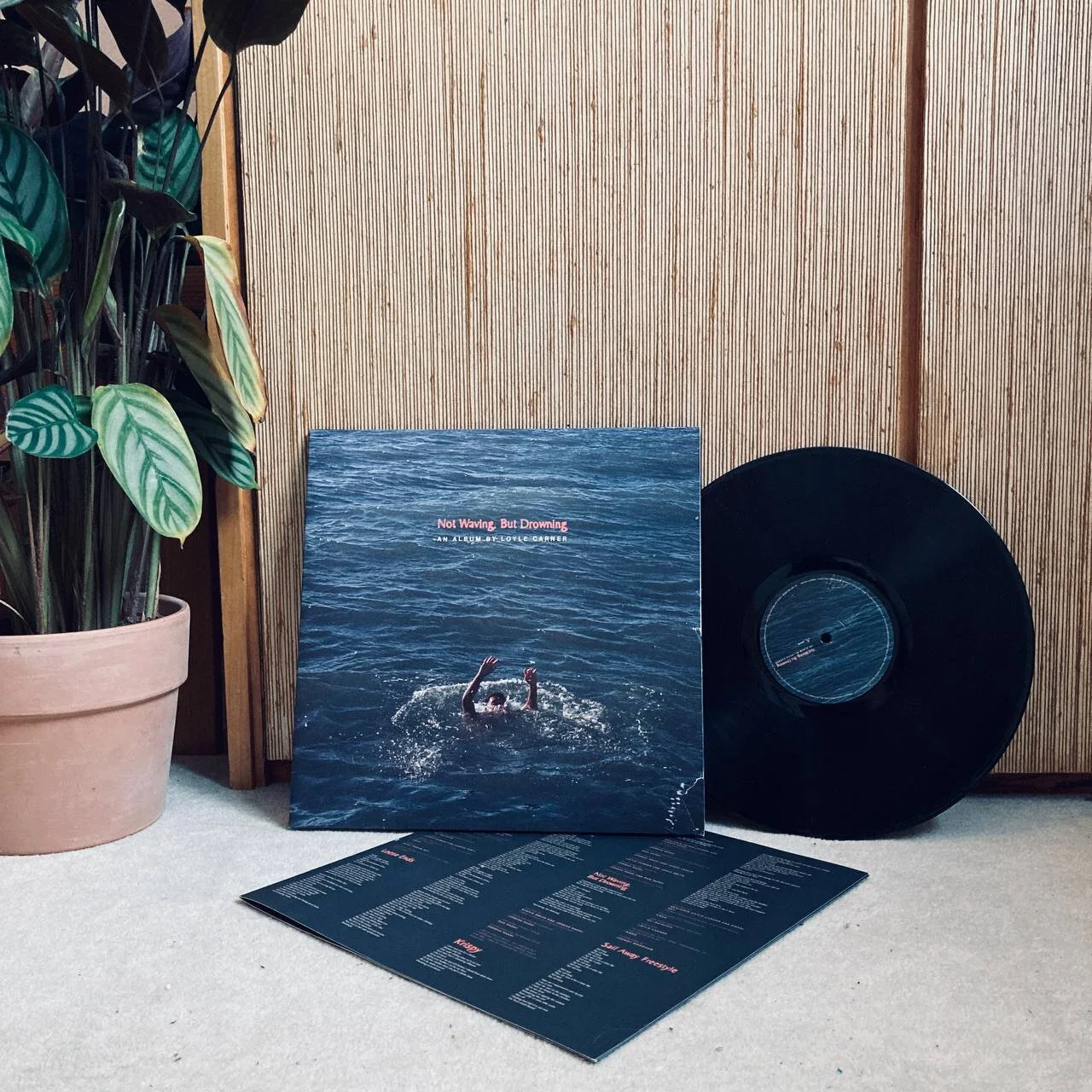
    UK-Rap made with a strong, sentimental and fragile narrative – this is the Rapper Loyle Carner (born as Benjamin Coyle-Larner) who created a wonderfully soothing and dreamful record in April 2019.

    The album Not Waving, But Drowning, which is named after a poem by the British writer Stevie Smith, is nurtured like a letter, addressed to his mother Jean. In it he ensures his love for her, regardless of his decision to leave home, detaching himself and moving in together with his girlfriend. The importance of his relationship to his mother is laid out within the whole album, as she can be heard the recordings, reading out Loyle’s self-written poems, that appear throughout the LP. Besides the confessions to his mother, he discusses the relationship to his girlfriend, the importance of a long-lasting friendship (shown in the song Krispy) and the loss of his father.

    The LP includes a collaborated track Angels with his mate Tom Misch and features by the emerging British singer Jorja Smith and Sampha. A track, that stayed with me for a long time, was Still; it is lively and dreamy at the same time but also contains Loyle’s light sentimentality, singing about the unchanged worries he still faces having to learn how to cope with them. Looking back is a great example of Loyle’s easiness to rap, which seems to come to him without any additional effort.

    The album concludes with the track Dear Ben, a letter written by his mother addressed to Loyle. In the letter she responds to his thoughts which he expressed throughout the past 14 tracks. With her thoughtful words it seems like she wants to take Loyle’s worries. She also refers to his letter from the begging of the record and confesses her motherly love as well, which rounds up the album very well.

    Born and raised in South London, Loyle Carner studied at the famous Brit School and afterwards started an acting degree at the Drama Centre in London. However, he soon dropped out of his studies due to his father’s sudden death in epilepsy, which ultimately made him decide to focus on music. His musical development is not only marked by the loss of his father, but also by a diagnosis with ADHS. Carner views the medical disorder as his “super power”. Without it he could not have gone this path he embarked on. ADHS has helped him to transform his energy into something positive – into music to be exact.

    Rapping about personal references and showing fragility publicly, he presents himself a lot different in comparison to most rappers. According to Loyle Carner, his music has some therapeutic effect on him, thereby coming to terms with certain events.

    The value of family backing and love forms the foundation of his lyrics. Its intimacy and significance of familyhood does not only appear lyrically. What is more that Carner’s own musical influence is due to the unique musicality being cultivated in the family, having spent a lot of time together listening to music.

    Other than the impact his family makes on his music, he claims to be most influenced by American Hip-Hop and Grime Music. Poetically he got most of his inspiration of the American poet Langston Hughes and the British writer Benjamin Zephaniah. Combing his “spoken-word”-singing with his wistful and sentimental way of rapping to discreet boom-bap beats, he creates an exceptional souly character.