Autor: admin

  • Voices From The Lake (2023 Edition)

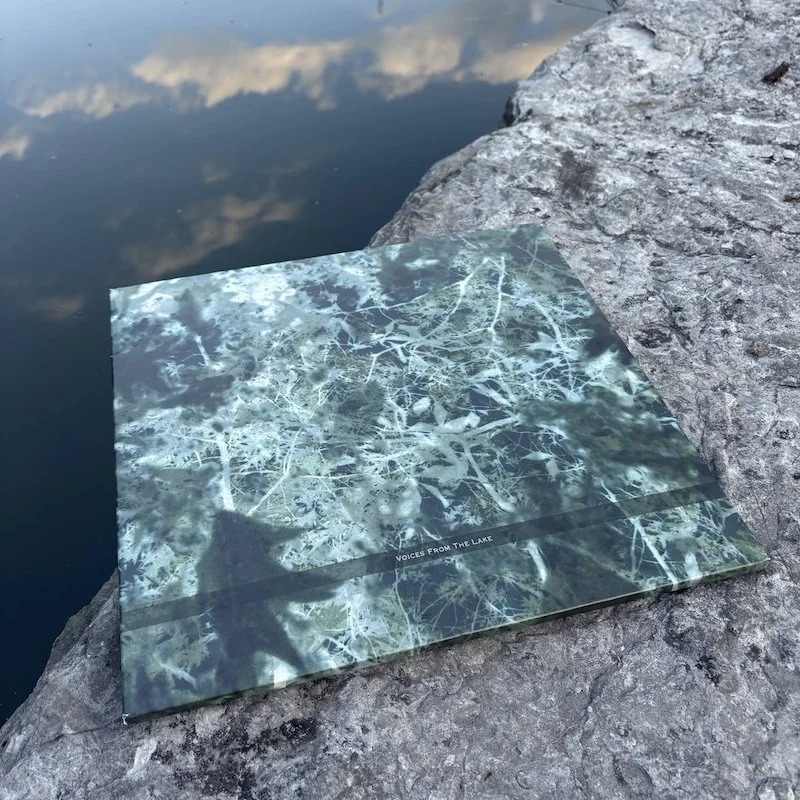
    Voices From The Lake (2023 Edition)

    This album asks for time and patience. If you give it both, it may lead you on a journey of discovery, perhaps into underground, watery spheres.

    It comes as no surprise that Voices From The Lake unites two excellent producers: Donato Dozzy and Neel, one of my favourite minimal artists. Both were established solo acts when they teamed up in 2011.

    Listening closely, I hear organic soundscapes emerge. Some capture nature in sound, while others evoke the feeling of something lurking just beneath the surface of dark water, or the play of colours shimmering as ripples spread slowly across the surface. The music carries the depth and darkness of the water, where a subtle life is sensed but never fully reveals itself. Above all, it conjures the quiet mystery of the water and the secrets it keeps, while its gentle flow soothes the mind and brings a deep calm.

    HHV Magazine aptly described them as „immaculate sculptors of sound who fuse evocative ambient and leftfield techno into multi-layered soundscapes,“ „using banks of analogue and digital equipment to improvise in the moment.“ It added: „Rather than traditional kick drums, hi-hats or snares, this is music crafted from layers of real-world sound.“ In 2023, More than ten years later, the album was finally released on vinyl.

    In „Circe + S.T. VFTL Rework“, a clearer, brighter and more fluid sound emerges from a dark, mysterious drift of water. Over twelve minutes, a dynamic play of moving water unfolds, at first uncertain, then increasingly fluid and driving. A clear formation of water takes shape, and with it a play of thoughts in the mind.

    Throughout the album new formations arise spontaneously from the interplay of different rhythmic components. To me, this mirrors what happens in nature, where things react to one another and slowly give rise to something new. From chance encounters, something unexpected is born and begins to grow. This album brings that dynamic of nature to life: sound textures and rhythms recreate what nature does only far more slowly. Slowly unfolding textures spread out, react to one another, and then react to each other’s reactions.

    Put on „Mika + H.G.S.“ and see if you can hear what I seem to hear: Bouncing, undulating rhythms begin to grow one by one and, after a while, merge into a shared sound structure. At the climax of their meeting, at 8:10, there is a rupture. It discharges as if everything that existed ist reforming into something completely new. Together, the rhythms gather fresh energy and create something new. For me, these moments, which you can discover throughout the album, take my breath away. It takes patience, but like nature, it rewards those who slow down and watch.

  • Arooj Aftab – Night Reign

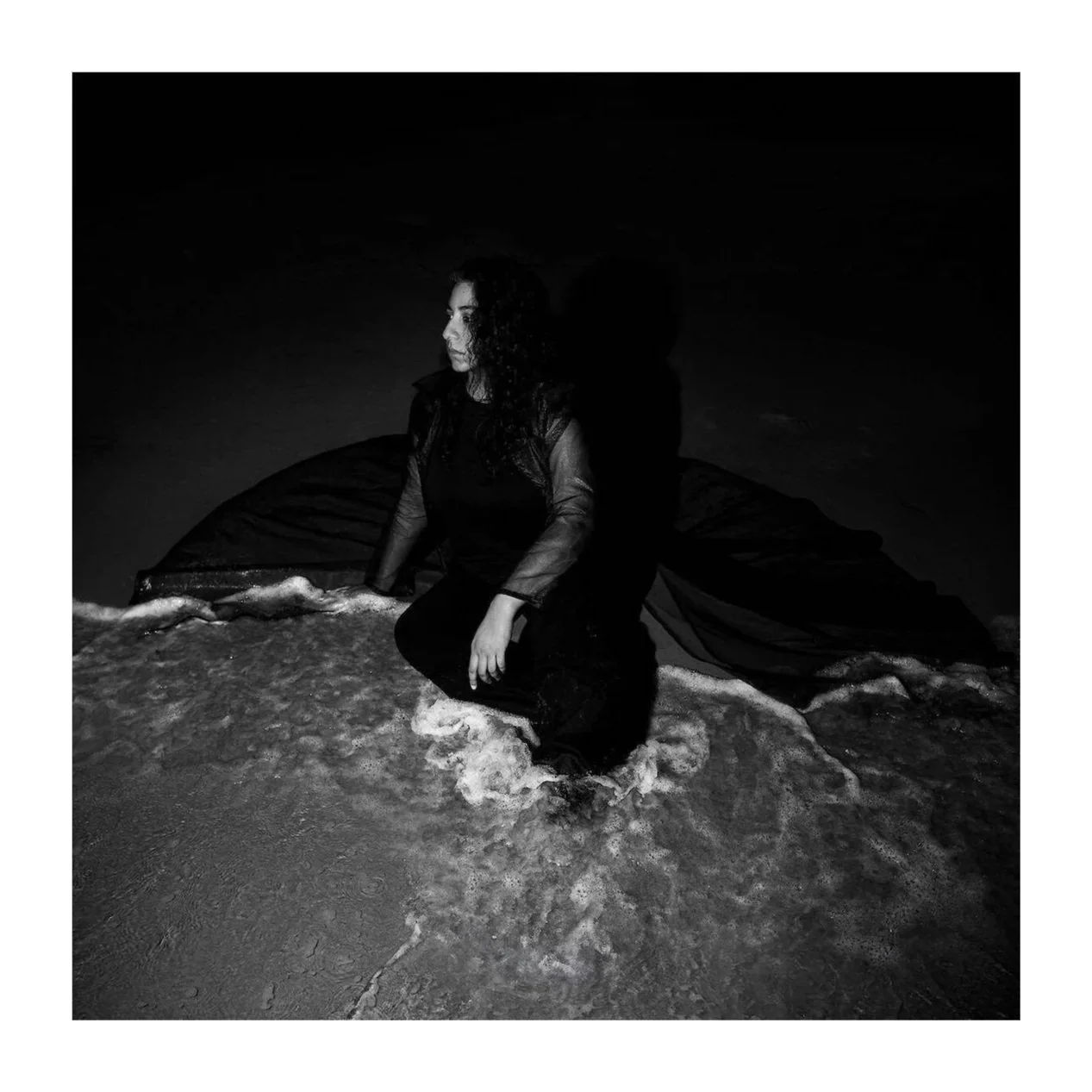
    Arooj Aftab – Night Reign

    Night Reign is the fourth studio album by Pakistani-American singer Arooj Aftab, released in 2024. It features collaborations with several artists from the jazz scene, including harpist Maeve Gilchrist, vocalist Moor Mother, and keyboardist James Francies.

    The album works like a shadow play: it reveals the gentle side of darkness and invites the listener to surrender to it. Its subject is love in all its stages. Aftab has described her concert songs as being about the „patheticisms of love,“ a phrase that captures the album’s emotional world. Night reigns over both mood and sound, and there is comfort in that darkness, when everything grows quiet and the mind can rest enough to recognise what truly matters.

    Aftab’s voice creates the album’s soothing yet mysterious atmosphere, whether she is humming or singing with greater insistence. She sings in both Urdu, her mother tongue, and English, letting the songs move between intimacy and distance, clarity and mystery.

    She often draws on poetry, as in „Na Gul“ and „Saaqi,“ which use the work of Mah Laqa Bai Chanda, an eighteenth-century Urdu poet regarded as the first woman in South Asia to publish a collection of Urdu poetry. Dreamily, Aftab sings of a love that looks past the obvious beauty of the physical world. Her tone carries yearning and unconditional devotion, heightened by the delicate, jazz-inflected interplay between her voice and the harp or piano.

    „Bolo Na“ is also based on an old Urdu love song, which Aftab reinterprets with Moor Mother and the vibraphonist Joel Ross. The original asks a romantic partner for emotional honesty; here the mood is more insistent, almost unsettling. Moor Mother speaks in a clear, urgent voice, confessing that she doesn’t feel safe in her lover’s arms and fears that this love may not be real, while Ross’s vibraphone adds a misterious shimmering in the background.

    „Autumn Leaves,“ Aftab’s reinterpretation of the classic jazz standard, captures the album’s dark, mysterious and contemplative character. James Francies adds Rhodes piano and synthesizer, giving the arragement a vibrant, dynamic touch.

    „Raat Ki Rani“ is perhaps the most dreamlike track. Piano and very soft drums gently carry the melody forward, while Aftab’s voice, lightly touched by Auto-Tune, intertwines with the swift, delicate plucking of the harp. The result is an ethereal interplay that feels both intimate and otherworldly. The lyrics capture the rush of being captivated by someone, the sensation of slowly falling under their spell.

    The album leaves you with a bittersweet sense of past loves and of the obstacles that can arise even once love has been found. Aftab shows how longing, fear and doubt can coexist with the deepest connection. It is this bittersweet quality, love that is beautiful yet tinged with sadness, that lingers long after the music has ended.


  • Tom Misch – Full Circle

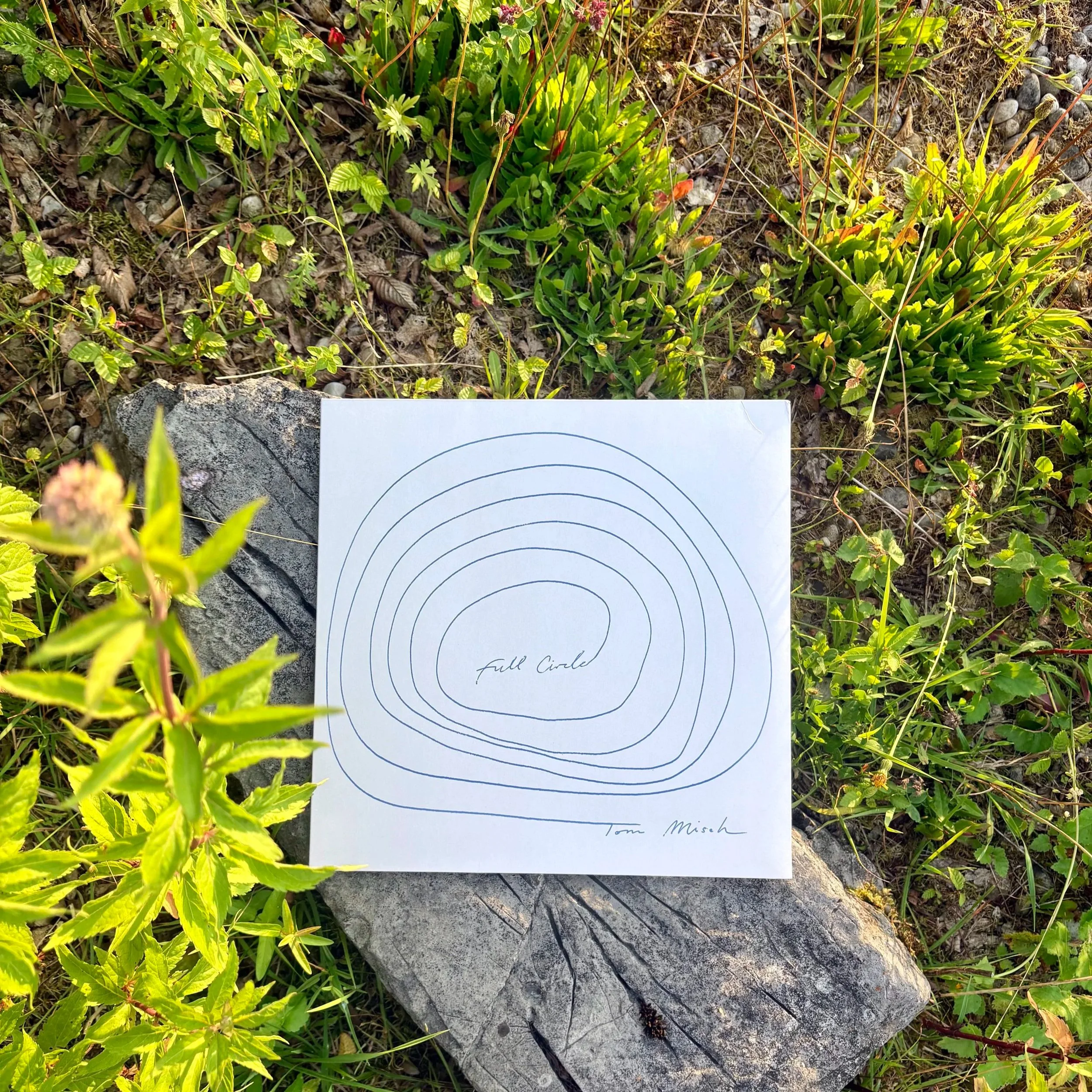
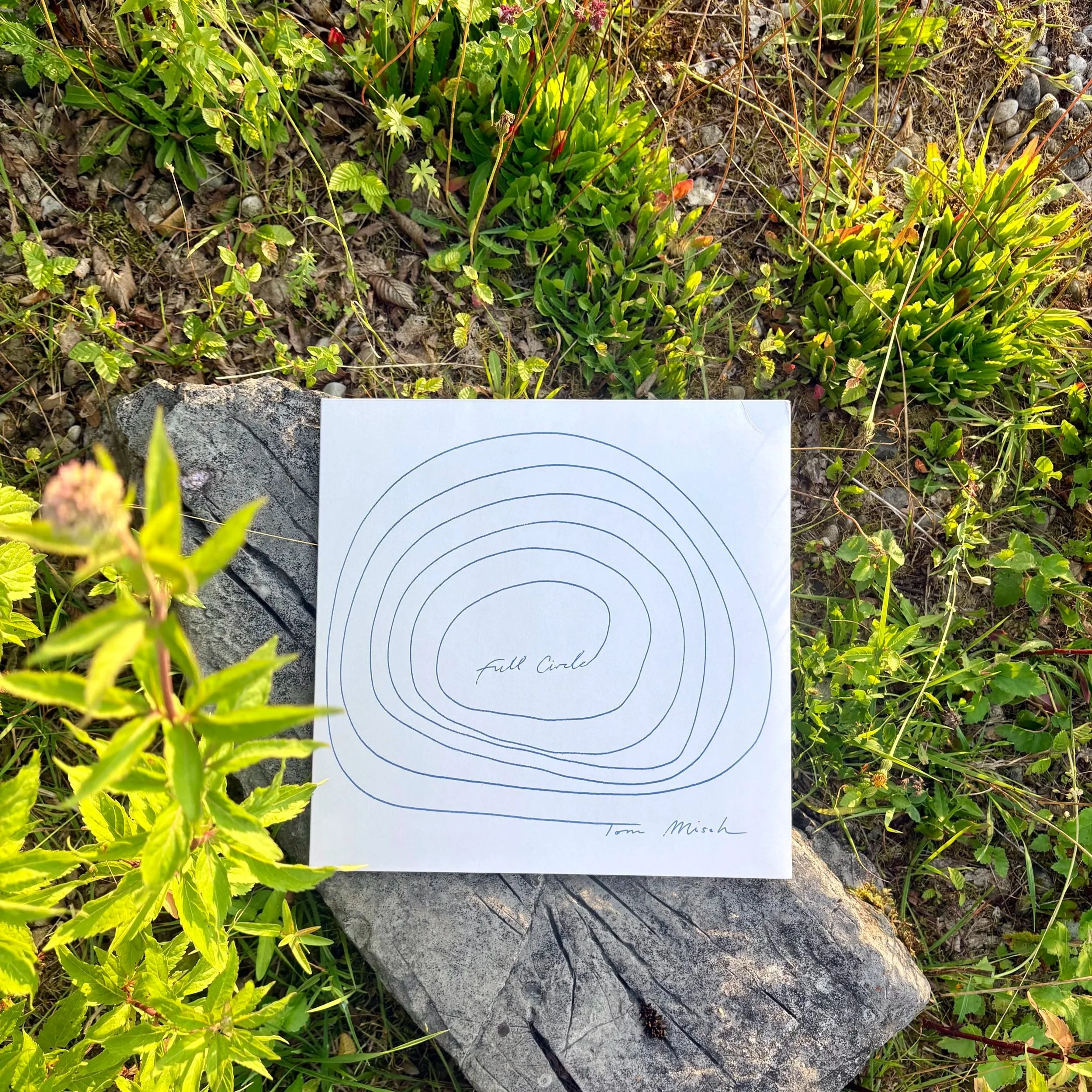
    Tom Misch – Full Circle

    Music can be a way of turning your attention inward—slowing down, embracing simplicity, discovering personal truths, and eventually finding the strength to move forward again. That feeling is beautifully captured in Tom Misch’s most recent album Full Circle, released at the beginning of this year.

    The album blends mellow funk guitar, folk songwriting, and jazz sophistication through warm analog textures. Its understated sound combines smooth guitar influences from John Mayer, jazz-inspired harmonies reminiscent of Robert Glasper, and the intimate storytelling tradition of 1970s singer-songwriters such as Joni Mitchell, James Taylor, and J.J. Cale.

    The album offers a deeply personal reflection on Tom Misch’s experiences after years of success, constant touring, and growing public attention, ultimately leading to burnout. In “Running Away,” he describes a relentless race against his own limits, singing, “Every step I take, I get a little closer to the end,” hinting at the exhaustion caused by life on the road and the pressures of the music industry. His delicate fingerpicked guitar playing reinforces the song’s introspective mood, adding a quiet sense of vulnerability to the lyrics.

    “Echo From the Flames” explores the difficult period that followed, as Misch found himself overwhelmed by anxiety and the weight of public attention. Both his lyrics and expressive guitar playing convey the unsettling feeling of emotional exhaustion, capturing the vulnerability of someone trying to find solid ground after pushing himself too far.

    „I’m burning out
    Face down in the ashes
    I’m reaching up
    No one’s there to catch it“

    As if responding to his lyrics, a nervous-sounding violin joins in, echoing Misch as he repeats the word “echo.” The interaction between voice and violin feels like a vivid display of sparks, full of tension, vulnerability, and emotion.

    Tom Misch stepped away from music in 2022, feeling disconnected from his career after losing the joy of performing live. During this period, he reconnected with ordinary life, gradually regaining his strength and sense of purpose. This journey is reflected in songs such as “Sisters With Me.” After moving back in with his family in southeast London, Misch celebrates the importance of his relationship with his sisters in a way that feels honest and deeply endearing. The warmth and authenticity of the song make it immediately relatable.

    During his break, Misch explored life beyond music, training as a surfing instructor in Cornwall, working gardening jobs, and becoming a barista. These experiences allowed him to gain new perspectives and develop a sense of identity beyond his career. He also travelled alone through Portugal in a camper van, an experience reflected in “Slow Tonight,” which highlights the importance of balance, simplicity, and slowing down.

    The renewed energy Misch found during this period can also be heard in tracks such as the J.J. Cale-inspired “Red Moon.” In the song, he looks to the cosmos for guidance and reassurance, searching for a sense of direction beyond himself. His stripped-back guitar playing moves effortlessly with the song’s gentle rhythm, creating an atmosphere that feels warm, comforting, and safe.

    „Sultan of Silence“ embodies the feeling of being deeply understood, where communication no longer depends on words. It speaks of someone who “knows me right down to my bones” but “never asks for any more.” The song captures the beauty of a relationship free from expectations, demands, or pressure—a quiet connection built on trust, acceptance, and simply being present for one another.

    The album’s closing track, “Days of Us,” offers perhaps its most compelling listening experience and deepest message, exploring the bittersweet realisation of a changing relationship. Kaidi Akinnibi’s saxophone playing beautifully reflects this mood of longing and vulnerability, adding emotional depth and fragility to the song. Misch reflects on the pain that comes with growing apart while also finding peace in accepting it. Rather than clinging to what once was, the song suggests that acceptance can become a quiet form of healing, bringing the album’s themes of reflection, vulnerability, and renewal to a deeply moving conclusion.

    With all of this in mind, the album’s opening track, “Flower in Bloom,” contains perhaps its most important message: the realization that life cannot be rushed, and that we all move through cycles of growth—periods of stillness that naturally give way to renewed creative energy. Like flowers in bloom, we are constantly changing, growing, and returning to ourselves in our own time.

  • JakoJako – Verve EP

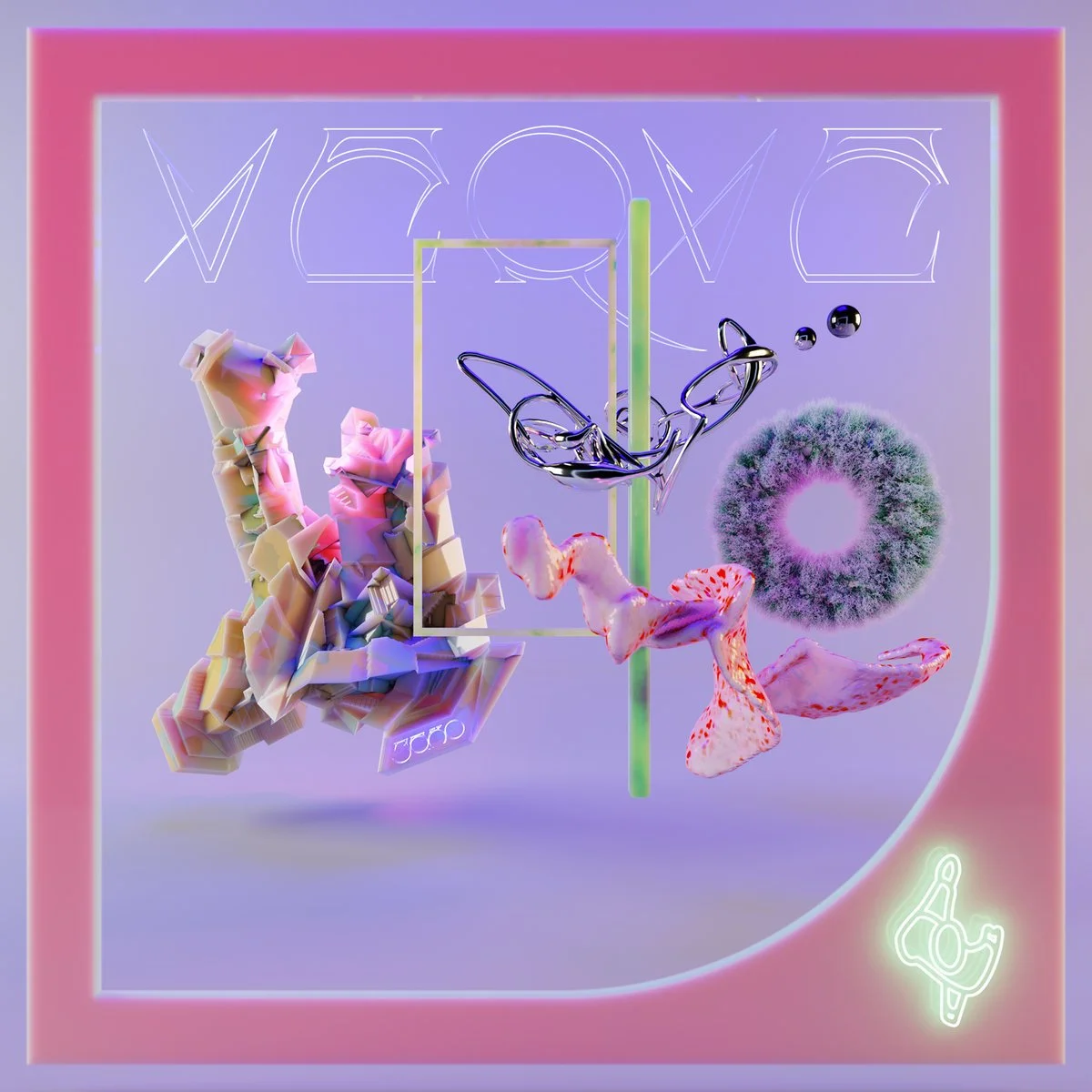
    JakoJako – Verve EP

    Artwork Verve EP

    JakoJako has been on my radar for quite some time. I first discovered her at Berghain having been totally blown away by her craft and then soon after i enjoyed her set on an early Sunday morning at Fusion Festival 2023.

    I am fascinated by artists who are as concentrated and deeply immersed in their music as JakoJako is. We I saw perform, she barely interacted with the crowd, remaining fully dedicated to her music— continuously building, refining, and reshaping her set with meticulous attention to detail.

    JakoJako’s profound musical knowledge is evident in every track she produces. She acquired much of her expertise while working at “SchneidersLaden,” the renowned Berlin synthesizer store, where she quickly became recognized for her technical understanding. There, she taught herself the intricacies of modular synthesizers, creating a setup that now consists of 25 modules. This expertise eventually caught the attention of Daniel Miller, founder of Mute Records, who encouraged her to start producing her own music — marking the beginning of her career as an artist.

    Looking at JakoJako’s discography, it becomes clear that she cannot be confined to a single genre. As a resident of the iconic Berghain, she has mastered the art of creating precise, pulsating techno while avoiding the predictability often associated with the genre. Her music naturally embraces repetition, yet within these structures one can constantly discover subtle shifts, intricate details, and unexpected layers that add sensitivity to her powerful rhythms and basslines.

    Tracks such as “Impetus” and “Nexus” showcase this approach perfectly. “Impetus” is a peak-time techno banger, relentless in its driving force while creating a layer of tension that unfolds above a delicate and carefully crafted melody. “Nexus” maintains an intense level of suspense through soundscapes that interact in a nervous and dynamic exchange, enriched by abrasive, crackling textures.

    However, JakoJako’s talent extends far beyond techno. She also explores ambient music, revealing another dimension of her artistic versatility. While her 2022 LP focused heavily on ambient compositions, she incorporates this side of her work into Verve with “Opak.” The track stands out with its feather-light, floating structure, offering a serene contrast to the intensity of the EP’s techno pieces.

    Finally, “Auris” demonstrates her ability to merge the driving tension of techno with melodic elements and subtle dub influences. It serves as a perfect conclusion to Verve, presenting a well-rounded portrait of an artist who combines technical mastery, emotional depth, and a uniquely sensitive approach to electronic music.

  • Modeselektor – DJ-Kicks

    Modeselektor – DJ-Kicks

    Preface – A Return to Listening

    This blog reflects quite well how little—and how superficially—I listened to music over the past year. If I listened at all, it was usually just to individual songs, without knowing anything about their background or taking the time to experience a full album. I didn’t find that fulfilling. Music rarely touched me in the way it can when you really immerse yourself in it.

    I simply didn’t have the patience or the interest, and I tried to keep my expectations low. Sometimes life goes through phases like that. Eventually, though, the urge to listen closely returned—and with it, the desire to write about music again. It’s a relief to realize that these things can change organically with time.

    For my first review after this long break, I’ve chosen the only album I that truly captivated me during my absence from writing. Throughout the winter, it became a constant companion, playing whenever I had the chance. I love those rare moments when an album completely absorbs you, when you want to hear every detail and gradually feel as though you’ve become part of its world.

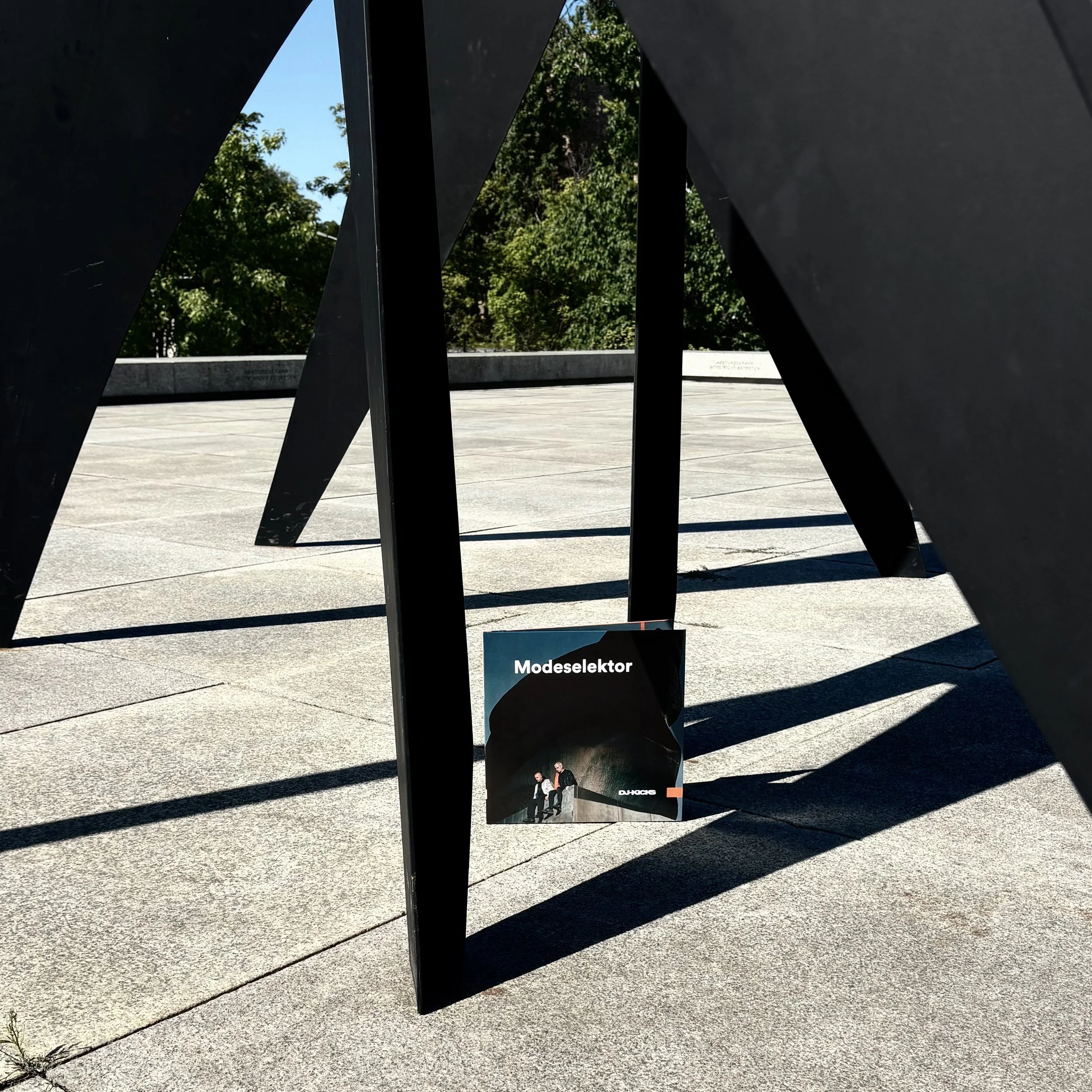
    DJ-Kicks: Modeselektor

    Artwork DJ Kicks: Modeselektor

    Modeselektor’s contribution to !K7’s long-running DJ-Kicks series brings together their own productions with tracks by a wide range of other artists.

    Despite its wide range of artists and genres, the mix consistently bears Modeselektor’s unmistakable fingerprint. Through subtle edits, sequencing and transitions, they imprint their rhythmic, bass-heavy aesthetic onto the entire set, making even stylistically distant tracks feel as though they belong to the same musical world and create a unified experience.

    Weaving Contrasting Genres Together

    The mix reveals its character from the very beginning, where sharp contrasts in genre and sudden changes in direction immediately capture the listener’s attention. Modeselektor effortlessly combine dancehall, dubstep and avant-pop into a cohesive whole. It begins with the dancehall-inspired „Permit Riddim“, underpinned by their characteristic bassline, before moving into the pumping, percussive rhythm of „MEGA MEGA MEGA“. This momentum is suddenly interrupted by a heavy dubstep passage, only to return to the driving percussion as they seamlessly weave in the avant-pop track „Gaister“. Compared to the original, their edit is subtle, yet a deeper bassline and slightly more forceful rhythm reshape the track just enough for it to slot effortlessly into the mix. It naturally builds towards their own track „Kupfer“, which in any case sounds unmistakably like Modeselektor: percussive, breakbeat-heavy, frequently interrupted by spacious melodic passages, yet always pushing forward.

    That sense of openness briefly returns with the interlude „Hero Once Been“ before the mix enters what is, for me, its most exciting stretch, beginning with „10 Minutos“.


    From Intensity to Reflection

    It begins with Little Simz’s already phenomenal „Mood Swings“, here reworked by Modeselektor with an incredibly pulsating beat that amplifies the track’s intensity even further. The marching, percussive rhythm that follows drives the energy higher before briefly slipping into the dark atmosphere of Chlär’s „Populism Is Money“.

    Immediately, however, in the track “Overture” Maxime Denuc’s magnificent organ melody takes over. Its rhythmic, techno-infused playing complements the hardness and urgency of the surrounding tracks perfectly. The result is a passage that somehow conveys numbness, tension, and theatricalhopefulness all at once.

    The sequence leads into “Movement” with the climax broken by an unexpected beat switch. A heavy, bouncy beat gives way to a lighter, almost floating groove in while you can hear the voice of “Paul St. Hilaire” calmly speaking in a deep, smoky voice gliding effortlessly through the music, creating a strangely weightless feeling.

    „The Machine“ initially feels as though it wants to slow the mix down before „Spillhaugen“ completely changes its direction. Suddenly, Beirut’s indie rock melancholy provides a beautiful, almost romantic moment of reflection.


    From Club Energy to Quiet Reflection

    The pause is short-lived. The mix quickly launches into its second climax with club-focused tracks such as „Spellbound“, „Percolate“, „Bonk“, and „USA USA USA“, all driven by a dark, relentless four-on-the-floor techno rhythm.

    That intensity gradually opens up again with the breakbeat-heavy „Stone Rinse“, which eases the pace without sacrificing the gravity or darkness the mix has built up.

    The closing begins with Julien Bracht’s spacious, understated contribution before arriving at one of the mix’s most peculiar and moving moments: Siriusmo’s „Koko“. Here, a robotic voice attempts to express vague but deeply human emotions:

    „I am Nature. Men Koko love. Earth Koko love, but Men Stupid. Koko sorry. Koko cry. Time hurry. Fix hurry. Help Earth, hurry! Nature seen. Thank you!“

    After this strange and unexpectedly touching statement, a melancholic piano passage brings the mix to what feels like its conclusion. Yet even here, Modeselektor cannot resist pushing the music forward one final time, extending the ending with another subtle rhythmic transformation before letting everything quietly fade away.

    Few mixes have stayed with me as long as this one. Through the selection of outstanding tracks, every contrast serves a purpose, making the mix feel vivid, unpredictable and constantly engaging.

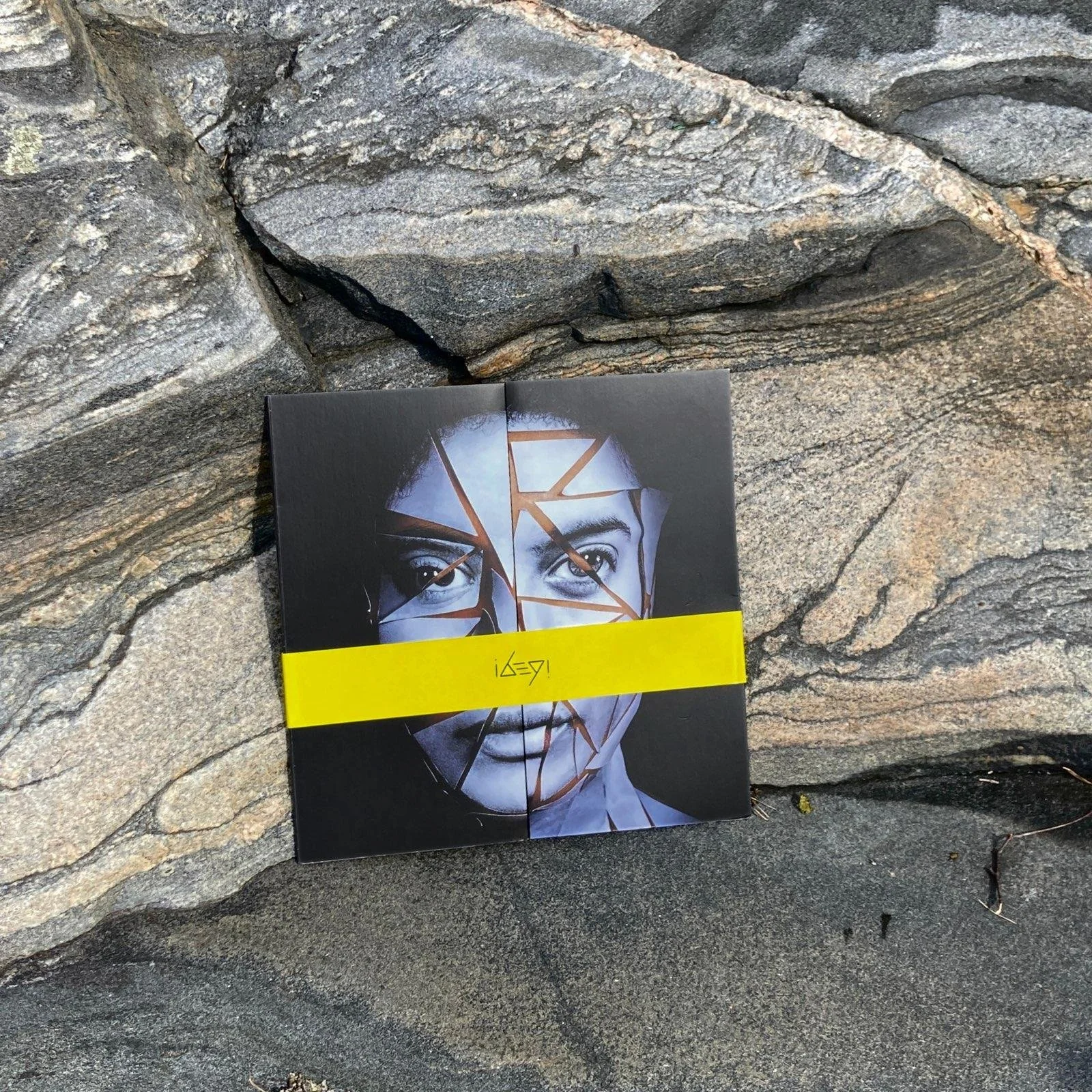
  • Ibeyi – Ash

    Ibeyi – Ash

    In the west-african culture Yoruba “Ibeyi” is the expression for the divine spirit shared between twins. In this case you are looking at the twins, Lisa and Naomi Diaz, who have shared their entire life with each other and experienced similar events.

    You can sense the togetherness of the twins, however, they both have their own character. They see themselves as complete opposite: Lisa describes her sister Naomi as being more impulsive, sensitive and proactive like a fighter, whereas Lisa is more calm and reflective, however tends to overthink. Those two different characters go very well together, when you look at their continuous success since 2015. Transferring this into their musical approach, both women have their own domain: “I [Lisa] do the skeleton and she [Naomi] gives it the flesh and the skin”- meaning Lisa is in charge of the melody, piano parts and the lyrics, Naomis‘ domain lies within the production and rhythm.

    At the age of 11, soon after the death of their father, Miguel “Angá” Diaz, who was one of the most famous Latin jazz artist playing the conguero in the Buena Vista Social Club, the twins started to pick up his musical heritage. Lisa wrote lyrics and Naomi took over their dads favourite instrument, the Cajòn. They got taught about traditional songs of the west-african culture Yoruba, which their mothers‘ family side inherited. Yoruba-Folk was soon to be one of the main musical essences, that they blended with downtempo electro-soul, hip-hop and contemporary jazz – the mixture which Ibeyi is well known for.

    “We grew up in a family that is half white, half black, and we think that’s perfectly fine. Even as children, we had access to very different cultures: Yoruba, French, European. That shaped us, and we wanted to pass on this tolerant view of the world with our album.“

    While their first album was focusing on personal grief, overcoming the death of their father and sister, Ash is themed upon political world affairs. It is 2017, when the Diaz twins publish their 2nd LP – the time when the political situation seems to overheat itself. “We feel like the world is on fire and we are all like ash – hence the album title.” The corresponding theme song “Ash” was the first track they came up with and from that first idea, it opened up the doors for all the other songs.


    The albums’s theme opens up with the intro “I carried this for years”, where Lisa and Noami show their sorrow and ongoing burden they have carried around with them, though with the album they will be able to process their sorrow. “Away away” picks up the motive behind “Ash” (as discussed above): a girl looks out her window at a world collapsing, with the future ahead to be exposed to the “fate of flames”, but then finds strength as she begins to sing, which proves to be the sisters‘ way to cope with all the problems facing.

    The strongest, most insistingly political message comes across in “No man is big enough for my arms”. You hear the lines of a speech by Michelle Obama delivered in 2016, shortly after an audio recording was leaked. It contained the presidential candidate Donald Trump, in which he defined his personal patronising image of women to his colleague Billy Bush. She holds against his disrespectfulness with her most urgent catchphrase of her speech: „The measure of any society is how it treats it’s women and girls“. This sequence repeats itself over and over again like a important warning.

    Ibeyi joins in Michelle Obama’s shock, loudly chanting: “No man / No man is big enough for my arms”. It sounds like a liberation strike against men oppressing women. As irritating the matter referred to is, the stronger and empowering their appeal comes forth: “The piece is meant to encourage women to stand up for themselves, to be ambitious, to be self-sufficient. It is a song written by women for women.“

    A second, yet equally important message, displays the track “Deathless”. It tells the story of Lisa, who had been held up by a policemen when she was 16. She was accused of doing something illegal and examined allegedly only because of the colour of her skin. When processing Lisas story into a song it appeared to come across as a hymn addressing everyone. It creates a sense of hopefulness and feeling strong. For the recording of “Deathless” the twins gathered friends and family to form a big choir to chant the words “We are deathless” as insistingly as possible.

    Despite their sorrow and frustration that the world is far away from meeting the sisters‘ idealism, Lisas and Naomis encouraging, soothing singing convinces us to stay positive and solidary to each other. They themselves are supportive and solidary to their listeners and each other. Through their music they seemed to have found a way in which they can display their sisterly bond, overcoming their grief and anger through spiritual and empowering singing.

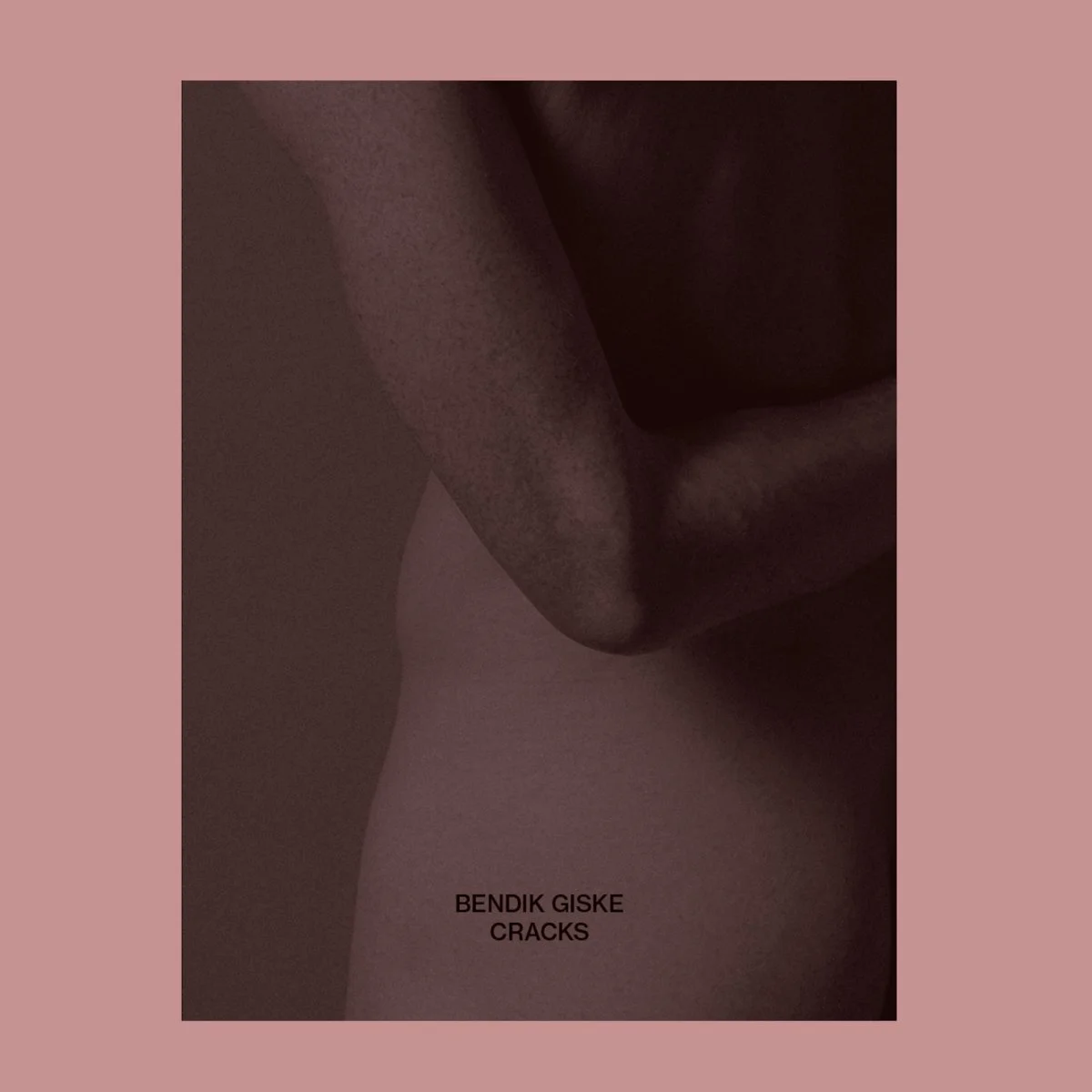
  • Bendik Giske – Cracks

    Bendik Giske – Cracks

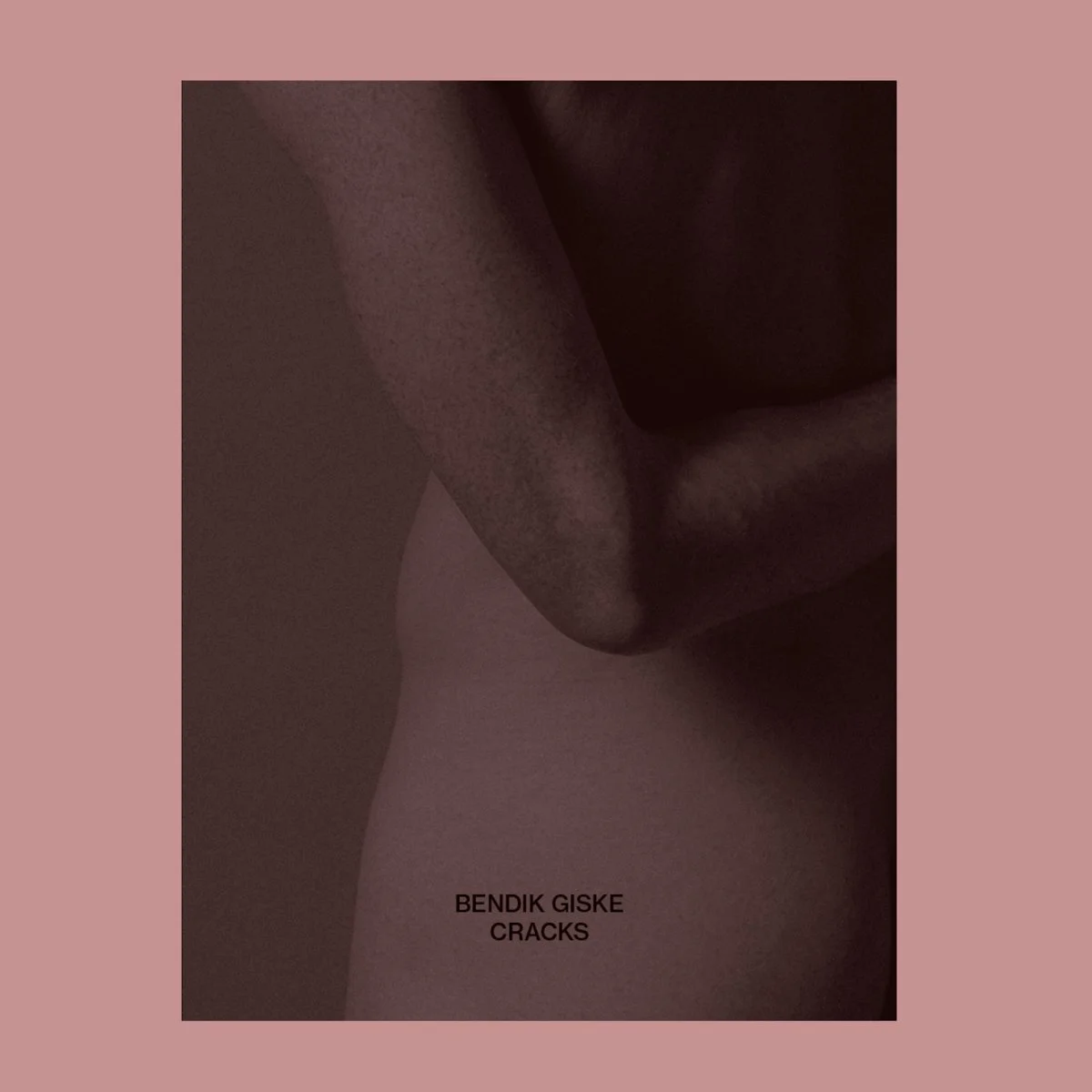
    Artwork Cracks

    The record opens up like a fluttering bird. Shy and almost frightened sounds elicit out of Bendik Giskes‘ saxophone. Soon his initially cautious tones develop into yelling yet gentle movements. With “Cruising” a deep punctuated bass discharges the constricted tension and merges into a hectic but flowy melody of the saxophone. To me it sounds like an interpretation of Bach’s Prelude No. 1 since he plays a very similar melody on his saxophone, though less sentimental. While in the previous song the saxophone sounds weak, it now seems to gleam and prosper. Its mystic atmosphere is created by a lot of reverb which spreads out more and more. In response, the playing of the saxophone becomes shriller again and then seems to slowly disappear into the atmosphere.

    “Void” intensifies this oppressing tension. Its Drone-style resonates abandoned and dark with some remnants of the energy of the previous song. A dialogue between a shrill voice and the saxophone make the mood even more uncomfortable.

    Out of the void we arrive through “Cracks” into a surface that feels strange even ghostly. Without question this would be the perfect soundtrack for a sci-fi-movie. Throughout its 8 minutes you can really engage with the unique atmosphere. As a response to Void “Matter (part 3)” continues with the same motive, however even shriller almost dissonant. The saxophone ends the album with a faint flutter just like it started.

    Unquestionably this music isn’t a classical approach to the saxophone for sure. You must take Ginskes‘ background into account: As a queer man growing up in Norway, and then attending a music conservatoire in Copenhagen, he dislikes the straight, male structures that are found in the Scandinavian jazz scene. “By playing tunes you step into that understanding of what the saxophone is supposed to be, what it usually does,” he says. “I wanted to find my voice by abandoning the soloist role, which is a very illogical thing to do on the saxophone.”

    So he decided to show his instrument on its whole, placing numerous microphones around his instrument in order to include his fingers clicking against the keys and keypads which makes his sound as organic. Moreover, he multiplies the noises of his breath and singing by applying an effect pedal. Also the typical sound he creates with his saxophone is a technique normally used on a didgeridoo by circularly breathing on a flute.

    A lot of heaviness remains after listening to Cracks, though Giskes‘ progressive rethinking of playing the saxophone leaves the most captivating impression. He has tailored his saxophone to meet his very own personal approach. At first it seems difficult to crack his techniques though it sounds even more overwhelming if you know what kind of methods lie behind them.

  • Martinou – Rift

    Martinou – Rift

    Artwork Rift

    The Swedish producer Martinou started releasing back in 2014 through his co-founded label sewer sender. Since then he has been realising numerous EPs. Rift marks the first LP of the Swedish producer Martinou which was released through the Label Nous’klaer in 2021.

    At first glance Rift comes forth with an introverted touch: sounds are broken down to its core; low-key and almost hesitant. Once the tracks settle themselves into their main musical pattern, the music will expand itself, thus more and more character will slip through. What might have appeared to be cautious begins to flourish and change into confident material.

    Listening to the overall 12 tracks I find myself on a meditative journey, however firstly going through nuances of distress and uncertainty. Once the tracks seem to overcome its distress, I hear both clarity and encouragement.

    Listening into “Submerged” and “Thunder Road”: both tracks consist of a clattering rotating pattern. It attracts you, gloomy and obscure as they are. A jingling light melody breaks their dark atmosphere creating brightness and cheerfulness. Musically the quality of each sound pad is extremely rich and full of detail. They overlay and interweave with each other. Deep profound bass lines are combined with rustling floating sounds. A fair amount of tension is created by smoothly increasing or decreasing the volume of each component.

    The most captivating and unique sound arrangement of the album is heard in the ambient track “Monolith”. For some it might first appear as monotonous, though listening to it more closely and trying to apply the details as described as above, “Monolith” will come across to be full of diverse structures and density. Once observed all the details, the track has some extremely meditative sensation.

    Overall the potential for discovering Martinou’s skilled arrangements seems enormous and of great quality and aspiration. The whole record gives you the opportunity to slow down and discover a lot of detail over its course.

  • Fuffifufzich – Heartbreakerei

    Fuffifufzich – Heartbreakerei

    Artwork Heartbreakerei

    Vor mehr als 5 Jahren veröffentlichte Vanessa Loibl aka Fuffifufzich ihren Song „Life is scheise du bist nicht dummi“. Kurz daraufhin führte sie den Song im Theaterstück „don’t be evil“ der Volksbühne Berlin auf. Neben ihrer Karriere als Sängerin ist Vanessa Loibl Theater-, Film- und Fernsehschauspielerin und Sprecherin.

    Fuffifuchzich (Foto: Elena Peters-Arnolds)

    Fuffifuchzich (Elena Peters-Arnolds)

    Irrtümlicherweise wurde angenommen, dass die Idee der Kunstfigur Fuffifufzich durch jene Theaterproduktion entstanden sei. Auf Vanessa Loibls Initiative brachte sie ihre Musik in das Stück mit ein, woraufhin ihre Kunstfigur Fuffifufzich Teil der Inszenierung. Nach anfänglicher Kritik, man könne ihre Texte nicht verstehen da sie zu stark nuschele, reagierte Fuffifufzich humoristisch geschickt: in dem Stück liest sie ihre Lyrics auf der Bühne trocken runter, was eine völlig konträre Wirkung erzeugte zu dem eigentlichem Musikcharakter – verträumt, verspielt, gemütlich und mit eine Prise Willkür.

    Das was ich als Fuffifufzichs Träumereien bezeichne, befasst sich mit der Liebe und deren Vielschichtigkeiten. Schon der Titel ihres Debütalbums Heartbreakerei deutet darauf hin, welches im Oktober 2022 erschien. Ihre melancholischen Träumereien untermalt die Künstlerin mit nostalgischen Retro Synth-Pop, der mich ein paar Jahrzehnte in die 1990er Jahre zurückversetzt. Fuffifufzichs Texte durchlaufen allerlei herzergreifende Erfahrungen vom großem Herzschmerz. Dessen Schwere lässt sie uns Hörer*innen teilweise stark spüren, wie etwa im Song Zur Hilfe- eine Liebeserklärung, die unerwidert bleibt.

    „Zur Hilfe
    Du bist verliebt in mich
    Zur Hilfe
    Ich weiß die Liebe ist zu viel für dich
    Regen in deinem Gesicht
    Ich halte dich
    Doch liebe mich“

    Zum Anderen verleiht sie ihrem Liebeskummer durch ironische Bemerkungen eine gewisse Leichtigkeit. So singt sie in Heartbreakerei ganz schwach und enttäuscht über ihr gebrochenes Herz und möchte diesen Vorfall bei der Polizei melden.

    Hallo 110, ist da die Po-Polizei?
    Ich möchte Anzeige erstatten
    Weger Heartbreakerei (Weger Heartbreakerei)
    Weger Heartbreakerei (Weger Heartbreakerei)

    Sie schildert ihre Erfahrungen und Gefühle in ihre ganz eigenen ungewöhnlichen Perspektive. So beschreibt sie in Urli das Gefühl von Zuneigung, mit dem Vergleich, wie entspannt und wohlig man sich nur im Urlaub fühlt. So erklärt sie auf diese Weise wie es ist, eine große Verbundenheit zu einer Person zu fühlen.

    Du bist viel schöner als der Ozean
    Wenn ich dich anguck, weiß ich, ich muss nich‘ mehr in den
    Urlaub fahren

    Denn mit dir zusamm‘ ist es viel schöner als am Ozean

    Nicht nur inhaltlich hat Fuffifufzich ihren ganz eigenen Stil, Gefühlswelten zu veranschaulichen. Durch ihre Sing- bzw. Sprechweise verleiht sie den Texten unvorhersehbare Wendungen, die auch ihr humoristisches Narrativ unterstreichen. Sie betont Wörter mit einer verzögerten oder vorgezogenen Intonation, wodurch ein ganz spezieller, unvorhersehbarer Rhythmus entsteht. Ergänzend dazu kombiniert sie deutsche mit englischen Wörtern -wechselt von einer Sprache hin und her…und wieder hin – oder erfindet neue Worte. Ein großes Kuddelmuddel könnte man denken, aber bei Fuffifuchzich klingt es extrem geschickt und lässig- am eindeutigsten werden ihre Wortspiele in dem Song Ferrari:

    I was thinking the other night the night
    An den Abend in der Bar
    Du warst mir nah
    Ich war dir nah
    Die Bar ist ge-ge-geclosed now
    Und du bist nicht da. [
    …]

    Can you fühl what I feel für dich?
    Can I fühl what you feel für mich?
    I can make you fühl
    You can make me feel
    I can make you fühl
    You can make me feel

    In diesem Sinn lässt uns Fuffifufzich in all ihren Tracks „make uns fühl ganz viel“: Die große Liebe, die unerwiderte Liebe, die verlorene Liebe, die ekstatische Liebe- vieles, was uns so intensiv fühlen lässt!

  • Jacques Bon – A Long Way

    Jacques Bon – A Long Way

    artwork A Long Way

    This deep house record has been on my review list since it was published July 2022. A Long Way performed by Jacques Bon and produced by Vincent Drux was released under the renowned label Smallville Records. Jacques Bon himself was running the Paris branch of the Smallville record store for 13 years (2006 – 2019) until it closed down; though the label itself still exists. From the start I was hooked by A Long Way.

    When listening to this record you can certainly take A Long Way in the literal sense, though not in a tedious way. Even if the music has a dark and gloom character, the length of the ‚way‘ comes forth in a diverse and agitating sense.

    A Long Way splits up into two different styles of tracks that alternate over the course of the album: One character I identify is that of toughness and suspicion, which musically gets transmitted by deep, monotonous bass-heavy patterns. This ‚monotony‘ gets broken up by the second character: enlightening sequences of a celestial ease – influences of ambient sounds and moderate melodies.

    Both of these elements are easily discernable in the first track “Distant Voices”. Lucent sounds of bright colours lead into the beginning of the album. The brightness gets cut off by a musty bass drum, sounding as if the bass is still buried underground. With these two sound elements the track forms itself into an atmosphere both hesitant and animated.

    The following two tracks “Celeste” and “Mirage” both continue with that dark and even more discomforting effect: thus I hear some of that gravelling tone like in “Celeste” – it is as if somebody is stirring in a big indefinable liquid substance. You are left both curious but hesitant. With “Mirage” the path will carry on even hazier. A monotonous dark bass line in combination with a shrill but muffled, vage melody leaves you feeling intimidated.

    The next track “Space Ways” clears up the atmosphere slowly. A strong beat is underlaid with a shimmering spheric sound pattern. Botanical snippets and a soothing vocal ease up the ‚Long Way‘.

    The shimmering tone gets carried on in “Radiance”, however it takes on a much more roughness over its course. The main percussion element that starts off slowly sounds more and more distorted and metallic. The same process carries on in “Your Wings” with similar metallic beats, however much sharper and forceful. Once again a lucent soft component will discharge the tension of the track.

    Having almost arrived at the end of the record, with “Elevate” we are left with a trotting, deep yet spherical touch suggesting a cool down, though the album ends with its most dynamic track- “Sandstorm”. It insists with a deep but simple techno pattern underlaid yet again with the stirring motive of “Celeste”. Once you find yourself drawn into the driving power of the stompy beat, gentle percussions will decrease the speed cooling off the tempo. But the tempo will change back as it increases one more time, finally climaxing in a joint arrangement with the strong beat form the beginning. Soon they both fade out gently and illusively.

    Gentle and illusive – In that sense I experienced the entire journey of A Long Way. For me it is the perfect combination of profound rhythms that come forth sort of mystifying and dark. It consists of great repetition as well as numerous details which make it as diverse.