Kategorie: long reads

In-depth album reviews: the story behind the record, track by track.

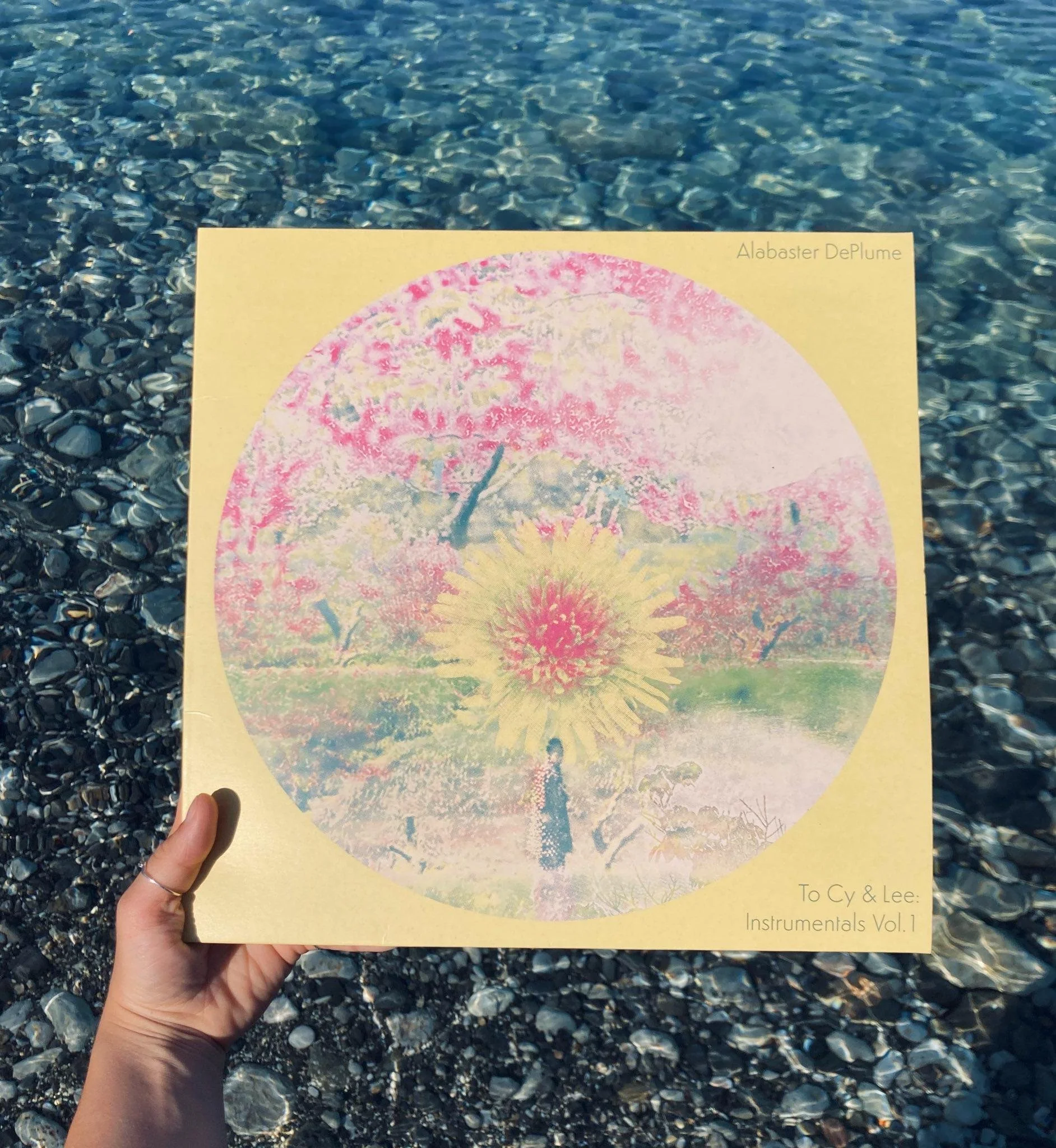
  • Alabaster DePlume – To Cy & Lee: Instrumentals Vol. 1

    Alabaster DePlume – To Cy & Lee: Instrumentals Vol. 1

    If this record of Alabaster DePlume were to be an object it would appear as something really fragile like soft silk – whereas from the outside it might appear delicate in its structure, however once you touch it, the softness of the silk has some sensational and also powerful consistency.


    Alabaster DePlume, aka Angus Fairburn, is a British artist primarily known for his improvisation skills on the saxophone. Originally from Manchester, he moved to London a few years ago. A recording studio called ‘The Refreshment Center’ was to be his new work base, opening up new creative opportunities for him: There he hosts a monthly concert series ‘Peach’ and runs the radio program ‘Realistic Behaviour’ on Worldwide FM, bringing musicians of different backgrounds to play music together live on air.

    Importantly for this album, he led a project in the Manchester Charity Ordinary Lifestyles, which supports people with learning difficulties. To Cy & Lee: Instrumentals Vol. 1 is the result of DePlume’s project work there, featuring Cy and Lee, two clients at the charity, to whom the album is also dedicated to. Together they composed the melodies and tunes which were later used as the starting point of the final composition. Playing with Alabaster enabled them to focus and fully draw their attention to the instruments, thereby communicating with which each other.

    Within the course of the album one will get carried through nine different compositions. Ethiopian Jazz is met by folk melodies, either of Japanese or Celtic origins such as „Whiskey Story Time” and „Song of the Foundling”.

    The saxophone is at the center stage of all tracks. DePlume’s saxophone comes along with a lethargic sound. I see him highly influenced by one of the most famous Ethiopian saxophone player Getatchew Mekurya. Alternating instruments such as the piano, varied percussions, some guitar and flute sounds are all wrapped around the saxophone. Their responses seem improvised yet really aligned to one another. Such interplay gets most obvious in the track „What’s Missing”: what starts off almost shy and hesitant, turns into a strong ensemble; I sense a powerful energy between the instruments.


    Apart from two completely novel songs („What’s Missing“ and „If You’re Sure You Want To“) the remaining selection are taken from DePlumes previous albums that have been released in the span of eight years. The original versions have vocals in them, but he solemnly wanted to have an instrumental version. Without the lyrics, which speak of political issues and social anxieties, DePlume created a more intimate listening experience for its listener.


    The texture of those charming, warm, but fragile tunes will make you wonder off into your own mind and thoughts. Take, for instance, „Why, Buzzardman, Why” where the instruments lethargically unite, though creating a soothing mood as if you are softly tucked into wool feeling absolutely secure.

    Hence, the soothing impulses Cy and Lee received also get perceived by its listener: DePlume stated, it is to calm oneself down and allow to take a look at oneself’s innerside. The compositions can reflect feelings where words would not be able to fully express what is felt as melodies can.

  • DJ Plead – Relentless Thrills

    DJ Plead – Relentless Thrills

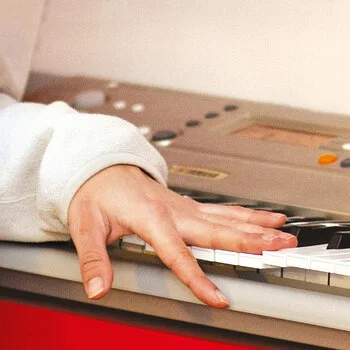
    As subtle as you wouldn’t expect club music to be, with DJ Pleads latest EP Relentless Thrills he succeeded to create something extremely deliberate yet captivating. A dense set of different arrangements makes up a total of 6 tracks, however, only a single instrument was needed – the Yamaha ‘Oriental’ keyboard.


    Instead of creating big built-ups which might ‘normally’ dissolve by a heavy drop or kickdrum, DJ Plead persistently increases musical tension within the course of his tracks. He implements interesting dynamics between the components. His signature: striking sounds of his Levantine Arab musical origins that resonate to patterns of synthesizers – a unique way to create those Relentless Thrills.


    With the first track, RT1, various keys are heard, a bass plays some easy going riff and you hear the recording of the start of an interview in Arabic – altogether these components sound like a rehearsal as if the musicians prepare themselves for the start of a performance – a “thrilling” but also unusual way to open up a record.


    If you are not already fazed by the intro, RT2 immediately draws you in by a bombastic dancehall bounce. A reverberating male voice is chanting in Arabic, which leads into singing. His voice meanders around the bounces and drum pattern. Alternatingly, a clarinet sets in, counter calling the voice. As well as the man’s voice the clarinet is of Levantine origin: a traditional flute called mijwiz, which is very popular in Levantine music. It produces a shrill and flattery tone. Even though the musical components come from different origins DJ Plead adjusted each one for them to turn out with a matching flair in which their differences stand in harmony to each other. And yet, a track which leaves you with a thrill as if you’ve just experienced an important chant leaving you with euphoria.


    The relentlessness goes on: RT3 expands into a more fluid and sensitive interplay between a flute and percussions, rounded up with abrupt cords of the keyboard. The tempo of the following two tracks, RT4 and RT5, decelerates into a highly sensual atmosphere, in which the clarinet devotionally floats around the some steady percussions – another relentless thrill.

    To complete the levels of possible thrills, Plead surpasses himself with his last track RT6: You hear a breeze of what might be the sounds of the mijwiz defending its position towards the sounds of a flattery and wavelike snyth pattern, that becomes more and more dominant in comparison to the clarinet. Listening to RT6 I instantly pick up the feeling of getting some strong chills down my back, which is slowly but steady spreading everywhere on my body- a feeling which no longer can be stopped and demands my full attention – relentlessly.


  • Monster Rally – Flowering Jungle

    Monster Rally – Flowering Jungle

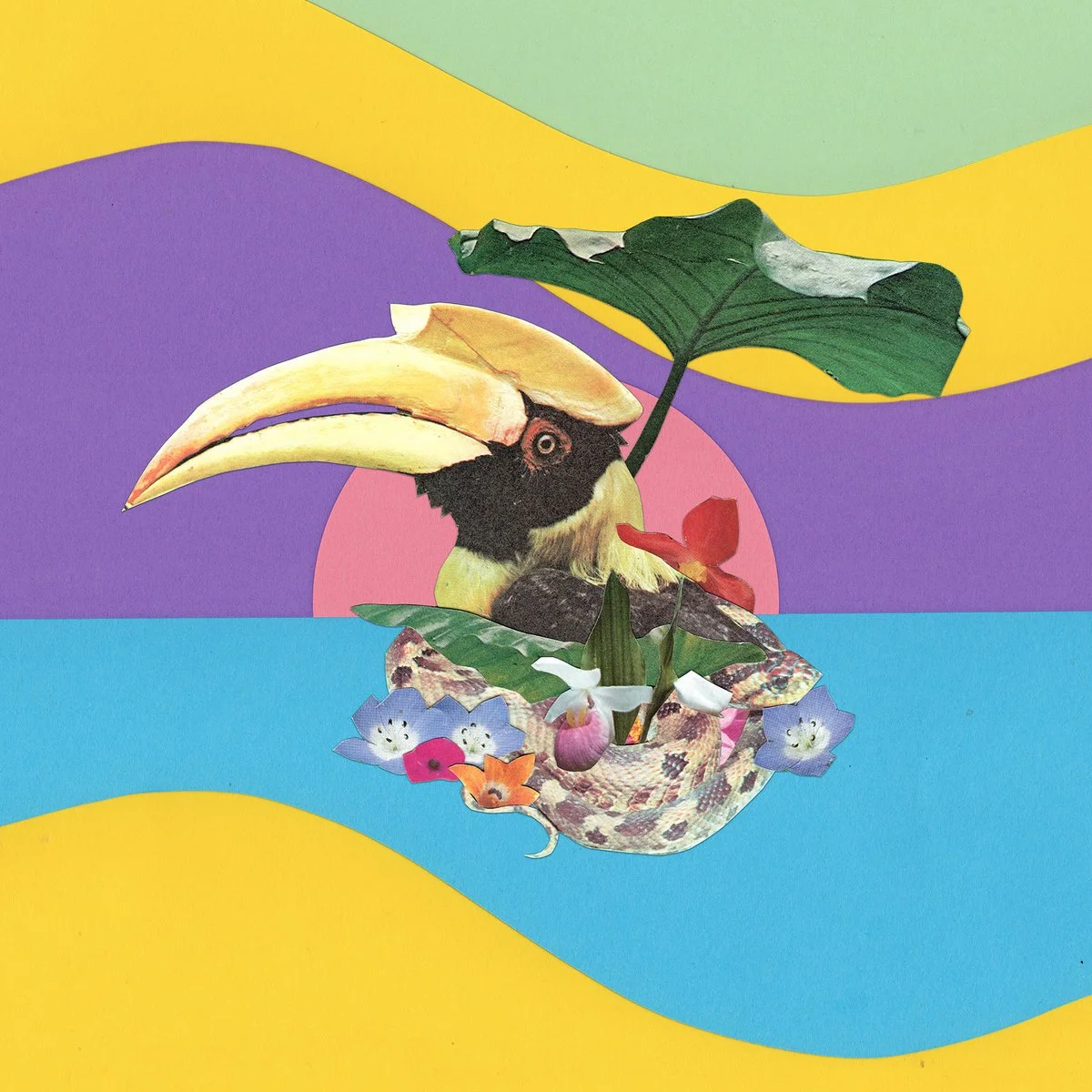
    Artwork Flowering Jungle

    „I want to be tropical Madlib” was Ted Feighan objective when he started his solo-project Monster Rally, tapping into the genre exotica. Having played as part of a screamo band called Driver Side Impact in Cleveland, Feighan’s sudden change of style to exotica music constituted a 180 degree turn. Exotica originated in the 1950s in the USA as a crossover of Brazilian/Latin American influenced jazz in the combination of intercultural music using instruments and musical elements from various preferably tropical, musical cultures.


    Originally, Feighan’s dream was for his band to succeed and become famous. A record deal was signed quickly and the band was soon able to go on tour. His dream became true. But ironically, when he actually lived his dream it turned out he hated this lifestyle. Having lived in L.A., he decided to move back to Cleveland after eight years, and quit the band. Back home, he was able to escape from his former life by creating music with jungle and tropical samples combined with an authentic vinyl texture, first steps towards forming out the identity and style of his solo project as Monster Rally. The sampling technique he sues originates from hip-hop, which becomes audible in the tracks „Toucans“ and „Tideline” of the selected record Flowering Jungle. Through picking out specific sequences of old records, musical collages are being developed. Feighan draws pictures full of bright colors and sun-soaked scenarios. You can identify the texture of the original vinyl, which complements each track with a denser profile and vintage flair.


    Beside his musical work, Feighan also works with art collages, for instance for the cover art of his records. „I’m working on both of them [collages and music] at the same time“, he explains in an interview with Mean Magazine. As well as the vinyl he discovers the collage material in many different places. In his own words „[Flowering Jungle’s] artwork mirrors this concept by featuring portraits of jungle birds in flower-adorned ’nests‘ overtop an abstracted flag of The Flowering Jungle.“

    Listening to Flowering Jungle, which was released in 2017, I can comprehend Feighan’s musical approach in imagining a peaceful getaway.


    „[Exoctica music was] a way to escape the grey and the anxiety and stress. I could just dive into these places and landscapes on the tropical records, and be somewhere different.”


    Thus, take „Niñas De La selva” as an example: Feighan uses a bouzouki guitar that becomes the essence of the track while a dreamy rhythm is put on repeat. One is invited to an imaginary world, where you can drift away free of any sorrows. Or you might get drawn-in to wanting to hit the dance-floor and swing to „Giant Leaves’” upbeat and sunny melody. One the one hand the sound is very chilled through a casual hip-hop sound aesthetic that emerges through loose drumming samples. On the other side the track is lighthearted through a loose piano sample. Feighan…


    „But it’s not so much about being in these places, it’s more about the fantasized idea of them. Even places that aren’t real. These days, everywhere has been discovered and people know about it. But what’s cool about these exotica records is that, when they first came out, this was how people learned about Hawaii and Polynesia. There was a mystique to them. They make you think about what a place might be, and that’s where the music takes you.”


    Follwing a similar approach to Feighan’s idol Madlib, who is seen to be the biggest crate digger across all genres, he is a passionate record collector, too, and buys more than he has time to listen to. He likes to dig through exotica records mainly from the 60’s and 70’s. His soft spot is finding records of different genres in order to find new forms of sonic aesthetics that have a previously unknown craziness for him. Then again, he sometimes gets drawn by the cover art of a record. In the end he loves the surprise what kind of music will await for him behind a cover art. Considering his humongous pile of records he buys to create a new album, it appears to be challenging to make his way through the material. „That’s one of the hardest things, cutting the music.”, he admits. „I have to trim it down to what carries the narrative.”


    Indeed, the album’s sound tends to repeat itself as all tracks normally follow the same pattern, so one might it find shallow: he cuts the samples, integrates them together and lets them spin and repeat themselves until the finish of the tracks. However, that is what might be necessary to brighten up your mind and to get that holiday feeling going: sunny melodies and easy-going beats to create some easiness through sonic light of the pictural sounds that Monster Rally creates. You can wander off with your thoughts because it does not matter as you do not have to accomplish anything at all whilst being on vacation.

  • Sudan Archives – Athena

    Sudan Archives – Athena

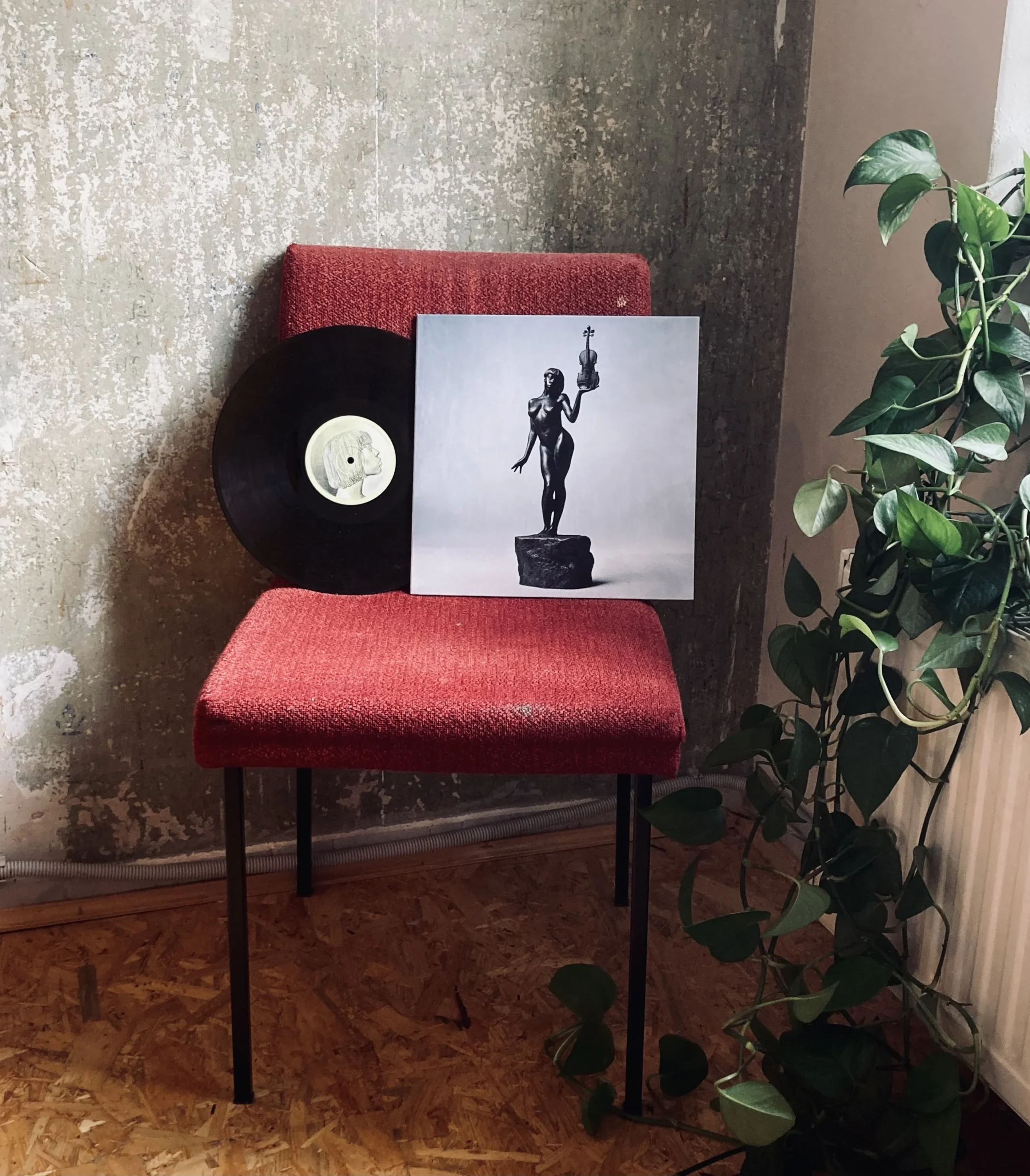
    Artwork Athena

    Gracefully Sudan Archives herself is depicted on her artwork for the album of the same name as the ancient Greek goddess Athena – as a dark shiny statue. In the Greek mythology Athena is the patron of wisdom, strategy, battle, art and crafts. With an undercut and a fringe Sudan Archives confers her own interpretation of her being the goddess of a modern touch. In addition, as Athena, she is also holding up a violin. By the image thus created one can sense what character the musical content will have – a charming R&B voice that meanders around the music, sticking close to the violin’s spirit. As her artist’s name gives away, her music is inspired by Sudanese folk music, however the rhythmical layout alternates between West African rhythms and Hip-Hop-beats.


    Going deeper into the album’s subject matter, its title „Athena“ also alludes to the book „Black Athena“ by the British scholar Martin Bernal, in which he criticizes the extensive concealment of Egyptian and Phoenician influence on Greek antiquity – and thus on Western culture as a whole. Consequently, the covering-up of particular ideas takes center stage in the lyrics, alongside with her identity as a black woman living in the United States.

    Sudan Archives, alias Brittney Parks, was born in Cincinnati and is currently based in LA. Her stage-name consists on the one hand of the country of her birth, Sudan, on the other hand Archives which is a reference to her fondness for crate-digging. While she absorbed discovering new music, she also taught herself playing the violin in her childhood.

    In order to describe her story and identity, she moves back and forth among a variety of attitudes – elegance, confidence, optimism and despondency.

    The track „Confession” shows her deponent side as she shares her exhausting experience of not fully knowing where she really belongs to. Though, once the confession is made, it seems like Sudan Archives rises above her struggles – likewise does her violin by playing swingfully along:

    There is a place that I call home
    But it’s not where I am welcome
    And if I saw all the angels
    Why is my presence so painful?

    Confessions are falling down
    Down
    Down
    They soak up the dark, damp ground

    From those sad moments, she moves on displaying confidence and optimism in a very strong fashion in „Down On Me”. The strings in it sound as if they try to respond to Archives melancholic voice. In the background you hear the plugging sound of the violin giving steady support. The interplay of her singing and the violin flourish together.


    Musically, the trademark of her own sound is the merging of multiple styles into one. Each of her tracks features Sudanese influences as performed by her on the violin. Throughout the album Sudan Archive’s violin will play along with a variety of different musical styles. In „Did You Know” tender plugging her instrument meets classical European string play and a 70s keyboard. „Iceland Moss” infuses R&B, trip-hop and dreampop with Sudan Archives dreamingly completing the arrangement.

    Another highlight and sudden twist is audible in „Glorious”: a surprising mix of Celtic fiddling and upbeat percussions get teared around with a feature by the rapper D-Eight.


    Considering the different styles and genres Sudan Archives integrated in Athena, I conclude that it must have been a challenging task to attain coherence and harmony within the record. There is no doubt that Sudan Archives is a very talented artist after listening to this record. You can notice that her violin has lbeen a long companion to her as it sounds quite naturally them playing together.

  • Rival Consoles – Overflow

    Rival Consoles – Overflow

    Overflow by Rival Consoles (alias Ryan Lee West) was originally composed for a dance production of the same name created by choreographer Alexander Whitley at the renowned Sadler’s Wells Theatre in 2019. Due to pandemic restrictions the performances came to a hault. They will hopefully be resume performing in 2022. As the dance piece the album Overflow examines our life in the age of Big Data – that being said, when I initially listened to this album I was unaware of the background of his album. Thus, I will not refer to Ryan Lee West’s sociological comment or try to adopt my writing to it, I will stick to my initial understanding of the music and how I perceived it.


    Rival Consoles’ music can create some fearful sensation. For instance, the track „Monster” sets off with a pulsating and repetitive deep sound as if you have discovered something extraordinary. Maybe you do not know if further steps will turn out to be risky or safe – but you go on either way out of curiosity or being fully captivated. The same structure is applicable to „Hands”: Obtaining its deep profoundness, it sounds like a cautious walk – a walk through some wide open space but with less gravity. Jingly sounds produce enlightening and gripping tension.

    „Touches Everything” falls into the same pattern, however, it highlights the darkest set of mood on the album. It contains a dark pounding bassline combined with high pitched shrilling synths where a dystopian feeling becomes realest.


    Additionally, there is another side to Rival Consoles’ musical approach. His tracks also transmit a moving sense of cheerfulness and confidence. Listening to „Pulses of Information”, in my imagination I see pulses of molecules and enlightening colours that emerge through the sounds of reverberating staccato synths who seem to drift back and forth to one another. A similar sensation, yet more floaty and with a vivid pattern, occurs in „Flow State” as it is packed with small but multi-facetted fast-moving elements. Right in the middle of the course of the track, a determined bass will turn the track around into a darker dimension, thus representing a mix of both approaches explained above – on the one hand the unsettledness and dangerous tension and on the other hand the cheerful and encouraging elements.

     Third, there is also a contemplative side of his music – melancholic and romantic in equal parts. For „I Like” he uses shreds of words as the main essence. The few words of a field recording, where a voice mumbles ‘I like, and they were like, It’s like, I mean it’s like, like when’ get torn apart throughout the course of the track. Even through the content gets muddled more and more, it still comes along with something meditative and not at all irritating as you might think at first.

    With „Noise Call and Response I” he lets tenacious sounds flow in together. Considering the slowness it lets you perceive each element spatially. To me it literally sounds like you can inspect the sound physically.

     It turns out that Overflow strongly speaks to me on a visual level as it enables me to imagine shapes that are in motion. You might perceive the music as something spatial and mentally float around through the music or move along with it.

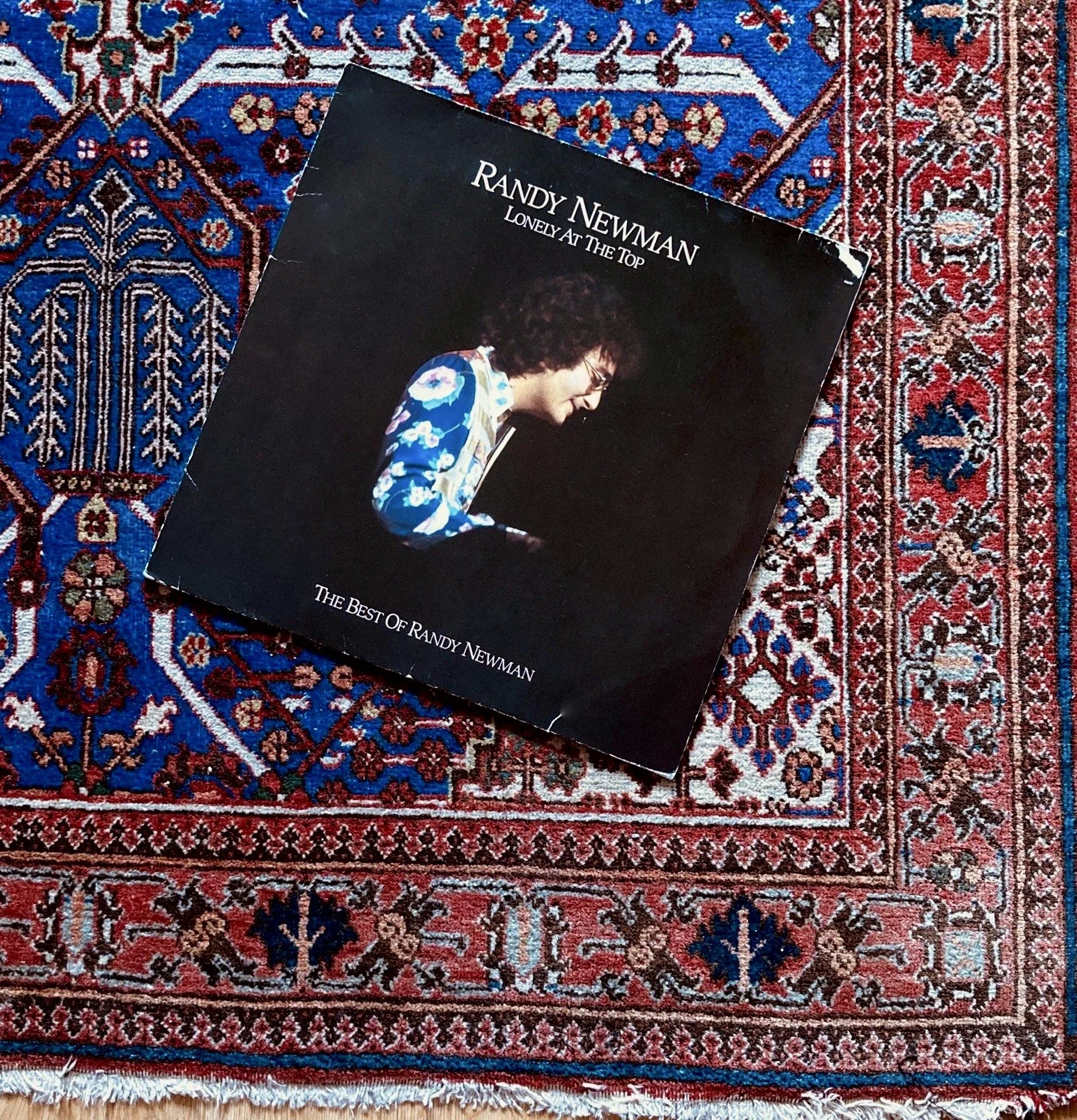
  • Randy Newman – Lonely At The Top

    Randy Newman – Lonely At The Top

    Writing about this music I am going down memory lane. The songs of the compilation Lonely At The Top by Randy Newman is the first music I remember perceiving. The LP is a compilation of Newman’s ‘best’ tracks ranging from 1968 until 1983. In this span of time he released 6 albums in total. Each of the records is focused on a particular topic and displays a dense set of issues that Newman addresses. Indeed, each of the record would deserve its own review to actually be able to cover the content, however I chose the compilation in particular, as I grew up with it and know it the best out of his records.

    As a child it was very exciting for me to discover sounds which previously I was unfamiliar with – even now, I can still relate to the musical perception I had as a child, and I still love to listen to Newman’s music. Considering I was born after Randy Newman composed his music its timelessness stands out above all. It is not only his melodies and musical arrangements that underline why one can ongoingly listen to it. Also, his complex lyrics still prove to be relevant to current topics. His focus lies on the American culture, history, people and its idea of “the American dream” in relevance to climate change, police brutality, veiled racism or machismo.


    Randy Newman likes to be extreme: extreme in the descriptions he finds worth criticizing; extreme in the use of satirical implementation and dark humor.

    For each of the topics he deals with through his music, Newman takes on the reality of the person he scrutinizes, and tells their stories. He creates some kind of lyrical impressionism, painting pictures or portraits of people to lay out their perspectives. Thus, enabling the listener as an outsider to this perspective to be able make sense of their reality. However, this also shines a light on the insanity of some of the questionable views and moral attitudes that (still) exist in the US American society.


    His cynical thoughts about “the American Dream” are best shown in „Sail Away”- a dream of a promised land as it might have been presented to black Africans during slavery. He writes from the view of a slave trader, who uses the American dream create an incentive.

    In America every man is free
    To take care of his home and his family
    You’ll be as happy as a monkey in a monkey tree
    You’re all gonna be an American
    Sail Away — Sail Away
    We will cross the mighty ocean into Charleston Bay

    Outspokenly in „Foreign Sience” he also criticizes foreign policies of the 70s at the time. An unknown narrator suggests to “drop the big one and see what happens”, highlighting chauvinistic mentalities against other countries.


    Asia’s crowded and Europe’s too old
    Africa is far too hot and Canada’s too cold
    And South America stole our name
    Let’s drop the big one
    There’ll be no one left to blame us

     Another big topic in his songs is racism which he brings out by portraying views long held in  the south of the US and their unreflective and glorifying hometown pride, for instance heard in the tracks „Birmingham” or „Louisiana 1927”.


    Such harsh and straight statements normally do not get away with any outrage of the accused: Even though his exaggerations, who were not at all subtle and suggest him being sarcastic, Newman often got misunderstood and taken at face value.

    Especially the song „Short People”, was misinterpreted by many of his listeners. As obviously exaggerated, he talks about short people, he denounces racism and narrow-mindedness:

    Short people got no reason
    To live They got little hands
    And little eyes
    And they walk around
    Tellin‘ great big lies

    „I have real respect for the intelligence of the audience”, Randy Newman said to the Guardian in an interview to make them think out of the box with his irony. „Ambiguity interests me because things aren’t black and white. I’ve always hated people who were sure they were right, on either side. I have to take sides, though. In a song like ‘My Life is Good’ I want people to notice that the guy is an asshole.” -And sure, the guys stubbornness and self-conviction comes across very clear, trying to impose how well everything is going for him by almost streaming loudly at the listener.


    As defiantly as Newman’s lyrics are, the musical arrangement also support the critic it supposed to deliver. So, the instruments in „Short People” play choppily as if they won’t listen and will stuck to their way no matter what. To highlight the glorification of hometown pride he uses pompus, orchestral arrangements to create a romanticizing feeling such as in „Baltimore“ or „Sail Away“. You could transfer this musical observation of his technique to any of his songs. He always finds the right tone of music to create a particular mood. Concerning the people he sings about, he finds the fitting melody or instruments to be able to highlight their characteristics and attitudes to make it as authentic for the listener.


    Being able to have the comparison of my child’s ears, Randy Newman’s music can get discovered through different approaches: Either, like a child, being overblown by the music, its orchestral sound, that tends to change its mood swings, which was so exciting to follow along. Then, which was not possible to capture as I child, you can focus on the wide range of topics, analysis and facts, which enables you to find out a lot of information, as authentic, informative but still entertaining at the same time.


    listen to the album

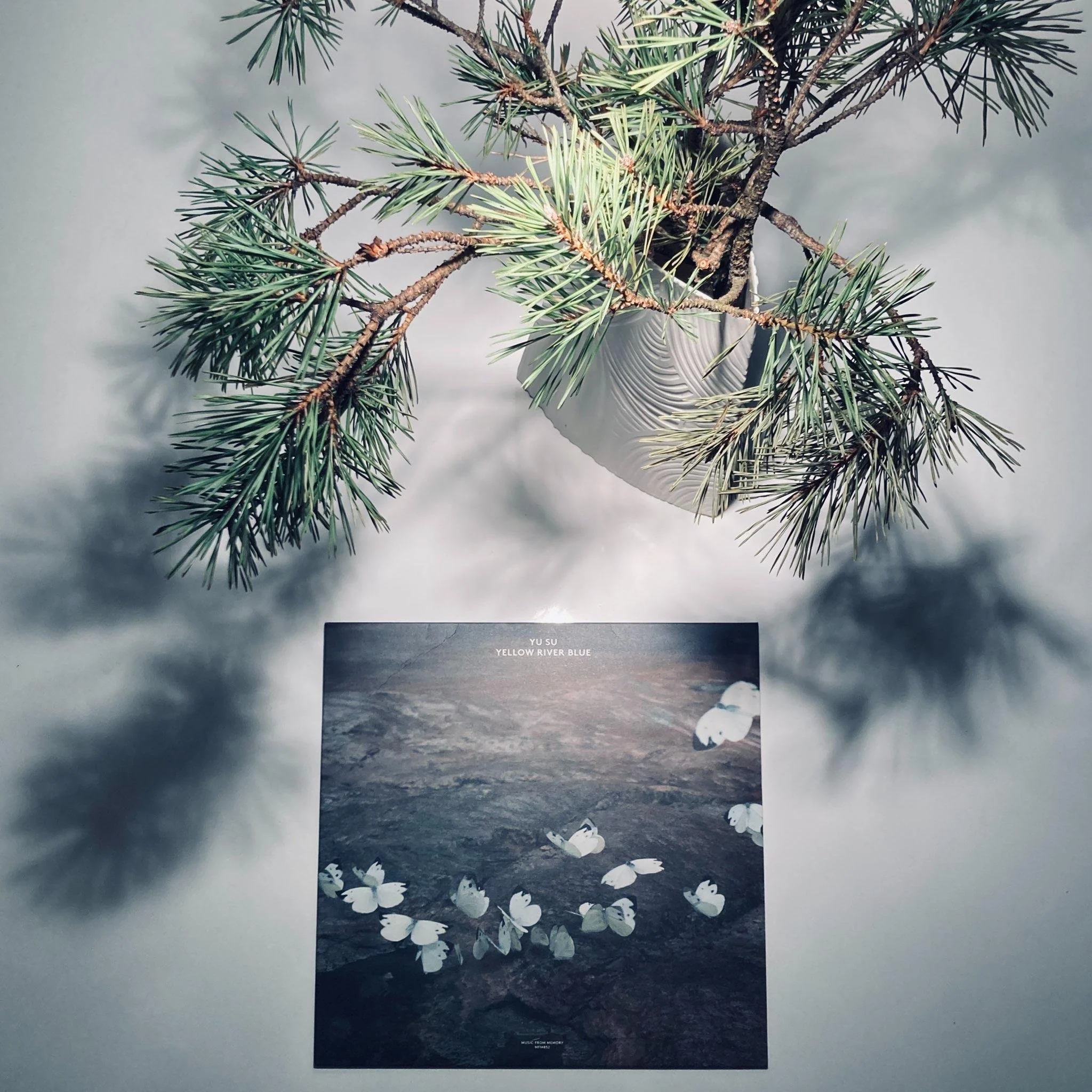
  • Yu Su – Yellow River Blue

    Yu Su – Yellow River Blue

    Artwork Yellow River Blue

    With „Xiu“, the opener of Yellow River Blue, you are greeted by a melody of a traditional chinese zither supported by a dreamy humming vocals of the artist Yo Su. The atmosphere is that of a warm welcome to her album. Yellow River Blue is based on a journey Yu Su embarked on 2019 back to her homeland China, where she was born but has since lived in Vancouver from 2013. Thus I see the said song also as an invitation to go on her trip which took Yu Su from China’s coast to the Tibetan Mountains. Going back to the track, after a gentle start the melody expands into a richer carpet of sounds. Soft drums and subsequently more and more synths tare together and with the final breakthrough of a beautiful baseline the vivid interplay continues to grow.


    „Futuro” takes us a step further. You hear special drum pattern once again indicative ofits Traditional Chinese influence. In between rustling, animal-like sounds can be made out, which set the track into a vivid scene: Am I wandering through a unknown jungle ? The sedative rhythm feels like I must carefully explore my surroundings, however the thrill behind the unknown makes it exciting.


    The same exciting atmosphere applies to the next scenery: „Touch-Me-Not” is a beautiful track in which Yu Su puts various flowy synths on to each other. Fore comes an atmosphere as if a river shapes into a glittery waterway on which a breeze of wind is blowing? A bunch of water currents flow alongside each other in which I try to track down each individually and observe this ‚game of water‘.


    Then, „Gleam“ will guide you under water into the river through dub sounds rendering everything blurry and unclear yet sprawling water. The track is underlined by a gloomy sound coming from a distance with the twist of sharp and jumping synths. This mixture takes me to a meditative, yet attentive state in equal parts.


    In contrast, „Melaleuca” pulls one away from nature. The setting might that be of a bustling city in which you experience some vivid nightlife on a stop of your journey through the country: Yu Su creates a cheerful dance track with a touch of 80s synth pop. In the middle of the track she seizes even more tension with some fast drum pattern boosting my mood even further.


    In „Kleid” shows Su Yu experimental side: a voice of a women that seems to monologize the same phrase over and over can be made out. Next to her, drums try to keep up with her, however it sounds like an exhausting task to fulfill. Is it a musical transition of a situation Yu Su observed on the streets somewhere she went?

    Our and the album’s journey ends with two calm tracks „Dusty” and „Melaleuca” – at night. A slow tempo enables us to process all these newly found discoveries.


    Throughout the album one common thread of how Yu Su approaches her music becomes clear: she merges a variety of different genres from ambient dub, synth pop to downtempo and gives each part its own note with the touch of her chinese roots. However, each track has its own main emphasis which enables Yu Su to generate a diverse set of tension. Above all, which might be the most important, Yu Su enables us to take part in her travels through the musical imagery she creates.

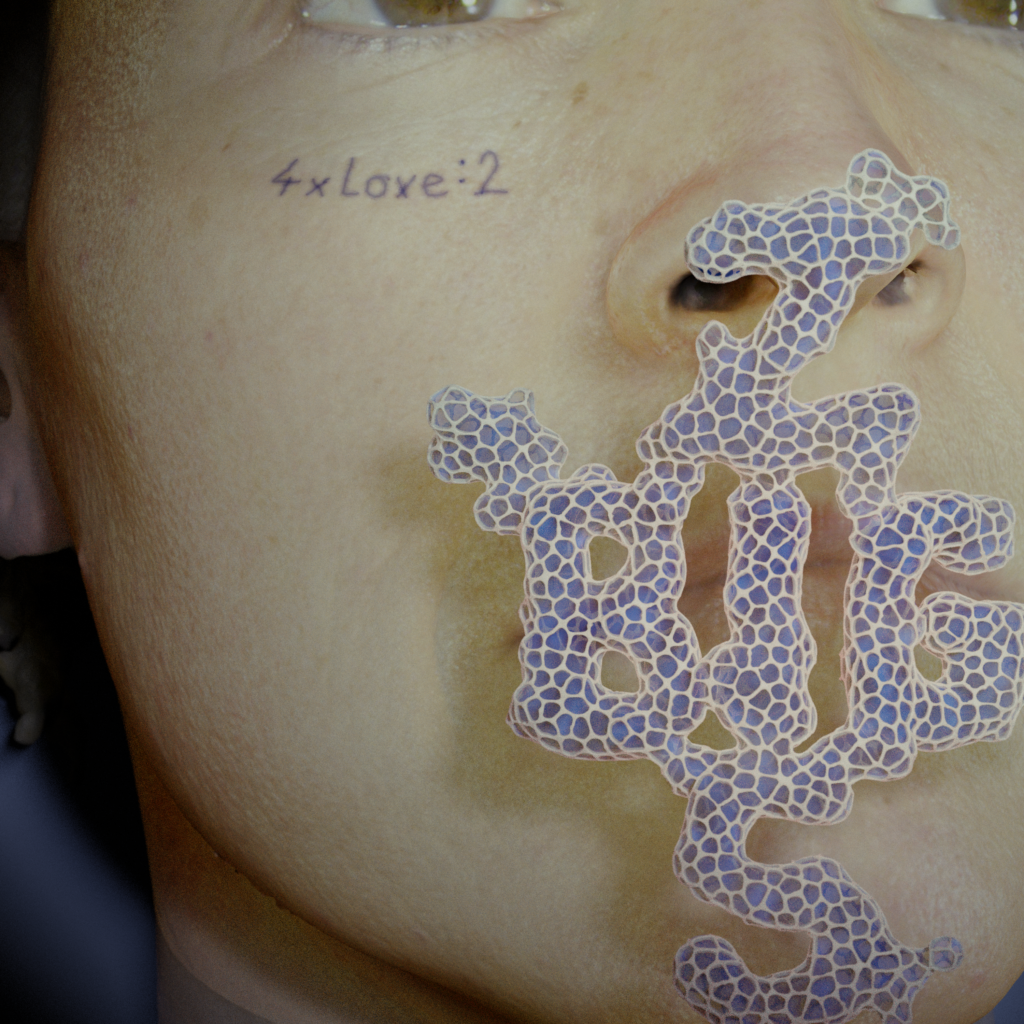
  • Big Zis – 4xLove:2

    Big Zis – 4xLove:2

    Coverart 4xLove:2

    Das Bewusstein für weibliche Künstlerinnen in der Rap-Szene wächst seit einigen Jahren stetig. Eine unter ihnen ist Big Zis, wobei sie alles andere als eine Rap-Novizin ist. Seit den 90er Jahren macht die Schweizer Rapperin nun schon Musik und mischt insofern schon eine ganze Weile in der Szene mit. Was heute mit Cardi B, Ebow und Shirin David vogue ist, wollte Big Zis bereits in den 00er Jahren durchsetzen und legte schon damals Wert auf feministisch zynische Texte.

    „Ich wurde als Feministin und Kampflesbe abgestempelt.“, sagt Big Zis in einem Interview mit der Züricher Wochenzeitung. „Jetzt ist plötzlich ein ganz anderes Interesse da“. Spätestens seit der Me-Too-Bewegung rücken Diskriminierungsthemen auch innerhalb der Rap-Musik mehr und mehr in den Vordergrund – Für weibliche Rapperinnen ergaben sich neue Impulse sich Gehör zu verschaffen und verstärkt über ihre eigene Betroffenheit sexistischer Diskriminierungen zu rappen, was längst an der Zeit war!

    Rap kann nämlich vor allem eines sein: sich dem eigenen Diskriminierungsthema widmen und so gegen das `Feindliche‘ abheben – also perfekte Zeit für Frauen in der Kampfzone des Raps zu brillieren. Und genau das macht Big Zis auf eine sehr integre Art, indem sie sich in ihren Texten aktuellen feministischen Themen ironisch und zugleich kunstvoll widmet.

    Ihr letztes Album 4xLove:2, das 2020 erschien, spannt einen großen Bogen über essentielle, feministische Themen. So rappt sie in „iCare” über unterbezahlte Care-Arbeit, in systemische Nachteile ignoriert und Arbeitskräfte ausgebeutet werden. Weiter geht Big Zis auf die Widersprüchlichkeit ein, die es als Betroffene auszuhalten gilt:

    ich han Not drum iCare (ich habe Not, deshalb iCare)

    ich han Härz drum iCare (ich habe ein Herz, deshalb iCare)

    
ich han Hirn drum iCare (ich habe ein Gehirn, deshalb iCare)

    …
ich han Muet drum iCare (ich habe Mut, deshalb iCare) […]

    nie nie fertig drum iCare (nie nie fertig sein, deshalb iCare)

    ich versorg und ich bach (ich versorge und ich bade)

    es isch klarer als klar (es ist klarer als klar)

    
ich sorg und bin da (ich sorge ich bin da)


    das isch nöd unbezahlbar (das ist nicht unbezahlbar)

    Mit „FCV” (Funky Cool Vagina) persifliert sie den äußerst sexistischen Song Funky Cold Medina aus den 00er Jahren und transformiert ihn in eine Ode an die weiblichen Geschlechtsteile. Als würde das nicht schon ausreichen, baut sie ungeniert eine weiteres Wortspiel ein, indem sie die Passage „Girls Just Want To Have Fun“ des gleichnamigen berühmten Song zu einem „Girls just want to have fundamental rights“ umwandelt.

    In „To Bling to Plong” befasst sich Big Zis mit einer feministischen Kapitalismuskritik. Sie rappt, inwiefern sich wirtschaftliche Interessen die weibliche Fruchtbarkeit zu eigen machen und den Wert einer Frau festlegen. Ihre Darstellung ist zwar sehr überspitzt formuliert, aber in ihren Worte steckt ein wahrer Kern.

    si verbuecht und schöpft im Chreissaal (sie verbucht und schöpft im Kreissaal)


    ire Konjunkturzyklus isch am boome (ihr Konjunkturuyklus ist am boomen)

    
iri Wirtschaft am blüe blüeh bloomä (ihre Wirtschaft am blühen, blühen)


    si dä Fertilitäter Trägerin vo Realitäte(sie ist die Fertilitätsträgerin von der Realität) […]

    whou was füres Gschäftsmodäll (wow, was für ein Geschäftmodell)


    ire Zyklus isch Chreislauf vom Gäld (ihr Zyklus ist ein Kreislauf von Geld)

    Si hät über Nacht Eigekapital 
(sie hat über Nacht Eigenkapital)

    Unterstützend zu dem Inhalt des Songs hat ihre Stimme etwas Warnendes, die zusammen mit einem elektronischen Klangteppich eine sehr bedrohliche Stimmung entstehen lassen. Im Refrain hingegen singt Big Zig wie ein naives, verträumtes Kind, das nichts ahnend an einem Glockenspiel klimpert.

    Ein weiteres, und das wohl wichtigste Thema für weibliche Rapperin greift sie in ihrem Track „Miss Ding” auf. Darin macht sie eine zynische Anspielung auf den Vorwurf, den bestimmt die meisten Frauen in der Rap-Szene zu hören bekommen: sich von bestehenden Ideen männlicher Rapper zu bedienen, und es zu wagen, sich als Frau der Szene anzueignen – der Vorwurf einer Art männliche Appropriation!? Oder sie stoßen auf das Gegenmodell, lediglich auf die Rolle der Frau reduziert zu werden und sich demgegenüber behaupten zu müssen:

    ejakule dasch mini Munition (ich ejakuliere das ist meine Munition)

    ja ich bin reduziert (ja ich bin reduziert)

    
ja ich han dich reduziert (ja ich hab dich reduziert)


    ja ich han reproduziert (ja ich hab reproduziert)


    ja ich bin domestiziert (ja ich bin gezähmt)


    Hört man sich die 11 Tracks des Albums an, so wird, wie so oft, klar, dass es noch vieler solcher Diskurse braucht und sich Personen zu Wort melden, um wirklich wahre Veränderung zu bewirken. Big Zis bestreitet diesen Kampf seit Jahrzehnten, obwohl sie als Einzelkämpferin lange Zeit damit alleine war. Heute kann sie sich wenigstens über regen Zuwachs von weiblichen Rapperinnen freuen, die auch zum Mikro greifen und gegen sexistische Diskriminierung rappen, um die Rap-Welt aufzumischen und bestehende Verhältnisse zu ändern.

  • Anthony Naples – Club Pez

    Anthony Naples – Club Pez

    Club Pez marks the latest EP of the New York- based producer and musician Anthony Naples. He is seen as an artist who doesn’t follow any particular genre boundaries and likes to juggle around with numerous influences. Previously he composed an ambient album, released disco focused sounds in his early career, but also offers classic house tunes lying within the so-called Leftfield spectrum. Now, as the name of his latest EP suggests, Anthony Naples takes us on a club night out that, as we all have experienced in the last two years of a global pandemic, have long been on a hault. In his words, the tracks on this EP are supposed to “express a state of optimism and excitement for club and dance experience equal parts and totally imaginary.”

    Thus, I invite you to imagine yourself on a night out – finally, after a long period of being restricted not to go clubbing. You have waited more than a year to experience the long expected club reunion. You have prepared yourself to queue up early in front of the doors and take part in the excitement of that pre-club moment: Everyone has dressed up extravagantly, eager to get in. You see people coming out of the club, trying to detect on them of what is going on behind the walls of the club. Thrilled by having passed the bouncer you decent the stairs that will lead you to the main dance floor. You can already hear a deep vibrating, pulsing sound. Once you open the thick doors, that blocks up the outer world from what is happening inside on the dance floor, an enormous wave of heat, thick air, voices and hustle overlaid by the pulsating music hits you. In my mind it is at that moment that I hear the track „Pez Anthem“. Its raw character will push you immediately on the dance floor to join in with the dancing. The track’s perky spirit comes forth through rumbling drums where I just want to bounce to. Its acidy sounds seem to explode and create a sensational moment.

    Naples‘ instinct to reflect this magical moment are also perceivable in the three other tracks. With the entry „Bonk” he firstly animates the dance floor with a beating baseline and euphoric sythns. „Drops“ brings forth a dark but steady deep drumming pattern with the twist of some ecstatic illuminating synths. „Club Anthem“ marks the peak of the EP, or relative to the peak of a club night. It is packed with screeching sounds, rumbling drums. The track reaches its finale with some acid tunes. „Uni Vibe” might suggest Anthony Naples audible memory of his time at Uni as it recalls familiar tunes that were popular 2 decades ago lying in the typical Tech-House of the 2000s. The last track „Solero” takes on the same vibe, rounding up the EP with some steady deep-house tunes that expand into a darker shade sending off the club guests into the night which probably hasn’t found its end yet.

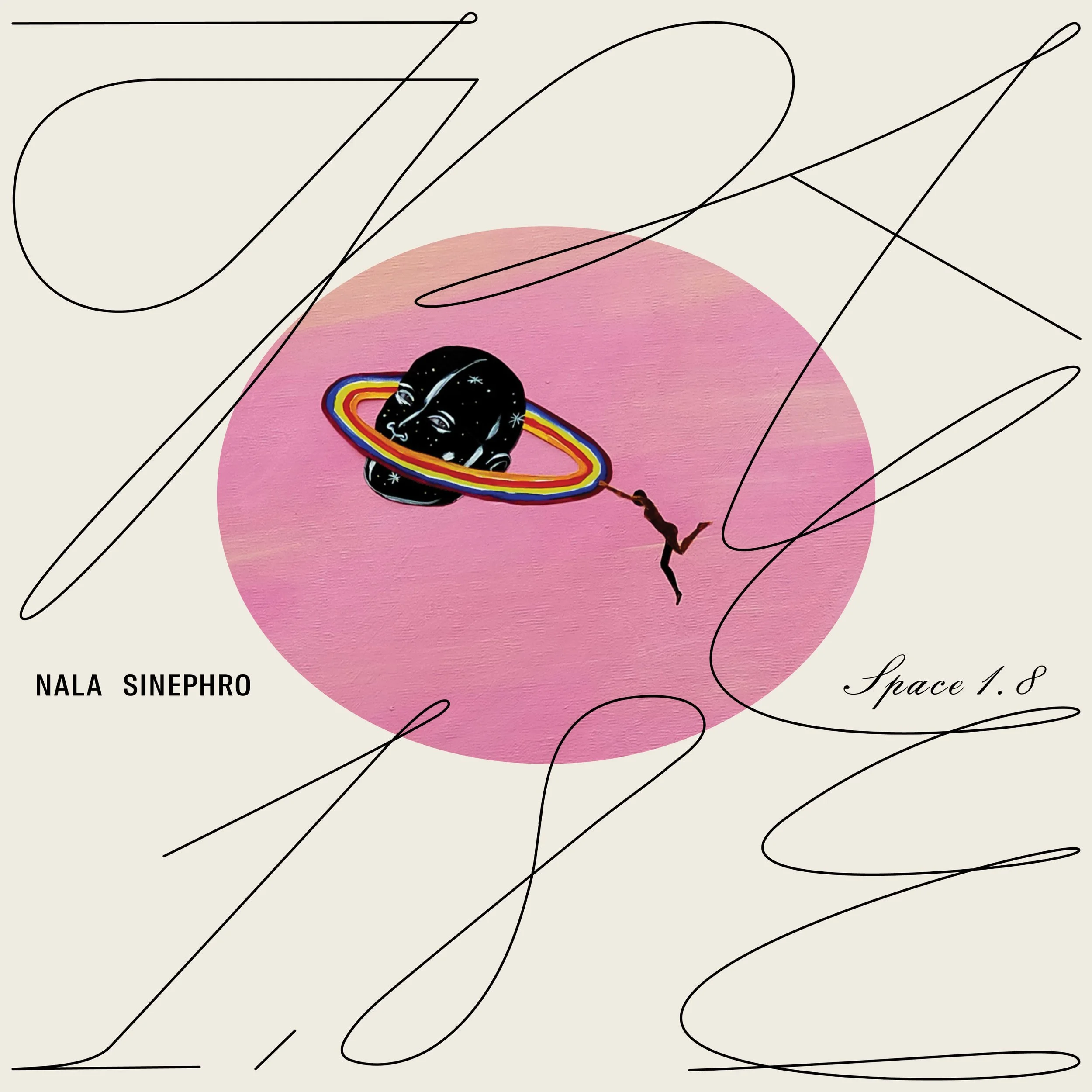
  • Nala Sinephro – Space 1.8

    Nala Sinephro – Space 1.8

    The recent debutant of Warp Records, Nala Sinephro can be immensely pleased about the outcome of her first album. All the work required for it to get published was done by Nala herself. The Caribbean-Belgian artist composed, produced, performed, edited, recorded and mixed everything herself – at the mere age of 22. Having already started studying jazz when she was 16, with Space1.8 Nala convincingly shows that typical categories of skills and experience do not seem to apply to her. Respectfully, one should also acknowledge that she recorded the album after having overcome a tumor. Space 1.8 displays Nala’s progressive approach to combine contemporary jazz and ambient through the assemblance of a pedal harp and modular synths, both of which she plays herself. To her own musical input she adds some of her friends as well as prominent guest appearances- John Hassel on the horn, the saxophonists James Mollison and Nubya Garcia and the drummer Jake Long.

    The first out of 8 sequentially named tracks, „Space 1” awakens you with warmth: a sunrise emerges and builds up into bright sunlight, accompanied by the lucent sounds of a harp that prepares the way through the album. Then, „Space 2“ perfectly introduces you to Nana Sinephro’s trademark to combine modular synths and jazzy arrangements, under the guidance of a saxophone –  a warm welcome for the audience that just started listening. Over the course of the track the instruments increase in speed to intertwine with each other. Once the synths take over the lead, the listener gets pulled away from the coherence that the instruments just have obtained, preparing us for the next track.

    „Space 3” that functions as an imprupt interlude, feels to me as if the instruments have suddenly changed its mood. The instruments push each other more into confusion and into hecticness. However, considering the song’s length of 1.15 minutes, I interpret its purpose as an example of a sudden but temperate outburst one can have. Thus, after hitting one’s emotional peak, there is room to compose oneself again, which the following track „Space 4“ might suggest: a peaceful but contemplating piano takes over to calm the waves until the saxophone and the drums lift up the mood by playing confidently. The soli of the saxophone was written for Nubya Garcia who is currently the most sought-after saxophonist in the UK. „Space 5” comes as a surprise and is probably the best example of Nala Sinephro’s talent to combine jazz with ambient. I hear so much life bustling around. Each of the living being she formed, has its only individuality, thus displays its own sound. They unify in being as divers to another, just like in an ecosystem.

    With „Space 6“ comes forth another spectacular outburst, however, this time of a different nature: throughout, the interplay of drums, a saxophone and synths intensifies as if the instruments want to raise their voices full of anger and discomfort: the drums play hectically on their hi-hats while being in an emotional conflict with the saxophone, where both instruments mutually drive each other on.

    After the short interlude which is „Space 7”, where a harp mingles around some synths, you find yourself in a great relief of „Space 8“‘s meditative closure within its 17 minutes – my personal highlight of the album. It transmits having overcome emotional distress, finding tranquility within yourself and your surroundings. When I listen to „Space 8” I find myself floating through peaceful space. Maybe that is how a perpetuum mobile could sound? An eternal movement in complete balance, where there is no need to change or improve anything, it being the result of its harmoniusly assorted elements?