Kategorie: long reads

In-depth album reviews: the story behind the record, track by track.

  • Arlo Parks – Collapsed In Sunbeams

    Arlo Parks – Collapsed In Sunbeams

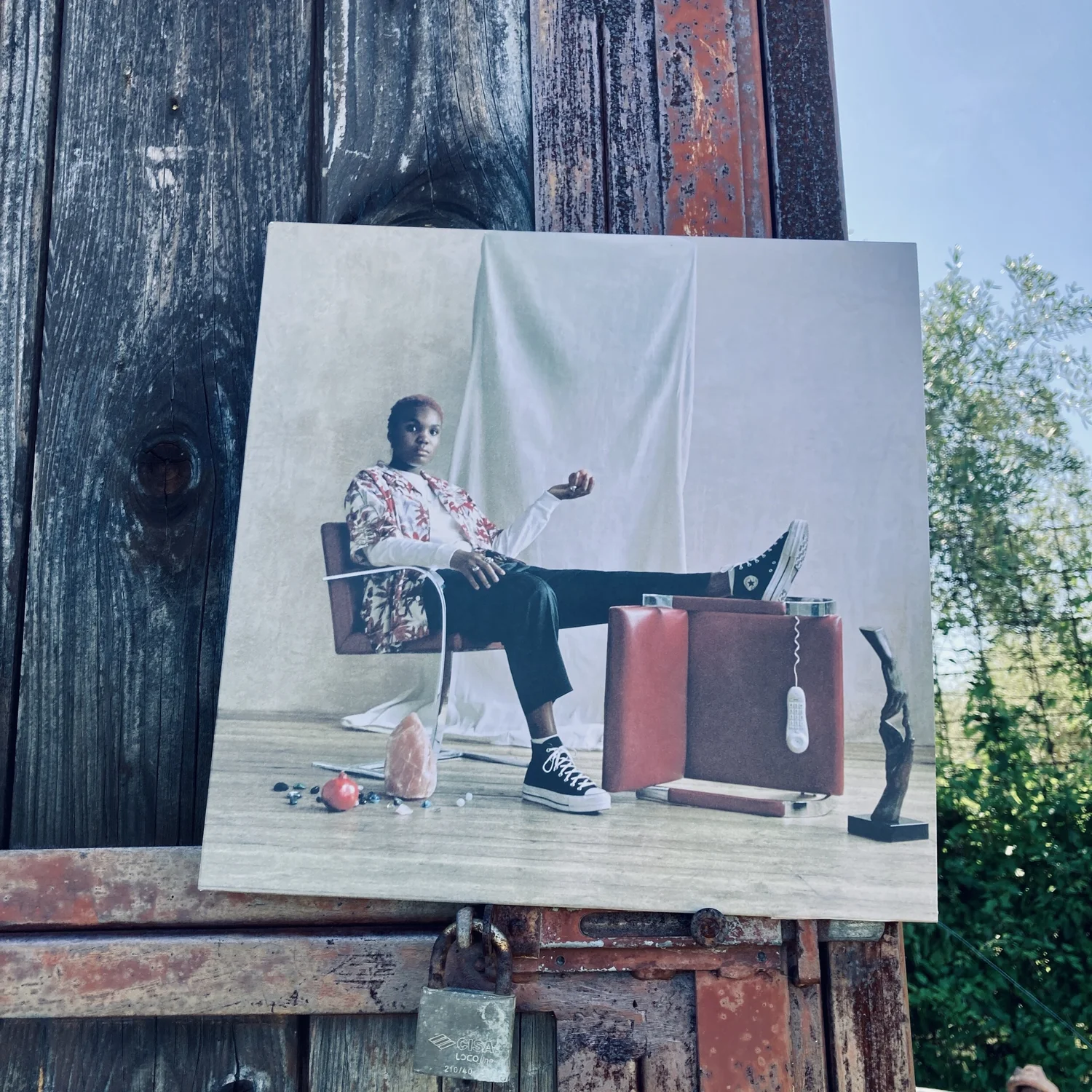
    Artwork Collapsed in Sunbeams

    Artwork Collapsed in Sunbeams

    Contemplating, thinking, sorting oneself out:  mental processes full of sorrows and nerve-wrecking thoughts are put down on paper and into melodies by the singer Arlo Parks: the result sounds somehow therapeutic –  distancing herself from these difficult feelings. I see it as a pretty brave act to be as frank as Arlo Parks in her debut album Collapsed in Sunbeams, sharing her inner voice and thoughts to the outer world. Her music avoids any specific genre classification, but her focus is best described in lying in between Spoken-Word, schemes of Hip-Hop, Soul, Emo and some electronic elements.

    cc Rolling Stone

    cc Rolling Stone

    Already in her early 20s Parks had to cope with some big setbacks: the experience of not being able to fit into this world to the extent of feeling like the only one stuck with those problems. These supposedly weaknesses of her identity- being an outsider at school, living in London with a migration background and coming out as bisexual, having to suffer from depression- are all addressed in her songs. A lot to take in for anyone who already has to get through “normal” issues during adolescence.

    As intimate as her lyrics is the way she produces her music: Having started writing at an early age of 13, she also taught herself how to play the guitar. During lockdowns in 2020/21 she then started recording songs in her bedroom, which resulted in this piece of music.

    As accurate as Arlo Parks describes her inner self, she also seems to attentively observe her environment and the conflicts of her generation, the “Generation Z”, the “Generation of anxiety” and its’ tendency to face a lot of mental health issues: Hurt describes a boy having to cope with an addiction; Black Dog is an analogy for depression: “It’s so cruel/ What your mind can do for no reason/ I take a jump off the fire escape/ To make the black dog go away/ At least I know that you are trying/ But that’s what makes it terrifying.”

     I have read somewhere that her music sounds monotonous! Yes, I agree, but definitely not in a negative way. Therefore her music and the topics she brings up will get transmitted so perfectly. Her soothing and tender way of singing sounds really like her voice is wrapped in cotton wool, creating something between a dreamy but also indolent mood, underlining severe and devouring topics of a generation who might need some more easiness in their lives. By being so open and intimate she creates a sense of community to those who might have similar obstacles to defeat, which is exactly what lost, anxious and depressed one’s need: support, comfort, a sense of belonging and ways how to get out of a crisis.

    Two further tracks that will defenitely get stuck in your head:

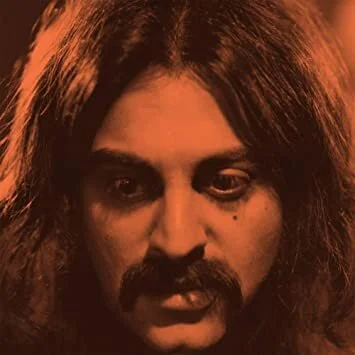
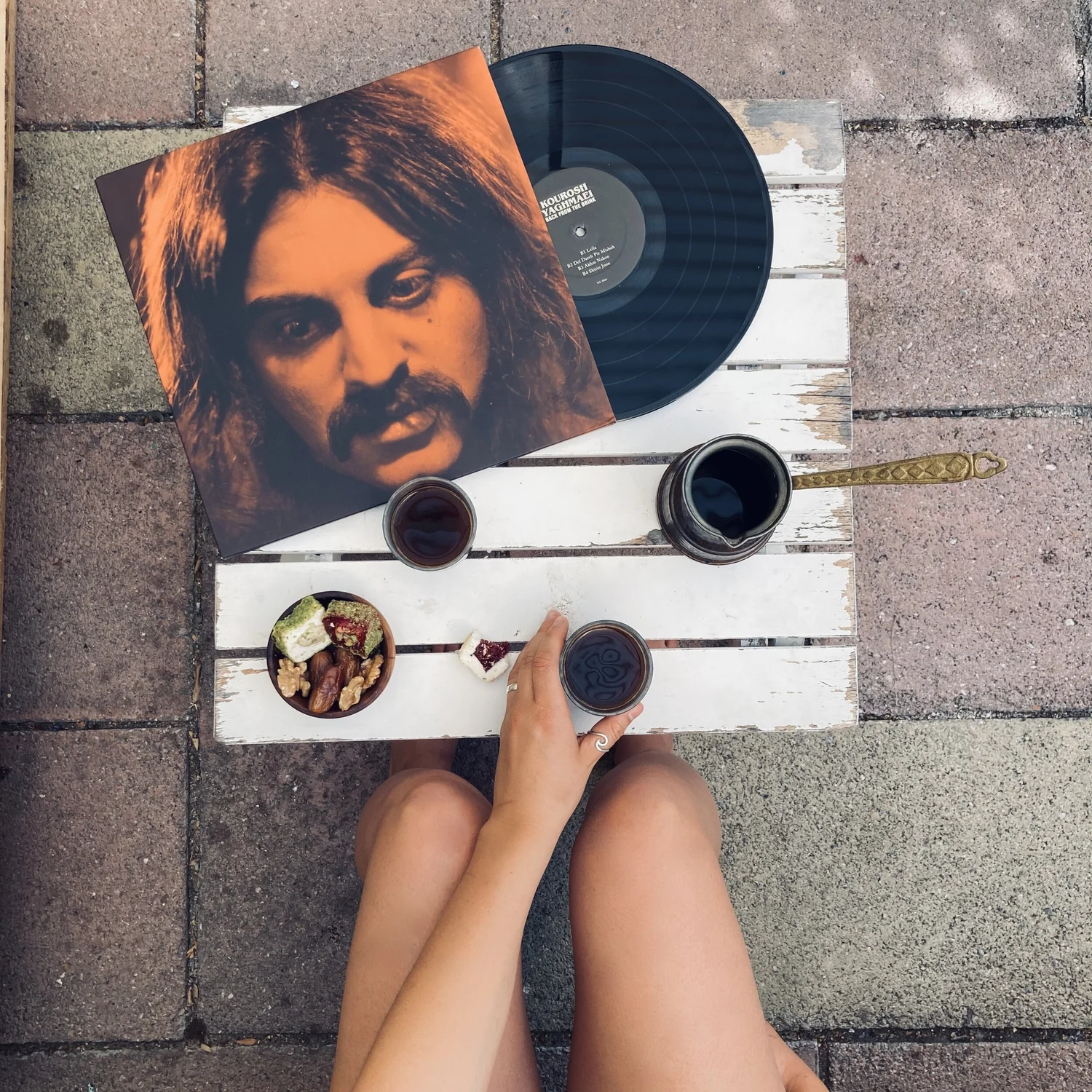
  • Kourosh Yaghmaei – Back From The Brink – Pre-Revolution Psychedelic Rock From Iran: 1973-1979

    Kourosh Yaghmaei – Back From The Brink – Pre-Revolution Psychedelic Rock From Iran: 1973-1979

    Artwork: Kourosh Yaghmaei

    Artwork: Kourosh Yaghmaei

    Back From The Brink – Pre-Revolution Psychedelic Rock From Iran: 1973-1979 is a unique musical witness of that said period, an album which had been banned in Iran for a long time. Its composer Kourosh Yaghmaei is arguably one of the most important modern musicians of Iran. Discovering the original tapes of Kourosh, opened up a significant opportunity to rediscover some of Iranian history which wasn’t accessible for over 17 years due to the bans. His songs got reproduced by Now Again Records specializing on re-releases and rarities.

    So, one could say that this LP works like an historical document tracing back a time and place which was long unacquainted for many, in particular witnessing Iranian’s diversity in rock music. Kourosh himself hid his recordings once the Iranian Revolution had started. The government which came to power in its wake, following religious and socially conservative as well as an anti-Western policies, banned amongst others any kind of western music from national radio and television. For the government music was considered a threat towards supposedly “corrupting Iranian youth” and robbing them of their “strength and virility”.

    Most of Kourosh’s songs are a combination of Persian classical poems, his own lyrics, and contemporary poems all put together with Persian traditional music, Iranian folk, blues and psychedelic rock. Between 1975 to 1979, Yaghmaeis recorded 24 songs in total. 17 of those songs were collected in two albums named Hajm-e Khali (1975) and Sārāb-e Toe (1977) released in cassettes. The remaining 7 songs were recorded in the pre-revolution riot period between 1978 to 1979. With no right to carry out his work he was seen as a state enemy and wasn’t allowed to record or perform his music. However, he instead composed music for children and taught music lessons, both undercover. Only in 1997 restrictions began to loosen and access to western music was possible again, thus Yaghmaeis released 5 records in a very short period of time. In 2005 with no particular reason Yaghmaeis Music got prohibited again and his latest album got confiscated by the government. Due to his records being under heavy censorship in Iran until now, Kourosh now runs a private music school and studio in Tehran.

    Even though not being able to understand a word, while listening to the songs you will perceive and understand exactly what the songs want you to feel. I find it ever so fascinating that the combination of the music playing, thus its harmonies, the tone and intonation of the voice will normally accomplish the same reaction or feeling at its recipients without having to understand the language.

    Most of the tracks leave one dreamful and bewitched. His songs contain lovely piano melodies, easy guitar jams, always accompanied with Kouroshs’ trademark singing. The first track will probably demonstrate this the best: Yole Yakh; it was written by Mahdi Akhavan Langeroudi, who was Kourosh’s friend at university and is one of the most significant modern Persian poets. It carries oneself away through the playfulness of the piano, the floaty guitar and Kourosh’s poetical singing.

    Saraabe Toe and Leila belong to the same sound spectrum, thus two great lyrical songs coming along with a deeply heartbreaking note, which is noteworthy on a first listen.

    Saraabe Toe:

    Leila:

    At the same time however, there are also electric guitar jams, thus purer rock tracks, such as shown in the track Gazhal: it contains some vivid electrical riffs, “tablas” drums and a tambura, followed up by the track Tavalode Yek Seda, in which Koroush almost showcases any genre that he was influenced by – combining funky elements with psychedelic guitar melodies. However his lyrical way of singing never changes. It is the key to his music and recognition value.

    Gazhal:

    Tavalode Yek Seda:

    A lot more tracks could get pointed out of the 21 tracks in total, however it is still best to put the record on, leading you to some really great jam, devoted lyrics, being able to catch a sight of a different Persia in contrast to the picture that might have stuck in our heads.

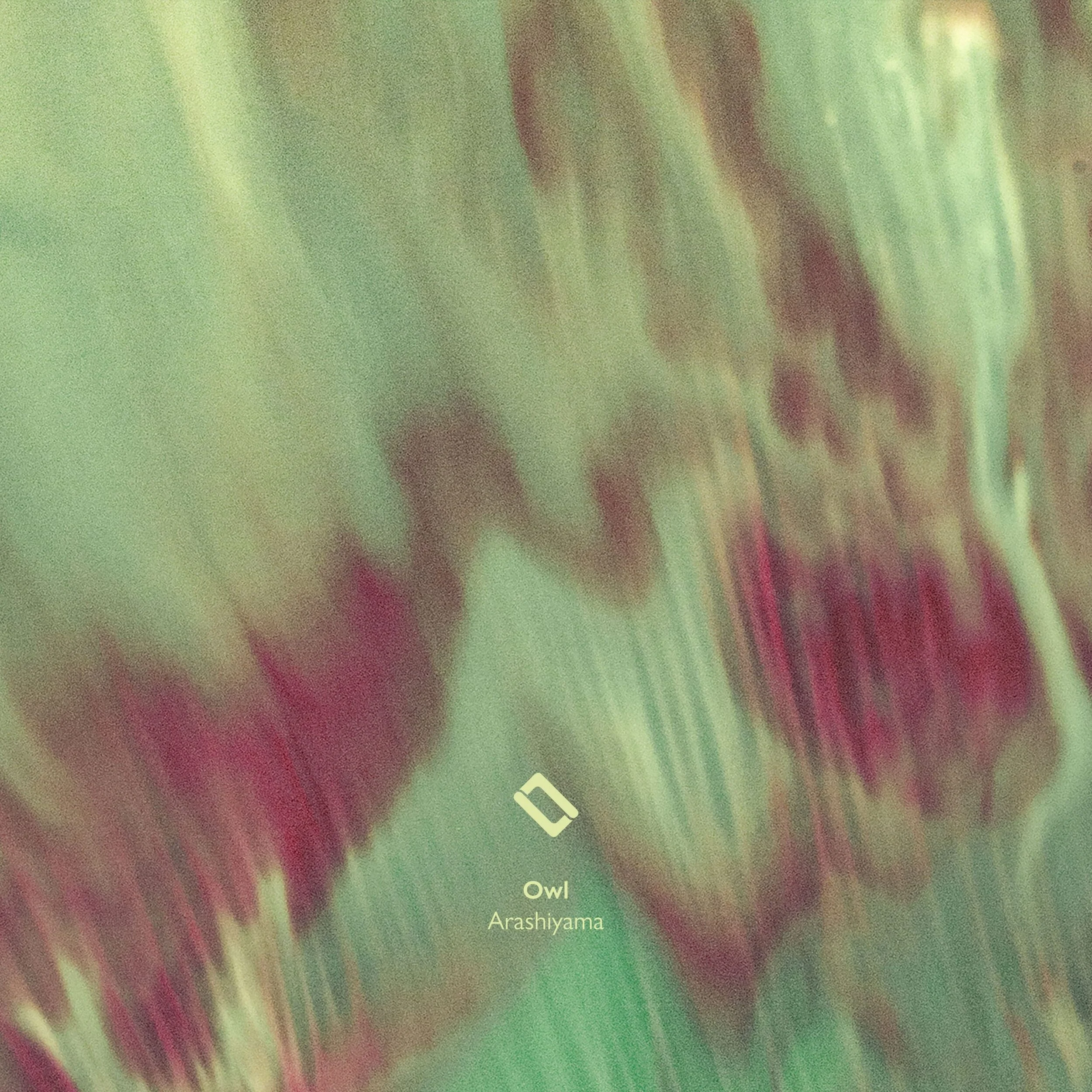
  • Owl – Arashiyama

    Owl – Arashiyama

    © Lowless Bandcamp

    © Lowless Bandcamp

    Unfortunately I don’t have this EP on my record shelf as the record was sold out in just a few hours after its release through the Paris based Label Lowless. Lowless focuses on Ambient and Deep Minimal; genres I absolutely adore and never get tired of listening to.

    © Lowless Records

    © Lowless Records

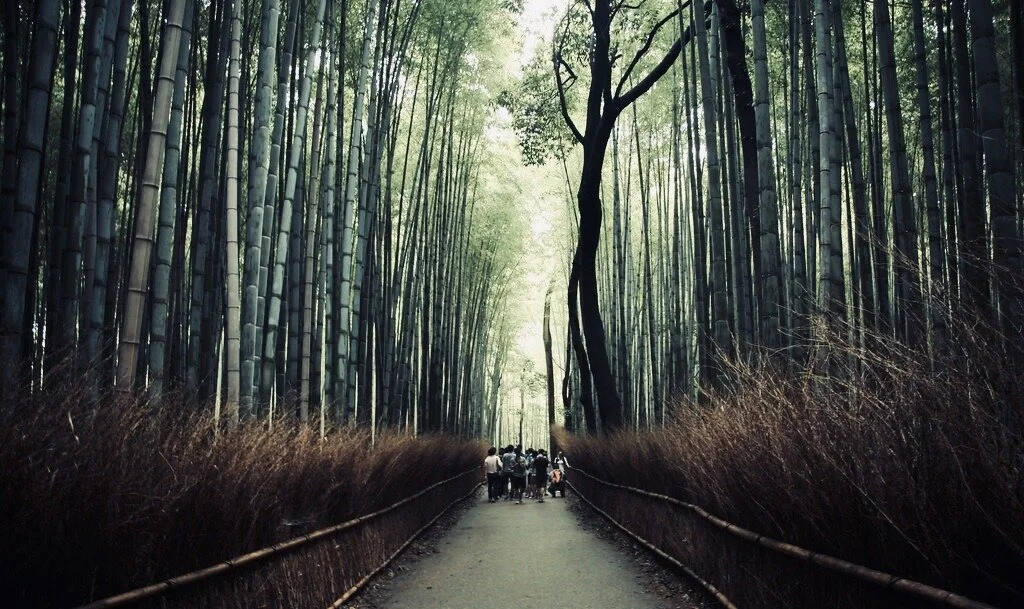
    One of the artists, Owl and his release of 2019 Arashiyama is a worthwhile flagship model of the Lowless label and has some really promising deep tunes packed in its 4 tracks. It starts off with a very calm ambient entry: The mistiness of False Dawn: Triangle sounds, percussions, whistling, some bird sounds. As if someone is standing on a deserted glade and spots some shy birds rushing back into the deep woods to hide away. Bamboo Pillars follows up next and is the most powerful track of the EP: You hear some soft nature recordings. I can spot small, vivid birds, some windy sounds perceiving a dawny atmosphere. Then a strong and deep bass sets in, leading on with a minimalistic melody of a keyboard. The melody smoothly expands more and more, always accompanied with discreet nature sounds. For me it reflects the beauty of overgrowing nature and how it is able to cast a spell on oneself.

    The more speedy deep techno-beat of Void Grasping, and as the title might suggest, comes along with a sense of uncertainty, or even contemplation. Once again a pretty powerful sound experience.

    The EP closes up with a relatively standard deep-techno track Across the River, though its vibrancy complements the three last tracks with an upbeat finish.

    With this record the artist Owl takes us through the woods of the Arashiyama valley, which lies at the foot of the Storm Mountain, ”嵐山“, surrounded by the Ōi River and a bamboo thicket. It is impressing how Owl manages to visualize these unique surroundings through his music- Arigatō!

    © filckr.com

    © filckr.com

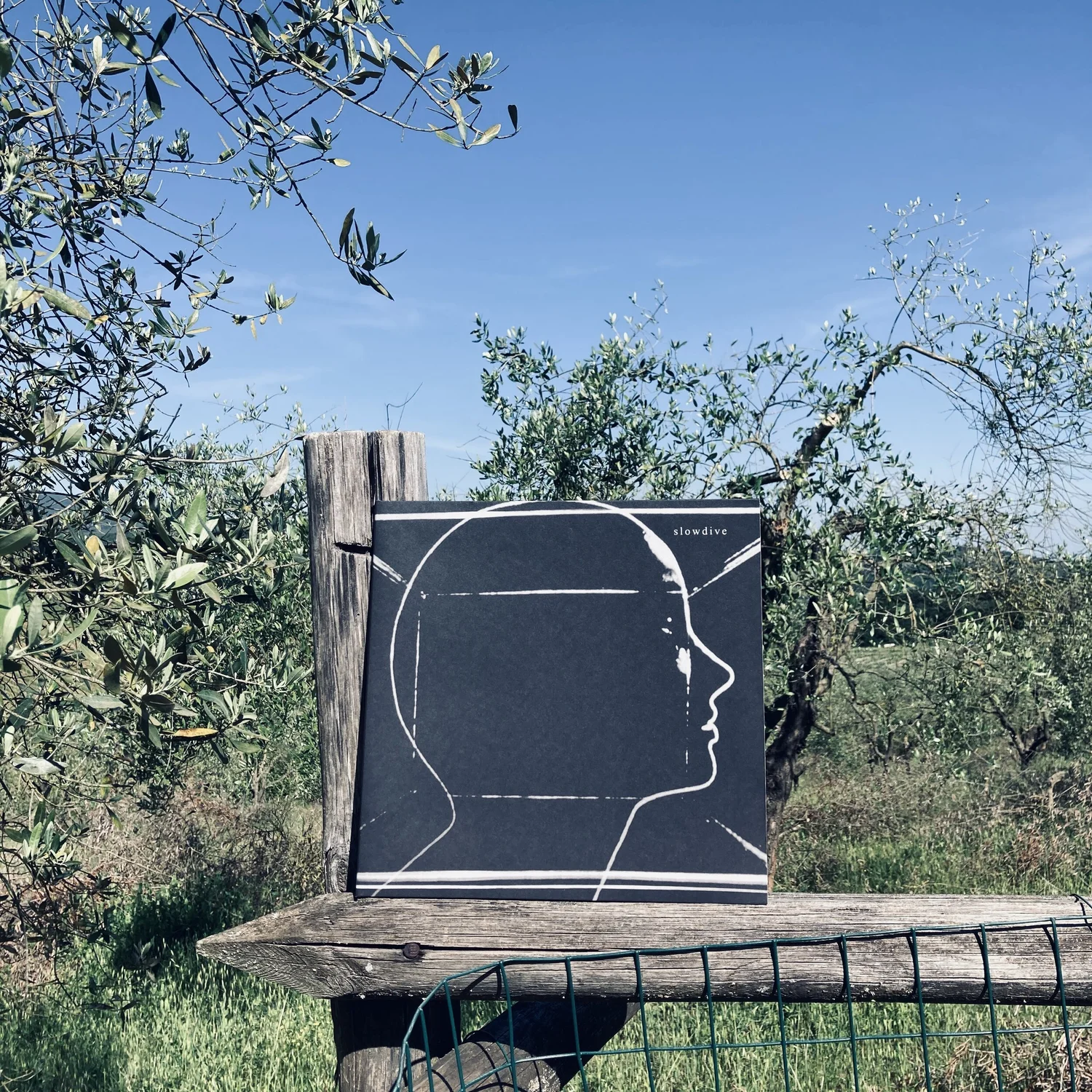
  • Slowdive – Slowdive

    Slowdive – Slowdive

    IMG_9079.jpg

    The main component of Slowdive? Letting the sound of their guitars and basses dissolve into hall and reverb as if each tone, one by one, drifts away – and so does its listeners as well. Slowdive’s latest LP, which bears the same name as the band, is highly contemplative, dreamy, and full of melancholy in one can easily lose oneself and dream away.


    British Shoegaze Band of the early 90ies, split up in 1995 but reformed in 2014. Slowdives’ extraordinary sound is on the one side located between Dark Wave, Post Punk and Dream-Pop with some influences in Electronic Music, ambient music to be exact. Commonly this cross-over is known as the genre Shoegaze. The term shoegaze ironically originated through the typical posture of the musicians who normally kept their eyes on their feet to use their pedals. At the same time shoegaze is supposed to reflect the musicians introversion and timidity. You can for sure recognize this sound aesthetic on Slowdive’s LP.


    To my ears their recent records sounds fairly old school: firstly, the way they formed their tracks seems pretty standard. This does not make their sound innovative but that is, I reckon, the crucial aspect of their music. They sound as if they have been stuck in the past century; pretty laid-back tunes and (in a good way) “simple” arrangements.


    Secondly, and the most remarkable aspect to note, is Slowdive’s production and recording of their LP compared to the outcome of other contemporary records in 2021: through producing primarily digital, any kind of sound patina normally vanishes in the process, while the recording of the instruments might be very accurate and clean, though the tracks tend to lose some kind of width and fullness. Slowdive stuck to record all of their tracks conventionally.


    This is exactly the reason why you can fully fall into Solwdive’s music: Putting on the record, the first track Slomo forfeits that state: you hear a perfect interplay of restrained drums, soft bass, expansive reverb-guitars and Rachel Goswell’s dreamy vocal line. With the next track Star Roving the atmosphere unexpectedly changes its listeners state of mind as Slowdive picks up speed by some typical shoegaze driven sounds. Don’t know Why follows up next: it joins in with the swiftness of the previous track, yet comes along with plenty of easiness and merriness. Then the tone of the record changes back into that typical contemplative spirit of the beginning. Hereby, No Longer Making Time has to get pointed out as well as Go Get it: Both tracks display a diversified song structure, starting off light and melancholic, but then picking up with a pretty sweeping, almost pathetic chorus leaving its listeners with plenty of nostalgia behind, achieved though some truly powerful guitar and bass arrangements, accompanied by Simon Scott’s tendering drums and the wistful lyrics sung by Neil and Rachel.

    A peaceful and calming piano, that get supported by a guitar in the background and Neil singing some fairly touching lyrics ends the album with Falling Ashes. What better way is there to round up the album in this dreamy and contemplating way.

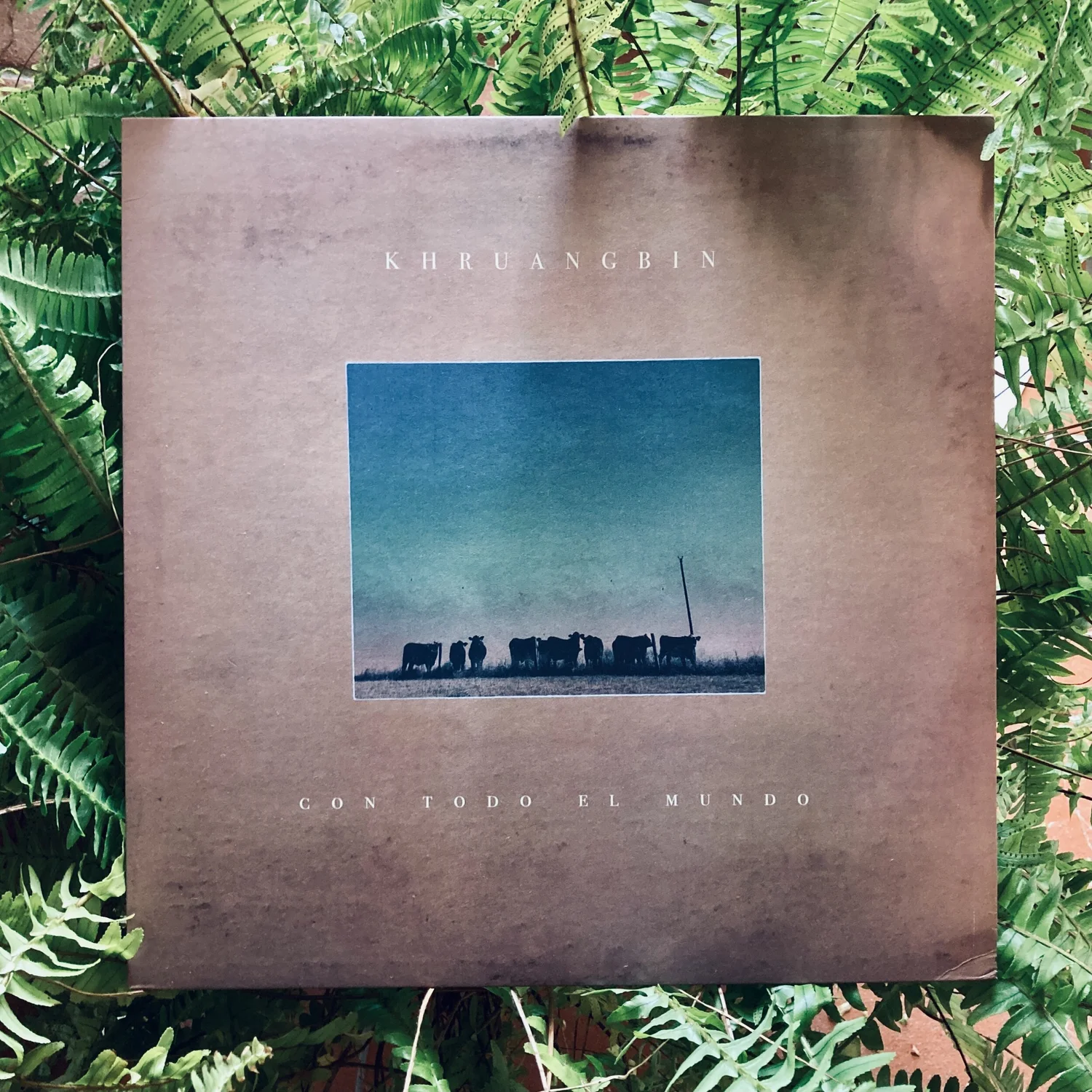
  • Khruangbin – Con Todo El Mundo

    Khruangbin – Con Todo El Mundo

    IMG_8479.jpeg

    After Khruangbin’s initial breakthrough success with The Universe smiles Upon You in 2015, they released Con Todo El Mundo 3 years later. For all those fans of the first, their second LP continues to elaborate their typical style and grooviness. That being said, there are subtle changes: Listening closely to the first track Como me Quieres, you might discover that on top of Khruangbin’s trademark sound there is an atmosphere of an offbeat country – I picture a scenery of a dry, secluded prairie. This is recurrent in the entire album and what I want to highlight about  Con Todo El Mundo: Khruangbin have extended their musical aesthetics even more by resorting to additional sounds drawing from Caribbean, Indian and Middle Eastern music. This bears best with Maria Tambien masterfully combining funk with Iranian Sound.

    Evan Finds the Third Room is similarly sounding funky. It is also a good example of Khruangbin’s technique to let each contributor of the melody to appear fairly equal, thus at no point do the instruments or the vocal line outdo each other. The result is a sound like a conversation between the instruments, supported by the vocal line which dispenses its normal leading position but inserts itself to the other instruments.


    Con Todo El Mundo is a carefully crafted mix of a wide range of musical influences. Notwithstanding the many genres and cultures they combine, the end result is a smooth and pleasant sound. Khruangbin show to be extremely imaginative providing soothing and extremely chilled funky/psychedelic rock with the aim to create music that is open-minded to other cultures sharing these wonderful off beat sounds from a lot of places in the world with us.

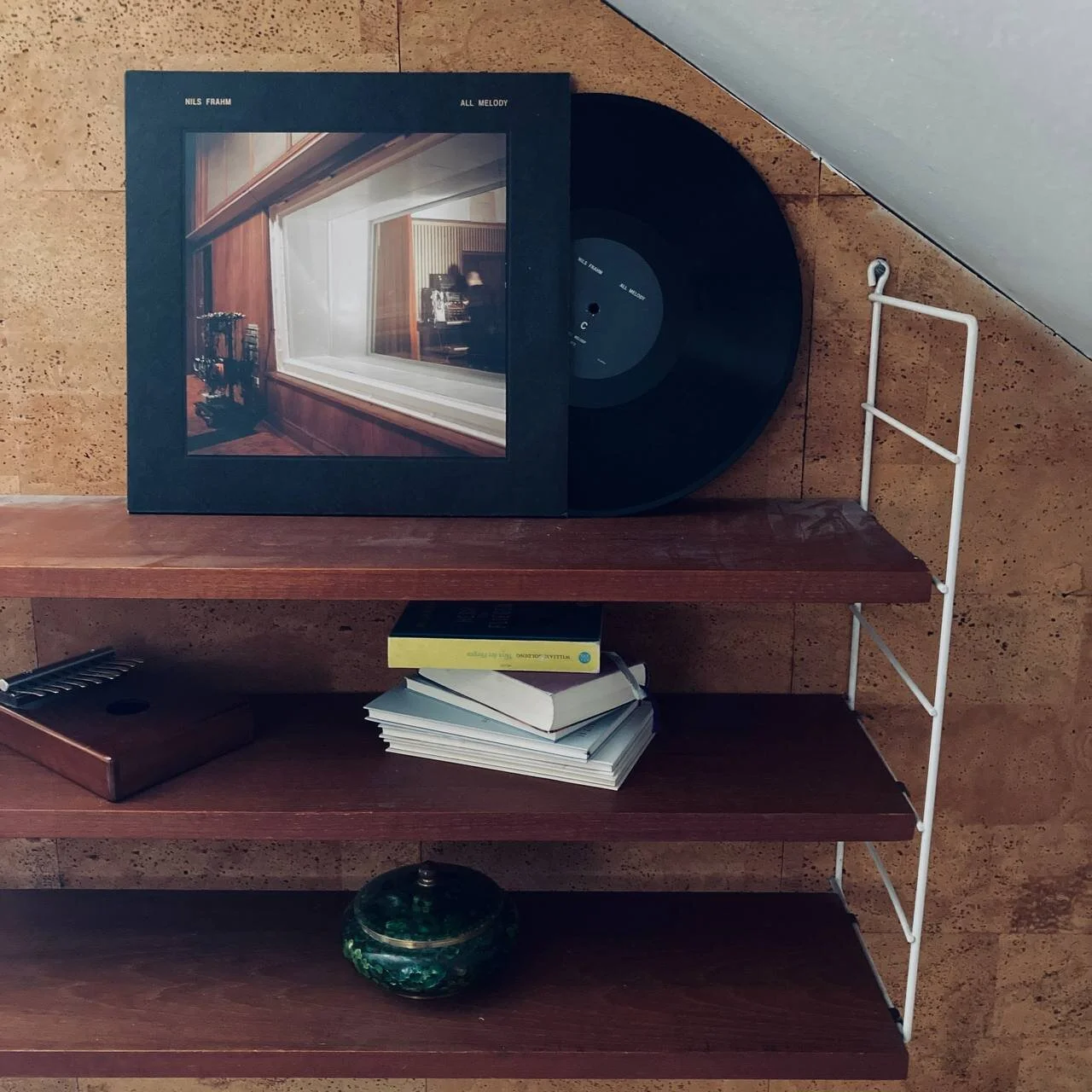
  • Nils Frahm – All Melody

    Nils Frahm – All Melody

    2021-05-15 17.48.10.jpg

    Nils Frahm- in my opinion definitely a musical genius. Highly regarded by feuilleton critics and the electronic scene alike. I never stop to be blown away by what he is able to create with his numerous keyboard instruments. Contrary to how his fans and critics describe him, Nils Frahm himself doesn’t see of himself of a ‘super musician’. In an Interview with the German newspaper SZ he said: 

    “I have never understood how one can reconcile humility towards the sound with the self-dramatization of an artist.”

    This point of view renders Nils Frahm the sympathetic and accessible guy I perceive him as. This is reinforced I witnessed him in all his restraint and modesty at one of his superb concerts held at the Gasteig concert hall in Munich 2019 – he does not self-promote but leaves all the focus on his beautiful music. His music in short – a merger of elements from experimental Electronic and Acoustic Music, E-Music, Postrock and free improvisation. Moreover, his music is also characterised though the use of analog synthesizers.

     His 9th album All Melody, published in 2018, starts off with The Whole Universe Wants to Be Touched. One With the choir London’s Shards humming wordlessly, an uprising melody is formed along with Nils playing on the harmonium. The track smoothly flows into the next track Sounson with more and more instruments floating together. Its graceful and illusory melody leads into a distinctive beat formed by subtle synths and a bass marimba underlying the initial melody. Frahm creates some kind of hecticness through the fast marimba beat, its full sound creating an enormous vivid attraction to the whole track.

    There are also has two incredibly soothing and quiet piano tracks My Friend the Forest and Forever Changeless, that Nils Frahm is also very famous for. While listening one can hear some subtle sounds of the inside noises of a piano: Frahm places a microphone deep inside the instrument, thus he is able to integrate the mechanical sound of hammers into his tracks, which is a peculiar feature of Frahms sound aesthetic.  Secondly and even more importantly, the tracks also come along with an incredible nostalgic and melancholic touch, hearing how Nils Frahm brings out his full contribution to the piano sounding more like he is improvising and letting out physical tension and emotions through his play.

    There is also plenty of groove on the record: particularly with the pieces All Melody and #2. They are characterised by highly rhythmical and more electronic, industrial sounding synths, but still ever so flowy.

    A technical highlight of the record is Kaleidoscope, definitely lives up to its name: Nils Frahm uses a pipe organ and its fast polyrhythm causing an energizing oscillation with the support of light and high vocals.

     Nils Frahm works in Funkhaus, Berlin in hall 3 which was originally made for classical chamber music built in 1956. According to Frahms one couldn’t find a better acoustic environment to compose. Most of his record All Melody was also recorded at Funkhaus as well as in a little studio on an island in the Mediterranean Sea, where he had access to an old well. Recording in this well the reverb is, according to him, “even more crazy sounding than for example our phone calls reverb. It doesn’t sound anything like a normal reverb. In this well it sounds much more artificial and has a sense of physicality to it.”

    Physicality and consequently arriving at such pure sound, are his main inspiration. As an artist he is interested in how sound can produce physical feelings which can be carried through acoustic instruments. Playing on the piano he can physically feel its vibration through his fingers and feel that ‘physical tension’ deriving from the strings. This is key for him to being able to be creative as all this in conjunction generates this “beautiful, inspiring sound”. And this is definitely what you get when listening to his record: Pure sound- All Melody.


    If you pay close attention you are really able to hear all this pure sound: a little danish piano which he only bought for 50€ a couple of years ago. He then only had to connect it to a microphone and modify its sound to resonate dampened. Moreover, a piano mellotron, a pipe organ, controlled by MIDI keyboard, analog. For this record he even expanded his equipment with strings, trumpet, tympani, gongs, bass marimba and in particular an abandoned harmonium, which he found at the Funkhaus premises.


    As several tracks last eight minutes or even longer, you really get the chance to get involved with the music, considering that it is almost impossible to identify at glance all the elements he put in.

    This is exactly why it was so a crucial for me seeing him perform live, which added something really unique to my experience of his music. Particularly, I witnessed how the records I was familiar with got transformed, I was able to understand where they come from, how they are created. I found it fascinating to watch him swapping between his instruments within tracks, making a very vivid performance out of music. Thus, I really recommend watching a live performance, i.e. this one from the Melt! Festival in 2019.

  • Haftbefehl – Das Schwarze Album

    Haftbefehl – Das Schwarze Album

    photo_2021-05-09 10.47.14.jpeg

    Du weißt das es Haft ist! Haftbefehl- Feuilleton Liebling, Gangster-Rapper und für die meisten das letzte Original: 2020 hypte seine langerwartete LP Das Weisse Album und zählt meiner Meinung nach zu den besten Deutsch-Rap Alben 2020, wenn nicht zu den Besten der letzten Jahre. Es verging nicht mal ein Jahr und schon droppte Haftbefehl ein weiteres, das Schwarze Album, welches sich konzeptionell an das vorherige anschließt. Obgleich man gefühlt noch beim Weissen Album hängen geblieben ist, da es mich und sicherlich viele andere völlig in den Bann gezogen hat, war dementsprechend die Skepsis hoch, ob Haftbefehl überhaupt in so kurzer Zeit etwas Vergleichbares zustande bringen würde. Nicht im Geringsten – und wie es dropped!


    Das Schwarze Album wird seinem Titel gerecht: es ist dunkel, impulsiv, angriffslustig und trifft mit einer Wucht. Haftbefehls Texte beschreiben unverhohlen, wie es in seiner Blase und seinem Milieu zugeht, was er durchlebt hat, vor allem bestimmt durch seinen Drogenalltag in der Vergangenheit, den er innerhalb der ersten sechs Tracks zum Thema macht.


    Das Album beginnt mit einer künstlerischen Kritik durch Kaputte Aufzüge – ein Motiv, das für eine Personengruppe, die am Rande der Mehrheitsgesellschaft steht, in der Haftbefehl, bürgerlich Aykut Anhan, groß geworden ist. Seine absoluten Bangers Wieder am Block oder Kokaretten, sind genau das, für was man Haftbefehl so feiert: aggressiven Rap, perfekte Hooks und Härte im Sound; all das kombiniert mit seiner Trademark – Lyrics mit Wörtern und Satzstrukturen aus dem kurdischen, arabischen, türkischen und der Zaza-Sprache zu kreieren: alles 100% Haftbefehl.


    In Kontrast zu der anfänglichen Glorifizierung, beschreibt Haftbefehl im siebten Track Offen/Geschlossen jenes Leben, als trist und nicht erstrebenswert, welches er so ausdrückt: „Trau dich nicht in unsre Gang/ denn traurig unser Leben“. Der Track hinterlässt etwas sehr melancholisches und bedrückendes.

    Selbstsicher und souverän wie gewohnt, rappt er aber wieder in den Tracks Du weißt dass es Haft ist und Lebe Leben, bepackt mit energiegeladenen Hooks und ‚Catch‘ Phrasen und natürlich nie ohne sein mächtiges und impulsives Sounddesign.

    Im Schwarzen Album finden sich durchgehend Features von vielen talentierten Rapper*innen unter denen vor allem Soufian in Wieder am Block und Luciano in Ruff hervorstechen.


    Auch wenn die zwei letzten, etwas poppigeren Songs des Albums ungewöhnlich für Haftbefehl sind, bezieht er sich in ihnen auf die momentane Lage Deutschlands 2021, sprich der Pandemie und die daraus sehr erkenntlich gewordenen gesellschaftstrukturellen Probleme, wie in dem letzten Track EMSF (Engel mit schwarzen Flügeln) zum Ausdruck gebracht wird:


    Kein positives Signal in weiter Ferne
    Kein Silberstreifen am Horizont in Sicht
    Sie predigen, doch jedes zweite Wort
    Das aus ihrem Mund kommt ist Gift
    Wir haben die Kontrolle verloren
    Ignorieren die Realität sonst nichts

    In einem Interview für das Diffus Magazin sagte Haftbefehlt, dass er damit beschreiben möchte, dass erst seit der Pandemie verstärkt sich Leute Gedanken darüber machen, was in unserer Gesellschaft schief läuft, aber gegen die großen offensichtlichen Missstände trotzdem nichts getan wird. Mit diesem pessimistischen Ausklang bezieht er sich aber auch mit ein und sieht sich und seine Vergangenheit kritisch.


    index.jpg

    Du weißt das es Haft ist! Ja, jeder weiß, dass es Haft ist und kein anderer kann ihn in den Schatten stellen. Durch seinen Ruf des ‚Künstler‘ unter den Gangster Rappern, kann er sich musikalisch und inhaltlich abseits der Rap-Norm bewegen, ohne dass es für ihn einen Imagebruch bedeutet.

    Zudem fasziniert seine Musik ein sehr breites Publikum; von den Straßenbanden aus seiner Heimatstadt Offenbach bis hin zum klassischen Bürgertum. Der Autor und Kulturreporter der Zeit Moritz von Uslar kommentierte dies sehr treffend:

    „Ein Musiker wird immer dann interessant, wenn er sozusagen den Quantensprung aus seiner Blase oder Milieu rausschafft. Bei Haftbefehl ist es so, dass er eben für ganz ferne Milieus extrem interessant ist. Genial an ihm ist, dass er genau das reflektiert und klug bespielt. Er kann uns erzählen, was dieses Land ist, jenseits vom ersten und zweiten Fernsehen, und kann erzählen, was auf dieses Land gesellschaftlich zukommt in einem ganz erheblichen Maße, nicht nur bezogen auf migrantische Milieus, sondern auch im größeren politischen Kontext.“

    Doch wodurch sich Haftbefehls Musik zusätzlich von anderen Rapper*innen hervorhebt, ist seine Ambition die Musik durchdacht und mit einem Konzept zu veröffentlichen, weshalb er plädiert, sein Album von Beginn bis zum Schluss durchzuhören, um es überhaupt vollständig erfassen zu können. Für ihn ist die Reihenfolge seiner Tracks ein wichtiger Prozess. Er sitzt teilweise wochenlang daran die Tracklist zu sortieren, damit sich das Album so stimmig wie möglich anfühlt und die richtige Message dabei rauskommt. Haftbefehl ist einer der wenigen Deutschrapper, der noch vollständige konzeptionelle Alben auf den Markt bringt und kritisiert, dass heutzutage leider der Trend befolgt wird, nur noch einzelne Songs zu veröffentlichen, dadurch der Anspruch aber an die eigene Musik verloren geht.


    Ich bin begeistert nach einer wirklich phänomenalen LP – Das Weisse Album – jetzt noch eine weitere geniale Platte wie – Das Schwarze Album – rotieren zu können, abseits von all den Rapper*innen, die sich, wie es scheint, alle an den gleichen tanzbaren Trends von Cloudrap bis hin zu Autotune orientieren.

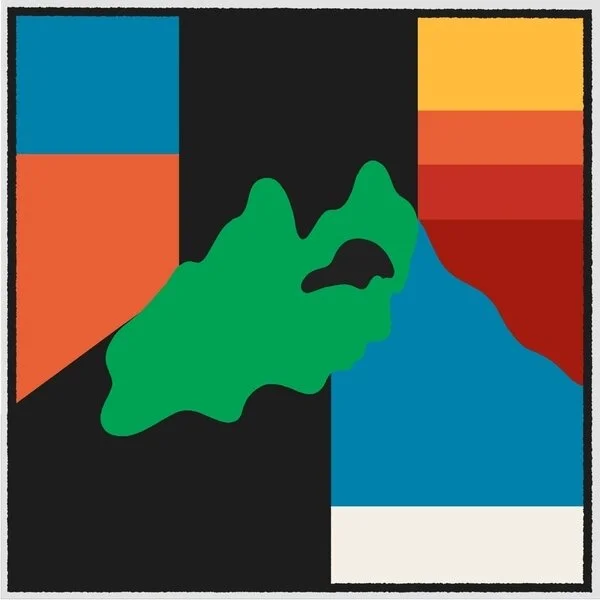
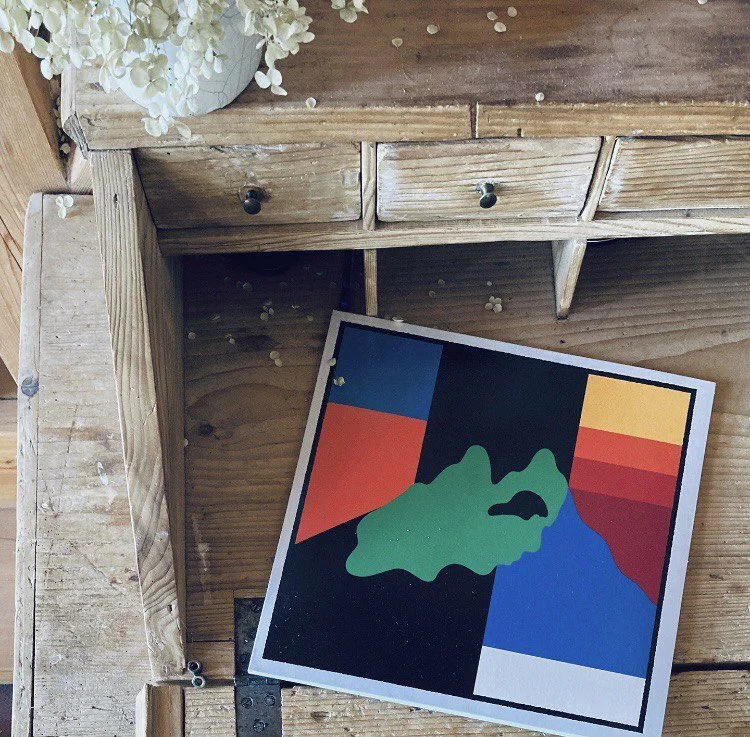
  • Esa Williams- Esa Presents Amandla: Music To The People

    Esa Williams- Esa Presents Amandla: Music To The People

    Artwork Esa Presents Amandla: Music to The People

    Artwork Esa Presents Amandla: Music to The People

    The record Esa Presents Amandla: Music To The People is one which my brother and I randomly picked from the presentation shelf in our hometown Vinylstore Optimal Records. Its description and cover evoked our interest- plus for a change  picking a record in the dark, not knowing what is hidden behind it, is a great way to reach out of the box not getting and broadening one’s musical horizon.

    This album is a compilation of some really great tracks selected by the DJ Esa Williams who is based in London. Not only have those tracks been featured heavily in his DJ sets, they also represent his musical journey and the people he connected with over his life and career. The basis of his approach to curate this compilation was to emphasise on his musical roots of the genre kwaito. Kwaito has its origins in South Africa where Esa grew up. It emerged in Johannesburg during the end of apartheid in the 1990s, when the country was readying itself for a newfound freedom. Thus, the track “Amandla, Awethu”, meaning “the power is ours”, presents a significant and invigorative chant of that crucial development. Music is and was  a powerful tool to connect and form integrity among the people. Kwaito was formed, marked with the use of Southern African sounds, percussive loop samples, a deep bass and vocal lines that are either sung, rapped or shouted. The second track Accuse (meaning “Instrumental”) by the group Alaska was also produced in that essential era. To Esa it is “one of the most iconic kwaito groups” (…) and “played a massive role in how this sound mobilized young South Africans, calling for celebration after our horribly oppressed past.”

     In compiling songs, Esa not only wanted to share tracks enigmatic of his roots, but also those he encountered while visiting various parts of the world s a DJ which subsequently embossed his musical background:

    For instance, Lague Yo (Boulo Edit) by Pascal Latour shows Esa influences by Brazilian Zouk Dance Music. Zouk had its origins in the French Antilles, thus was played in Guadeloupe, Martinique, Saint Lucia, Dominica, and Haiti. It is characterized though Antillean Creole language, electronic synthesizers, a percussion-driven rhythm and supported by loud horn sections. The track sounds incredibly lively and funky, which will instantly make you want to move your hips. It contains a really well composed bass line in the background and a great Creole chorus.

    Another highlight, Cheeks by Narchbeats is a South African techno track. To the ones who enjoy listening to techno music, the song will sound very unique and innovative, mixing kwaito music with techno: Its sawtooth bassline, its catchy beat loops and its perfectly dark sound aesthetic.

    Predominantly Esa Williams enables us to get insights of music that for most in Europe is relatively hard to get acquainted with. Considering the nature of our listening behavior in 2021: In particular because of Spotify’s target, bringing us merely close to music which is similar to the one we already listen to. As a result we tend to listen to music, the type of which is already within our reach. To me this consequently narrows down the interactions between cultures and also the potential of musical developments across border. Esa gives us that opportunity, as he is someone who is very well versed within his cultural and musical roots and through his professional experience. But more importantly these insights enable us to witness that any genre can get transformed and adapted to any cultural background. This makes it ever so clear that crossing over genres and cultures make musical creativity and its possibilities limitless. In a sense it is a very powerful way to overcome cultural borders.

    Esa Presents Amandla: Music to The People

  • Karenn – Music Sounds Better With Shoe

    Karenn – Music Sounds Better With Shoe

    cgr-ew.jpg

    This review is about two fabulous tracks made by Pariah and Balwan alias Karenn– a Bristol based Techno DJ Duo – as part of their EP Music Sounds Better With Shoe.

    The first track On Request is a result of a Boiler Room session in 2014. Following wildspread demand in the aftermath of their performance to publish a studio version, it took them nearly five years to record a satisfying version. On Request sounds industrial, formed through several rumbling sounds that Karenn built onto each other. Observing these components individually, each of them on its own is relatively subtle and steady for a techno track. Underlined by a determined bass drum a driven and stompy sound is the result. The track creates a lot of width due to its reverberating sound – imagine standing in a big hall sensing the dark bass everywhere on your body.

    The following track Shoes Off is for me the best techno track of 2020: It stands out because of its extremely interesting and complex build-up: Starting off calmingly with soft sounds that seem to come from far away, the music suddenly comes closer, the tempo fastens with the bass drum kicking in. The track falls into a hectic looped melody which once there never leaves the track. The supporting sounds render the track increasingly hectic, hurried and even terrifying as the sound gets more scratchy and rumbly. Marking the end, the scratchy sound suddenly breaks off with the entry melody appearing again, ‘calming down’ the listener. This sequence sounds like a ‘bright spot’ in contrast to the hecticness before. As we think we are at a calm end point, once more the melody gets taken over by the rumbliness of before. The tempo increases more and more and the shredding even seems to surpass previous levels – I find it a great peak and exiting development.

    As the five-year span it took them to release this EP might indicate, the Duo Karenn doesn’t focus on releasing their music. They are a highly demanded live act and well-known for improvising analog techno. Thus, for any further examinations of Karenn listen to one of their live performances; for instance a performance recorded at Munich’s former techno outpost MMA.

    (Sneak peak for the ones among us in a rush at minute 18:00)

  • Khruangbin – The Universe Smiles Upon You

    Khruangbin – The Universe Smiles Upon You

    800px-Khruangbin_am_Haldern_Pop_Festival_2019_-_11_-_Foto_Martin_Schumann_(cropped).jpg

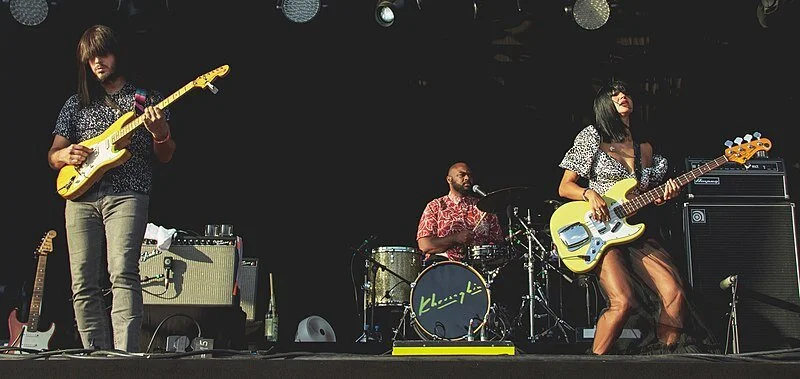
    “Khruangbin”- is the band’s bassist’s favourite thai word which translates into “airplane” and was therefore picked as the Houston-based band’s name. Its three members – Laura Lee, Mark Speer and Donald Ray – all came together from different backgrounds and experiences: Mark Speer, who had been playing in a variety of bands across different genres wanted to go back to simply playing the guitar without using any special effects, such as pedalboards or loopers. In 2004 he then met Donald Ray “DJ” Johnson, when both played in the same church in Houston. Until then Donald had also played in several different settings, from Hip-Hop to Gospel on a variety of different instruments like bass, keyboard and the organ. Starting with Khruangbin, he went back to the first instrument he learnt to play on, but which he was the least experienced in – the drums. Being completely out of practice with his drumming, Donald really had to work on his techniques at the start of Khruangbin. However this is why he was able to create the specific trademark drumming sound of Khruangbin in all its looseness and modesty. In 2007 Mark Speer met Laura Lee who, at that time was still a school teacher. They instantly connected though their interests in foreign music and cultures. One thing led to another and Mark taught her to play the bass from scratch. With the broad experience of Mark Speer’s band career, he was very eager to encourage Laura Lee’s first attempt in playing within a band, this in addition, on a completely new instrument.

    Unfolding Khruangbin’s Sound

    Khruangbin’s trademark sound emerged by giving Laura the priority to lead the melody with the bass. In that process Mark adapted his guitar to her rhythm, which makes their sound as expectational. To them their melody arises through a conversation between the guitar and the bass, responding and interacting with each other. So it is very rare that they neither play at the same time nor repeat the same sequences, which has the effect of sounding as if there is more happening. The vocals of Laura Lee also appear in a very unique Khruangbin style. They add their singing to the instruments once the instrumental base of the track is done and subsequently figure out which parts need the support of just a hum, whispers or a few words, that may go well to create a suitable atmosphere. The result is a well-balanced harmony between the three: both the instruments and the vocals adjust on to each other rather than having the vocals dominating. Each component contributes to Khruangbins minimalistic sound aesthetic: their carefully coordinated interaction through the interplay between the bass and guitar, the drum’s subtle accompaniment to the melody and its mystic and dreamy vocal interjections.


    All of the albums have been recorded in the same place- a remote barn in Houston, which according to them, have a huge effect of their sound aesthetic. Their purposely integrate the environment of the barn and do not want to isolate their recordings from its surrounding sounds -of bugs or trees that gently scrape against the side of the barn- sounds you want to hear and don’t want to talk over.


    In their music you’d probably recognise influences across a wide spectrum of genres, especially thai funk, soul and psychedelic rock and over a broad variety of cultures. This variety is enigmatic of the band’s base – Houston which consists of a diversication of cultures, who all shape the identity of the city. Khruangbin state their music is subconsciously influenced by South-East Asian music, in particular thai funk. Similarly to the way they play bass and guitar, they see their multi-cultured source of musical influences like a conversation between different parts of the world. They aim to display the similarities between cultures and its people, rather than pointing out the differences, consequently creating music that show us the connection between cultures and its people. Khruangbin attempts to make everyone part of their music by avoiding potential language barriers. They display a huge international success touring worldwide thus its connecting effect across the whole world does work very well.


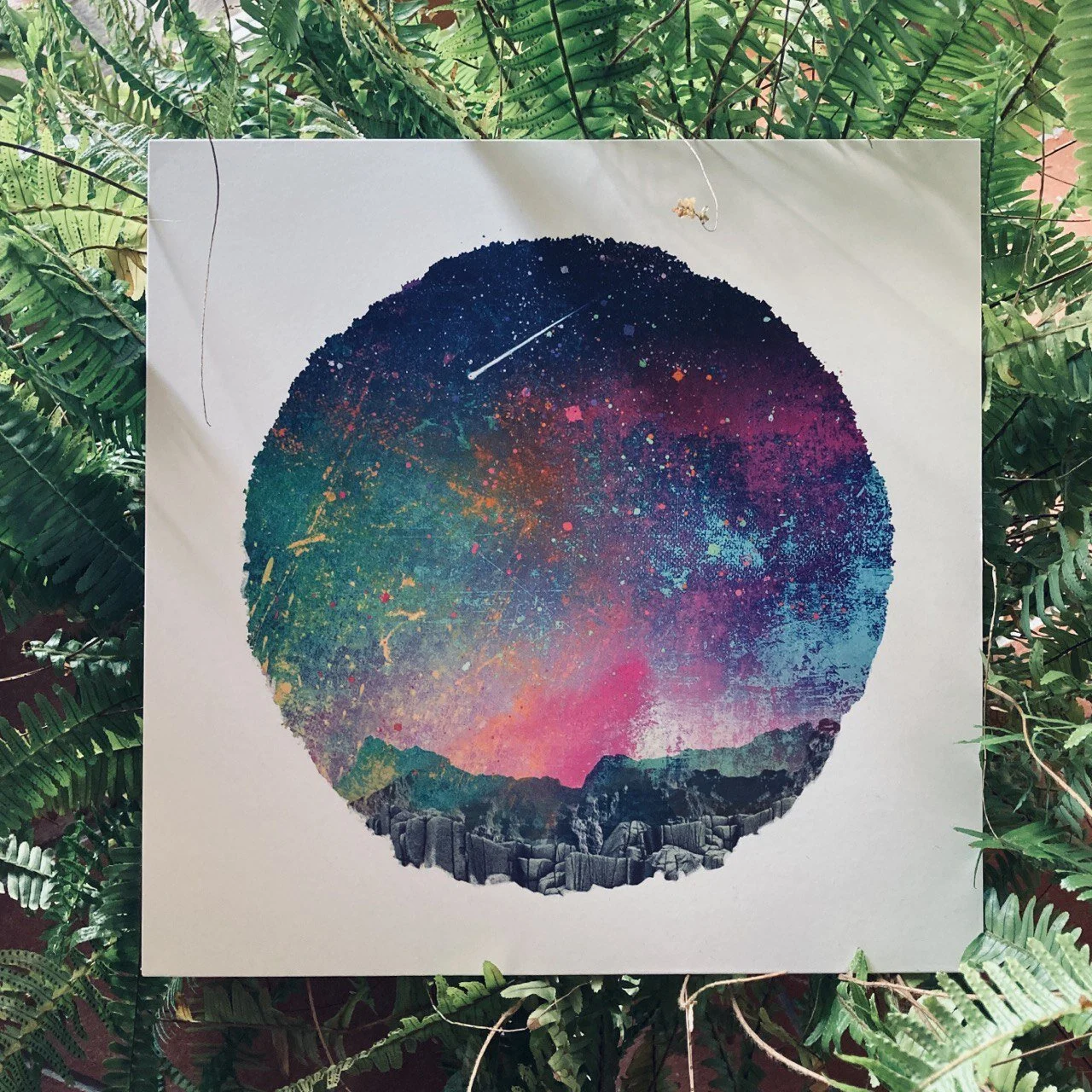
    The Universe Smiles Upon You

    photo_2021-04-12 16.40.56.jpeg

    The Universe Smiles Upon You, released in 2015, displays Khruangbins minimalistic low beat style the most and probably the best LP to get acquainted with Khruangbin. Its tracks are perfectly put together consisting of funky and jazzy arrangements. The LP contains Khruangbins most popular tracks People Everywhere (Still Alive) and Two Fish and an Elephant, that do indeed deserve special recognition as they represent Khruangbins’ flow and high expertise very well. Moreover, Derrn Kala displays a particular gripping grove with Mark Speer guitar playing developing from a flippant jam into hints of rocky sequences with Lauras strong, consistent bass line and Donalds subtle but perfectly elaborated drumming.

    Another amazing track August Twelve shows Khruangbins divers mix of style starting off with a jazzy part but also integrating a psychedelic rock guitar line by Mark Speer which sounds really driven and rocking but then turning back to its smooth jazzy character. Another highlight of the album is right at the end with its incomparable track Zionsville. It is incredibly relaxing and takes you into a wistful state of mind, particularly through Mark Speers’ guitar creating so much easiness and nostalgia to the track.

    Each song has its own particular groove and you really get the chance to fully get involved in their jams. Its simplicity is key to any of their songs- it enables oneself to discover a vast number of great arrangements and melodies, that can be attentively followed by its listener. This is probably the reason why this LP never gets boring as there is so much to discover and to perceive for oneself.