Autor: admin

  • Robin Dey

    Robin Dey

    IMG_3264.jpeg

    Robin Dey, a Berlin based DJ and member of the Collective “Circle and Stones”, focuses on downtempo and deep house. His sets have a wonderful structure and subtle sound. I have been to his gigs several times and even travelled to Berlin as wells as Leipzig for the mere purpose of attending his live performances. In Leipzig he performed at a club opener, which is sadly closed already due to rental issues. Together with his b2b Barnabass (for some quality space techno) they performed at prime time 4.00 am. The whole crowd was instantly hooked, as they created a magnetising atmosphere,you could really let yourself fall into the sound. While writing this and getting this vivid moment back into memory, it is, as so often in those extraordinary times, distressing not being able to experience the sense of community standing in a crowd of people, all dancing and fully being dedicated to the sound. However that’s why I was so delighted being able to compensate this need through the numerous live streams artists recently made available; even though it is not comparable, neither for the listener nor the artists, not being able to properly take in their work through all senses. Thus, I recommend this video of Robin Dey’s set, which was streamed in May at Klunkerkranich in Berlin. For the ones in a rush: Minute 7.30 until 11.40 for a glimps into one of his great turns.

  • Ela Minus – acts of rebellion

    Ela Minus – acts of rebellion

    photo_2021-02-08 16.13.00 3.jpeg

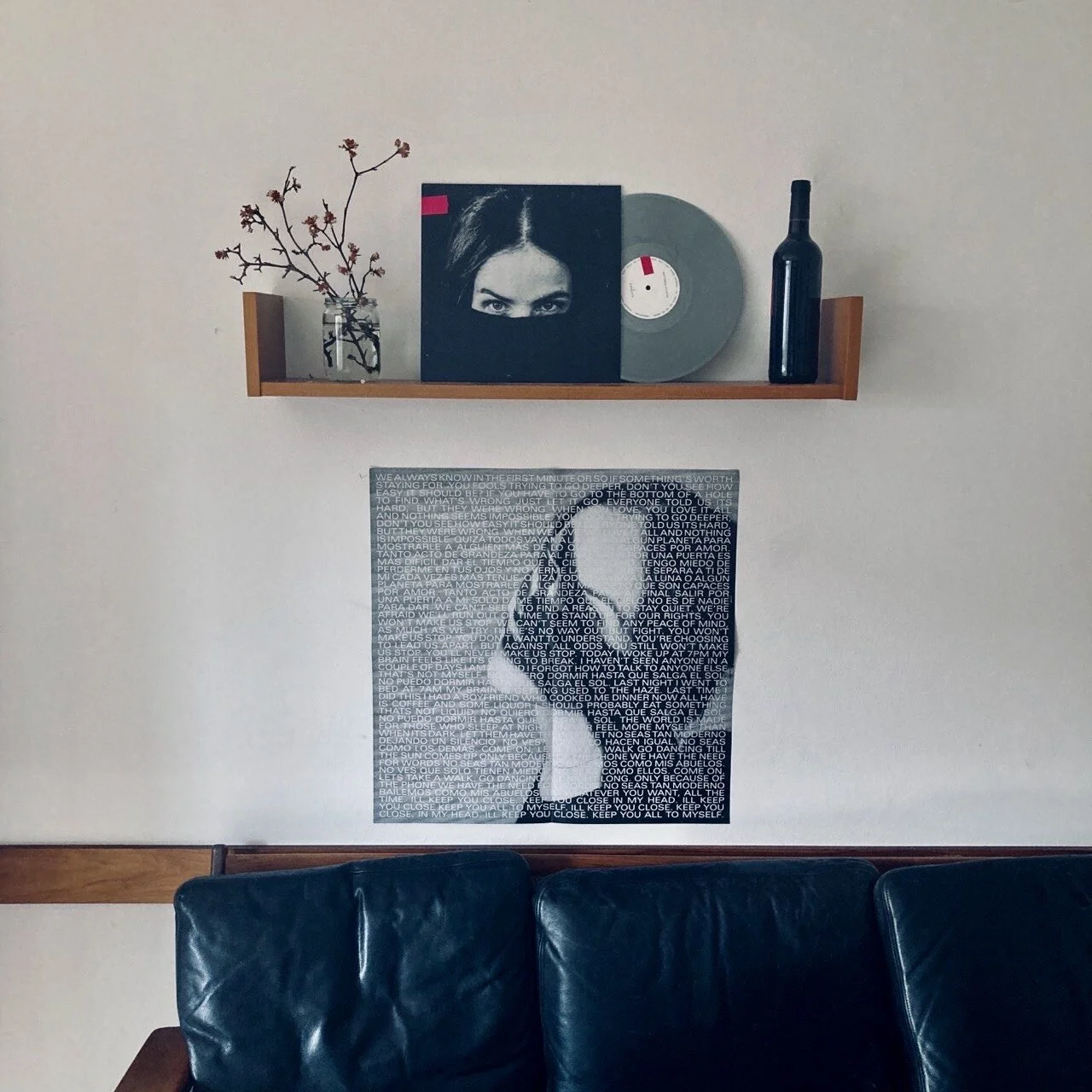
    A deep sigh is what you hear first on Ela Minus‘ debut album acts of rebellion– as if she breaths out of relief. The track is titled N19 5NF. These numbers are the coordinates of the Whittington Hospital in London, where Ela Minus (born as Gabriela Jimeno in Bogotà, Colombia) almost lost her life. The sound of the breath symbolises her awakening and the start of a new beginning. The minute she has escaped from death sounds like molecules floating around like restorative energy, helping her to recover. Her fight against death is her first rebellious act she points out. As the album title suggest the importance of rebelling is the recurrent theme throughout it, unveiled by her personal rebellious actions: against authorities, dominant men of past relationships and most importantly against capitalism and colonialism, which have had a huge effect on her motherland Colombia for decades. Thus, her belief in the necessity of acting rebellious towards corrupt political systems is Ela’s main message. She claims that anyone who grew up in Colombia like her, having to endure all the conflicts between rebels and the regime, the drug-war, gets automatically politicised. However, she thinks that rebellions can constitute themselves in many daily acts, no matter how small they are, as resistance grows from everyday practice.

    The track they told us it was hard, but they were wrong is one of the musical highlights in the album by which I was captivated immediately. She signs her lyrics in a choppy, robotic, almost paralysed style passing on these insights:

    You fools trying to go deeper
    Don’t you see how easy it should be?

    Everyone told us it’s hard
    But they were wrong

    When you love, you love it all
    And nothing is impossible

    Ela Minus argues that there is no reason to fear the desire for change and wanting to stand up. She ensures us of her conviction in the power of activism singing “You won’t make us stop” like a militant mantra in the track megapunk. “I want people to feel like they have the power to change the world” is her mission statement.

    As do her dark and provocative lyrics, the sound of her music likewise pursues a similar effect upon the listener. The second track el cielo no es de nadie is the showcase song of acts of rebellion. The room immediately fills up with a driven beat, smooth synthesizers and Ela’s whispery voice singing in Spanish.

    She uses four-on-the-floor beats (steady, uniformly accented beat in 4/4 time) with clattering percussions, buzzing synthesizers and a drum machine creating a clubby dark atmosphere. It’s dark touch is also influenced by Ela’s Punk-background, having played in a hardcore-band at the age of 13. None of her music is produced with software or computer. She only uses hardware built and set up by herself, so she is able to operate her equipment by heart. Ela received her profound technical knowledge during her studies as a jazz drummer at the Berklee College of Music in Boston. Not only did she receive classical training in composing, she also learnt about the technical procedure how to design and build synthesizers. Being the only woman and having the affinity to punk-music, she felt as an outsider in her class. However, she found comfort dancing in the clubs of New York where she fell in love with electronic music. Ela aptely captures the passion of spending long nights on the dance floors in dominique: “No quiero dormir hasta que salga el sol” (I cannot sleep until the sun goes up).

    Although the record predominately consists of dancy Techno-Pop tracks, Ela adequately complemented her record with spheric ambient tracks such as let them have the internet and do whatever you want, all the time. Her change in genres and tempo makes this record wholesome and very diverse, thus acts of rebellion is a great mixture of dark electronic club beats, techno-pop, melodies and Ela’s mystic voice.

  • Loyle Carner – Not Waving, But Drowning

    Loyle Carner – Not Waving, But Drowning

    photo_2021-01-25 17.57.34.jpeg

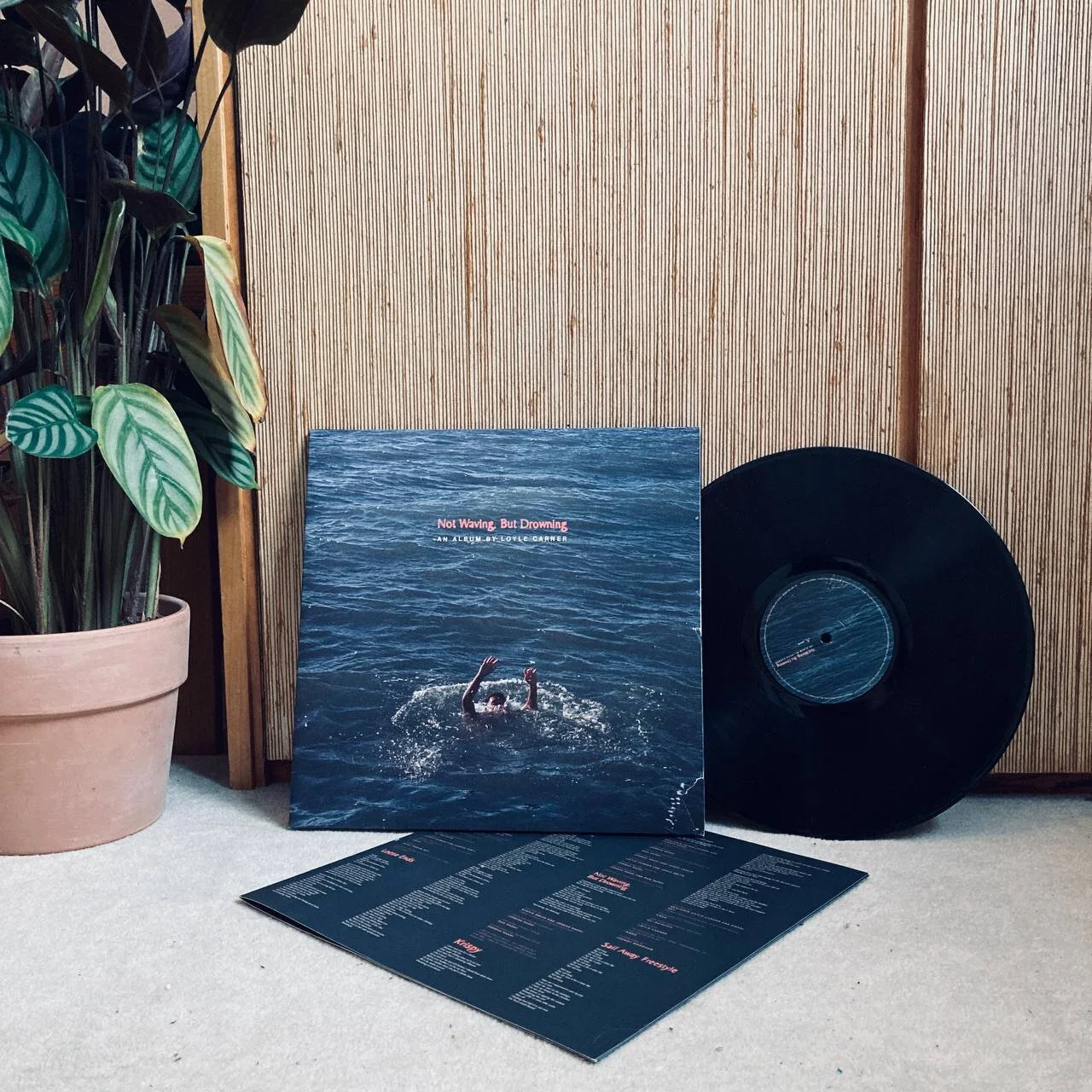
    UK-Rap made with a strong, sentimental and fragile narrative – this is the Rapper Loyle Carner (born as Benjamin Coyle-Larner) who created a wonderfully soothing and dreamful record in April 2019.

    The album Not Waving, But Drowning, which is named after a poem by the British writer Stevie Smith, is nurtured like a letter, addressed to his mother Jean. In it he ensures his love for her, regardless of his decision to leave home, detaching himself and moving in together with his girlfriend. The importance of his relationship to his mother is laid out within the whole album, as she can be heard the recordings, reading out Loyle’s self-written poems, that appear throughout the LP. Besides the confessions to his mother, he discusses the relationship to his girlfriend, the importance of a long-lasting friendship (shown in the song Krispy) and the loss of his father.

    The LP includes a collaborated track Angels with his mate Tom Misch and features by the emerging British singer Jorja Smith and Sampha. A track, that stayed with me for a long time, was Still; it is lively and dreamy at the same time but also contains Loyle’s light sentimentality, singing about the unchanged worries he still faces having to learn how to cope with them. Looking back is a great example of Loyle’s easiness to rap, which seems to come to him without any additional effort.

    The album concludes with the track Dear Ben, a letter written by his mother addressed to Loyle. In the letter she responds to his thoughts which he expressed throughout the past 14 tracks. With her thoughtful words it seems like she wants to take Loyle’s worries. She also refers to his letter from the begging of the record and confesses her motherly love as well, which rounds up the album very well.

    Born and raised in South London, Loyle Carner studied at the famous Brit School and afterwards started an acting degree at the Drama Centre in London. However, he soon dropped out of his studies due to his father’s sudden death in epilepsy, which ultimately made him decide to focus on music. His musical development is not only marked by the loss of his father, but also by a diagnosis with ADHS. Carner views the medical disorder as his “super power”. Without it he could not have gone this path he embarked on. ADHS has helped him to transform his energy into something positive – into music to be exact.

    Rapping about personal references and showing fragility publicly, he presents himself a lot different in comparison to most rappers. According to Loyle Carner, his music has some therapeutic effect on him, thereby coming to terms with certain events.

    The value of family backing and love forms the foundation of his lyrics. Its intimacy and significance of familyhood does not only appear lyrically. What is more that Carner’s own musical influence is due to the unique musicality being cultivated in the family, having spent a lot of time together listening to music.

    Other than the impact his family makes on his music, he claims to be most influenced by American Hip-Hop and Grime Music. Poetically he got most of his inspiration of the American poet Langston Hughes and the British writer Benjamin Zephaniah. Combing his “spoken-word”-singing with his wistful and sentimental way of rapping to discreet boom-bap beats, he creates an exceptional souly character.

  • Zenker Brothers – Cosmic Transmission

    Zenker Brothers – Cosmic Transmission

    Artwork Cosmic Transmission

    Artwork Cosmic Transmission

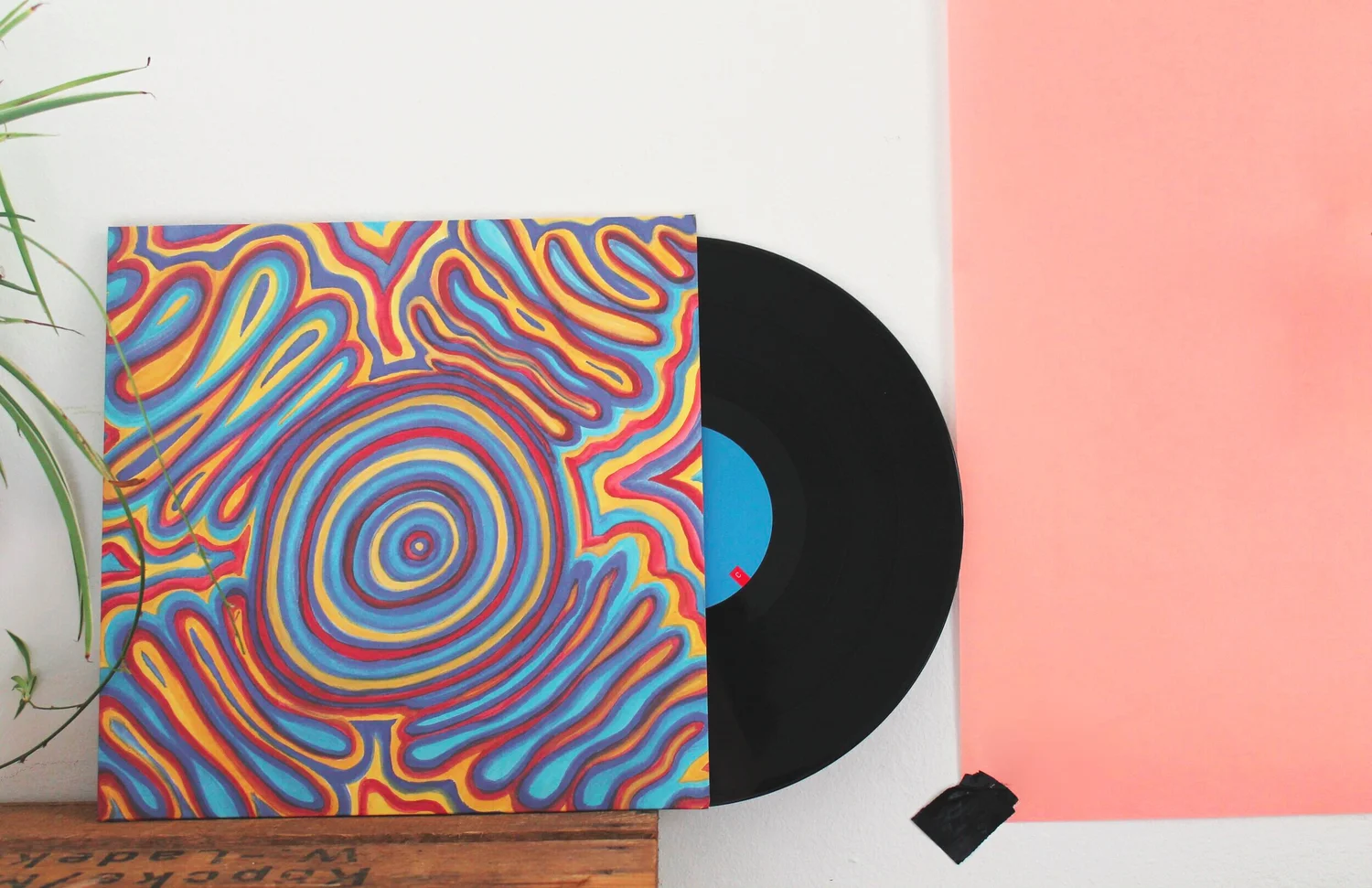
    Cosmic Transmission – a piece made in my hometown Munich by the two brothers Dario and Marco, founders of the techno label Ilian Tape in 2007. I discovered them a few years ago browsing through the records in my hometown store Optimal Records. After listening to their first LP in 2015 Immersion, numerous EPs, great live performances and broadcasted sets, they finally released a new phenomenal and diverse record in October 2020.

    Listening to Cosmic Transmission, The Zenker Brothers lead you through a broad variation of genres. The beginning opens up slowly with its ambient track ‚When Nothing Is Safe‘ priming you to the following 10 tracks: raw sounds alternating between influences of Techno, Deep Electronic and Dub, underlaid with its sound aesthetic of 90’s Hip-Hop, which they consider as their primary influence. According to them, they are more inspired from old-school Hip-Hop rather than modern techno sound – they integrate ’90s boom bap Sound‘ because of its timelessness and its futuristic and pure sound effects – “Boom bap” was prominent in the East Coast during the mid-1980s to the early 1990s characterised by a main drum loop that uses a hard-hitting, acoustic bass drum sample on the downbeats and a snappy acoustic snare drum sample on the upbeats.

    Its futuristic character renders every single track uniquely fascinating. While listening you get the time to dive into each sound formation and beat pattern, which is necessary as they are so cleverly built up and show no repetition. I always emphasise to listen to the whole album, as for me it is the only way to get an idea of the concept of a particular record. However, for a first glance, I highly recommend the following tracks, which mirror the Zenker Brothers distinct sound:

    Sphere Force, as the name already indicates, comes along with a spacey association accented with sci-fi computer sounds. Its spaciness gets carried along into the following track Divided Society, however with much more aggressiveness generated through faster drums and industrial, metallic sounds. Combing the sound to its name, the Zenker Brothers transform this feeling of division extremely well. The track transports anxiety, uncertainty und hastiness.

    Transforming Well explicitly shows The Zenker Brothers influence of 90’s Hip-Hop beats and has a groovy atmosphere. Perhaps the most impressive track is Let Loose, especially on the emphasis of its incredible sound aesthetic. The track is magnetising and like a powerful force. In my imagination, a picture arises of thousands of molecules, bit by bit all attracted into the same direction.

    As well as the opener Transcending closes the record with a light melody supported by unagitated beats, leaving you with the sensation having heard a record with extremely varying turns and surprising association.

    The Result of a brotherly bond

    As kids the brothers Marco and Dario spend a lot of time together. At first, the elder one Dario started to DJ on his own. A couple of years later Marco came to see him in a club for the first time and they soon wanted to play around on the sound gear together like back when they were kids. It had always been important to them spending a lot of time together, thus it was a natural thing to also start making music together. They describe their way of producing music as a playful ‚procedure‘ with a cheerful atmosphere: laughing and joking together, engaging in a lot of banter, thus a very brotherly and familiar way of working which probably does not feel for them like work in a conventional way, as they still interact similarly as when they were kids. “It’s sort of like hanging out and jamming than really sitting down and finishing a track in three hours.”

    They see themselves as real technology nerds but are not theoreticians, meaning they prefer to mess around with a piece of new equipment and finding a way to learn how it works rather than reading the manual.

    When it comes to creativity, they first of all obtain their inspiration through all the gear they own since they find this environment incredibly inspiring. Working solemnly with hardware ties them to the function a particular gear provides, however it also ties you down in bringing out everything the machine provides rather than having a software, which allows you to program anything you can possibly think of. This immense range of sound effects software provides, would block their creativity.

    Their collaboration does not follow any particular approach. The music emerges out of coincidence and spontaneity, thus sometimes one of the brothers is taking the lead and the other works on the board and the sound itself. To them they just love hanging out in their studio, messing about and see what happens.

    Having observed the momentarily state of the techno scene, they experience that the quality and reputation of a techno artist is measured on their social media standing. This public hype will make bookers and clubs pounce on the most popular. The Zenker Brothers consciously dissociate themselves to be a part of that this phenomenon, which does not display any valid realness and quality of a DJ. They see no benefit being associated with that kind of prestige as eventually it is not about the music; It is about making sure the club is packed and to make money. In the case of Zenker Bothers they want to build up their image through their music, not through a social media standing in order to address suitable people and bookers, who care about Zenker Brother’s music.

  • Detmolt – Memories

    Detmolt – Memories

    EP Memories

    EP Memories

    I witnessed a live performance of Detmolt, alias Christian Finscher, at the 3000 Grad Festival in 2019. I forced myself getting up at 7 a.m. to join his gig and it was one of the best gigs of the whole festival. As you can imagine the dance floor was only sparsely occupied. However, Detmolt was really going for it and you could really see his contagious enthusiasm which made everyone present to join in and absorb the special atmosphere he created. More and more people joined the dusky covered dance floor and soon there was hardly any space left.

    IMG_2098.jpeg

    Even though there is no comparison to seeing him live, his EP’s are very much worth the listen, which I discovered before seeing him at the Festival. Check out Memories, Madlen and Kaos. They have proven to be some of my constant companions.

  • Haiyti – influencer

    Haiyti – influencer

    Artwork: influencer, Haiyti

    Artwork: influencer, Haiyti

    „Und die Wolken zieh’n / feier‘ mein Comeback / Weiß nicht, wo ich war, doch zu lange weg/ Ja, ich wollt‘ zu viel, wäre fast verreckt/ Weiß nicht, wo ich war, wisch‘ die Tränen weg“

    Zerbrochen und enttäuscht meldet sich Haiyti nach nur knapp einem halben Jahr Abwesenheit in der Musikszene zurück. So beginnt Ihre neue Platte influencer mit dem Song comeback, in dem sie ihrer Enttäuschung und ihrem Selbstzweifel Ausdruck gibt. Warum?, da sie mit ihrer letzten Platte „Sui-Sui“ schon wieder nicht das erreichte, was sie sich erhofft hatte, nämlich den Durchbruch und das Ansehen im Mainstreams. Die Rapperin lässt sich jedoch nicht unterkriegen und rappelt sich auf,: „scheiss auf gestern / das war gestern“ wie sie in comeback schliesst. Sie lässt sich von ihrer Überzeugung, dass sie „deutschraps Zukunft“ und die eigentliche influencer*in für diejenigen ist, die momentan jegliche Aufmerksamkeit kassieren, nicht abbringen. Ihrer Kränkung wird aber lediglich im Intro comeback behandelt, in den folgenden 18 Tracks setzt sie sich selbstbewusst und überzeugend in Szene und beweist somit, dass sie ihrer Krise komplett den Rücken zukehrt: influencer ist ein Konter an die Rap-Branche und Abgrenzung von ihren Konkurrent*innen. Haiyti bleibt dabei ihrem Stil treu und überrascht zugleich mit einer Vielfalt an neuen kreativen Einfällen. Ihre Platte hat mich seit dem ersten Hören in den Bann gezogen, wie keines ihrer vorherigen Alben.


    Zum einen sind ihre Texte extrem facettenreich, die ihre zerbrechliche aber auch angriffslustige und wehrhafte Seiten zeigen. Die Tracks wechseln ständig ihre trappigen Beats, die manchmal flowiger sind, manchmal drillig und aggressiv. Sie bringt Rap und Gesang mit ihrer unverwechselbaren kratzigen Stimme zusammen. À la Haiyti betont sie die Wörter ganz unterschiedlich und es scheint, als biege sie sich die Worte zurecht, damit sie sich reimen, was im Track klunker sehr gut zu hören ist.

    Mit tak tak landet Haiyti einen musikalischen Volltreffer: nach einer melancholischen Klaviermelodie, folgt ein Beatdrop, dann setzt Haiyti mit lauten „Atemgeräuschen“ ein, die klingen, als würde sie damit den Gegenüber einschüchtern wollen und sich auf einen Kampf vorbereiten, bevor sie überhaupt anfängt zu rappen. Ihre Einstiegsline gibt dann den Rest: Steige aus dem Sarg, mir geht’s fresher denn je/ Neuer Hoodie, neues—, / doch it must be Cartier.“ Ihre Statements und die Betonung ihrer Wörter auf der letzten Silbe geben dem Track einen so wunderbaren Flow, sie ist dezidiert anmassend und bringt Ihre Provokationen so subtil und clever mit dem richtigen Maß an Überheblichkeit rüber.

    Der Track Sweet ist meiner Meinung nach wohl der Genialste der ganzen Platte: Eine rappende aggressive, angriffslustige und humorvolle Haiyti; jede Line sitzt zu 100%, die Main Hook könnte nicht besser gerappt werden und sprießt nur so vor raffinierter Provokation:

    „Zehner Kombi, flex‘ im Jeep, schieß‘, scheiß auf Wannabes/ Was sie tun für die Klicks ist schon fast wieder sweet/ Die Ketten funkeln mies, erst Love und dann Beef/ Was sie tun für die Klicks ist schon fast wieder sweet“

    Haiyti zeigt sich auf influencer vorwiegend von ihrer angriffslustigen Seite, rechnet ab und beweist die credibility einer unverfälschten Ganster-Rapperin, deren Gegenangriffe nie zu Ende gehen scheinen. Viele Songs zeigen aber auch Haiytis verletzliche Seite, wie beispielsweise in star und zurück als auch weltzeituhr zu hören, die dem Album eine überraschende Wendung und Tiefe geben.

    Haiyti gegen den Rest?! – Zwischen influencerin und Außenseiterin

    Im Vergleich zu ihrer Konkurrenz hat Haiyti’s Musik etwas Erfrischendes. Es hat den Anschein, als kopieren sich alle Deutchrapper*innen gegenseitig, geleitet von dem, was sich im Deutschrap am besten verkauft. Es scheint so, als ist Haiyti eine der Einzigen, die sich dem ganzen aber widersetzt.

    „Ist sie der ewige Geheimtipp?“ lese ich während meiner Recherche in der Juice über Haiytis Album. Ja, die gleiche Frage stelle ich mir auch, so wie ungefähr die komplette Kulturjournalismus-Branche und letztlich Haiyti selbst. Wo bleibt ihr wohlverdienter Erfolg, nachdem sie innerhalb 4 Jahren 8 Tonträger LPs, 6 EPs veröffentlichte und nebenher etliche A-Klasse Rapper wie Trettmann, LGoony und Frauenarzt featured.


    Haiyti’s Konzept folgt weder einem Plan noch lässt sie sich von Produzent*innen oder Manager*innen helfen. Sie packt alles alleine an, bastelt und produziert alle Songs selbst, und wenn, dann sucht sie nur nach einen „Musikproduzenten ohne Egoproblem“ (laut ihrem Twitteraccount); „Leute, die ruhig bleiben und ihr ein ordentliches Konzept bieten können.“ (Interview: wundersame Rapwoche) Es scheint aber, als könne nur sie selbst ihrem Anspruch gerecht werden, da ihr Konzept ist, kein Konzept zu haben. Das meiste denkt sie sich spontan aus, vollendet teilweise die Tracks unterwegs in der U-Bahn, um die Abgabe ihres Albums einzuhalten, bevor es in die Pressung kommt – dreht Videos mehr oder weniger semiprofessionell und veröffentlich diese sporadisch. Weder ihre Musik noch die selbstproduzierten Videos geben Anlass zur Beanstandung, sie sind ganz im Gegenteil Ausdruck der intuitiven Kreativität Haiyti’s in der Spontanität und Randomness den Prozess bestimmen, und so ihre Videos und Musik sehr einzigartig und abwechslungsreich machen.

    Diese Freiheit kommt für die Rapperin jedoch nicht ohne Folgen: laut Haiyti widme sie zwei Prozent ihrer Zeit der Musik; der Rest gehe auf eigenes Marketing und Management. Die eigentlichen finanziellen Ziele der Rapperin, wie sie auch in ihren Songs von Saint Tropez und Hollywood von Extravaganzen träumt, haben sich bis dato noch nicht erfüllen können. Allein durch die Produktion ihres Albums „Sui Sui“ ging sie mit 100.000 Euro ins Minus, gibt aber offen zu, nicht wirtschaften zu können und müsse deshalb im „Szenezirkus“ mitspielen.

    Der Szenezirkus mag immer noch eine wichtige Funktion haben, sich Aufmerksamkeit in der Rap-Branche zu verschaffen, aber ein beachtlicher Faktor für Haiytis ausstehendem Erfolg ist jedoch, in Zeiten von Spotify, ihre im Verhältnis geringen Klicks und fehlende Aufmerksamkeit, die letztendlich ihre Konkurrenz „auszeichnet“. Eine der bisher reichweitstärksten Spotify-Playlisten im Genre Deutschrap „Modus-Mio“, geliked von 1,5 Millionen Usern, entscheidet im deutschen Rap mittlerweile über Karrieren. Anachronistisch zu jeglichem Lob und Aufmerksamkeit der Kulturjournalistik, war Haiyti bis jetzt nur wenige Male auf jener Playlist vertreten.


    Haiyti bezeichnet sich als Gangster-Rapperin, da sie den Ghettolebenslauf aufweisen kann, den sich so manch andere Artists der Rap-Branche nur erwünschen können, sie jedoch vorwiegend als Kunstfigur verortet wird. Sie bezeichnet diese Verortung als Missverständnis, da die Verbindung zur Kunst in ihrem Hamburger-Kreis als normal gelte und sie sich mit der Bezeichnung einer Kunstfigur gegenüber der Rap-Branche unrecht abgeschoben fühle.


    Haiyti’s Rezeptur für ihre Musik ist wohl die Kombination aus Spontanität, ‚do-it-yourself‘ und vor allem die Erwartungen anderer Leute nicht zu erfüllen, obwohl dies laut Haiyti, gar nicht beabsichtigt sei und das wohl eher „aus versehen“ passiert. Allerdings ist das ist wohl der Grund, was Haiyti so sympathisch und authentisch macht. Doch alles steht wohl unter dem Image, mit dem sie spielt und dieses letztendlich auch pflegt: deutschen Rap zu schaffen, der sich gegen den Strom des momentanen Rap-Booms bewegt, gemessen an Spotify Klicks als Maßstab von Erfolg. Wie sie auf in ihrem Track sweet rapt, liegt es wohl daran: „fehlende Realness in der Szene gibt es noch immer Lebenslänglich“; sprich, wer sich den Regeln der Rap-Branche unterordnet und mit schwimmt, der hat Erfolg, aber der Anspruch, authentisch und der eigenen Kreativität treu zu bleiben, stehen womöglich nur an zweiter Stelle.

    Der Länge meines Artikels zufolge nach, zeigt sich, dass sich hinter Haiytis Musik und Person wirklich viel verbirgt und ich könnte hier noch viel ausschweifender werden, da ihre Lyrics vollgepackt mit cleveren Anspielungen und Provokationen sind, die sie zusätzlich durch ihre ganze Wesensart und Kreativität extrem überzeugend und authentisch rüberbringt. Ich lehne mich nun weit aus dem Fenster und begründe Haiytis fehlenden Erfolg im Mainstream damit, dass ihre Musik letztendlich zu clever und vielschichtig für den „normalen“ Hörer ist, der viel genauer hinhören und sich mehr Zeit nehmen müsste, um die Raffinesse ihrer Musik wirklich zu erfassen. Es gibt wohl keine vergleichbare Rapperin in Deutschland, die so einzigartig ist. influencer ist meiner Meinung nach das beste Deutsch-Rap Album 2020, dicht gefolgt von Haftbefehls Das weisse Album auf Platz 1. Beides einfach nur krasse Bretter! 😉

  • HVOB – Rocco

    HVOB – Rocco

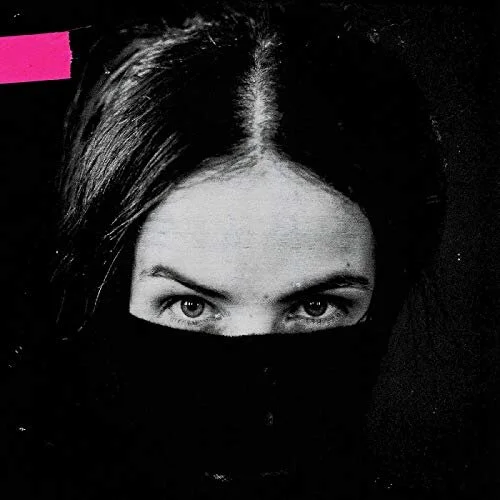
    Artwork Rocco

    Artwork Rocco

    For those of you, who listen to Electronic Music, this Austrian DJ-Duo should be pretty familiar to you. Listeners, who are unfamiliar with or not that versed in electronic music will find HVOB gives them a well digestible first or second access to electronic music. The LP Rocco offers great versatility through its interesting dramaturgical content and its diverse range of genres. At the same time HVOB’s album comes with a musical-political statement as they criticise the hyper-consumption of electronic music nowadays.


    Anna Müller and Paul Wallner are the two faces of the electronic DJ duo HVOB (HerVoiceOverBoys) which they founded in 2012. At first, merely publishing a few tracks on Soundcloud, their attention seemed to become independent and soon were to be soomed and sealed under Oliver Koletzki’s Label “Stil-vor-Talent”. At first glance they may be undermined by the commercial image of the “electropop” label, but in my opinion have overstepped this presumption by far.


    Their latest LP “Rocco” shows HVOBs peerless creativity in its complex and coherent embedding of hypnotic deep-house and rumbling techno over the course of 121 minutes: starting off with HVOB’s trademark whisper of Anna Müller and the use of minimalistic synthesiser composed by Paul Wallner in the first few “comforting” tracks. Then unexpectedly breaking off its peacefulness with the rumbling and dark track “Butter”. The track is supposed to imagine what its sound like once technology fully takes over. Afterwards feeling overwhelmed through “Butter’s” enormous hectic pace you then feel additionally overrun by the sadness of the following track “Sync”. I reckon the lyrics say it all:

    Pick me up
    In an orange car
    Take my heart
    Take me far
    Pick me up
    In an orange car
    You don’t know
    You’ve left a scar
    Pick me up
    In an orange car
    Let’s forget
    Who we are

    The dramaturgical sequence of the album refers to stories of letting go, saying good-bye and reorientation; or in Anna Müller’s own words: “It leads into a second world where you are free”. Rocco present an alternative to nowadays music streaming period’s fast pace, treating music like disposable items. They so do speak from my soul and set the right mark against the overall trend the music industry has been following for a while! Anna and Paul are both aware that they do not withstand this speed, but are nonetheless proud of their music’s necessary “ingredient”: time.

    On the whole Rocco contains songs over a wide range of extremely vivid tracks but also fairly wearing and profound parts, pushing its listener to face sadness, insecurity and fragility through its reflecting and melancholic narrative. Enclosing dark deep-house with soft piano melodies, stomping “industrial” techno beats, gritty synths and serene vocals make HVOB’s music exceptional.

    As HVOB gives spectacular live performances I recommend to watch this video of them playing at Copa del Sol in Careyes in Mexico broadcasted by Cercle.

    For a quick view go to 1.17.30 min for their finale playing “Butter”. What a superb atmosphere they create!

  • Bongeziwe Mabandla – iimini

    Bongeziwe Mabandla – iimini

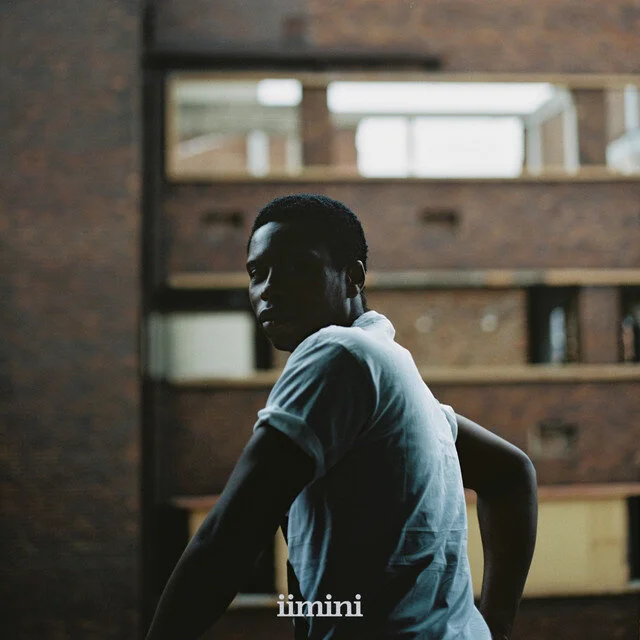
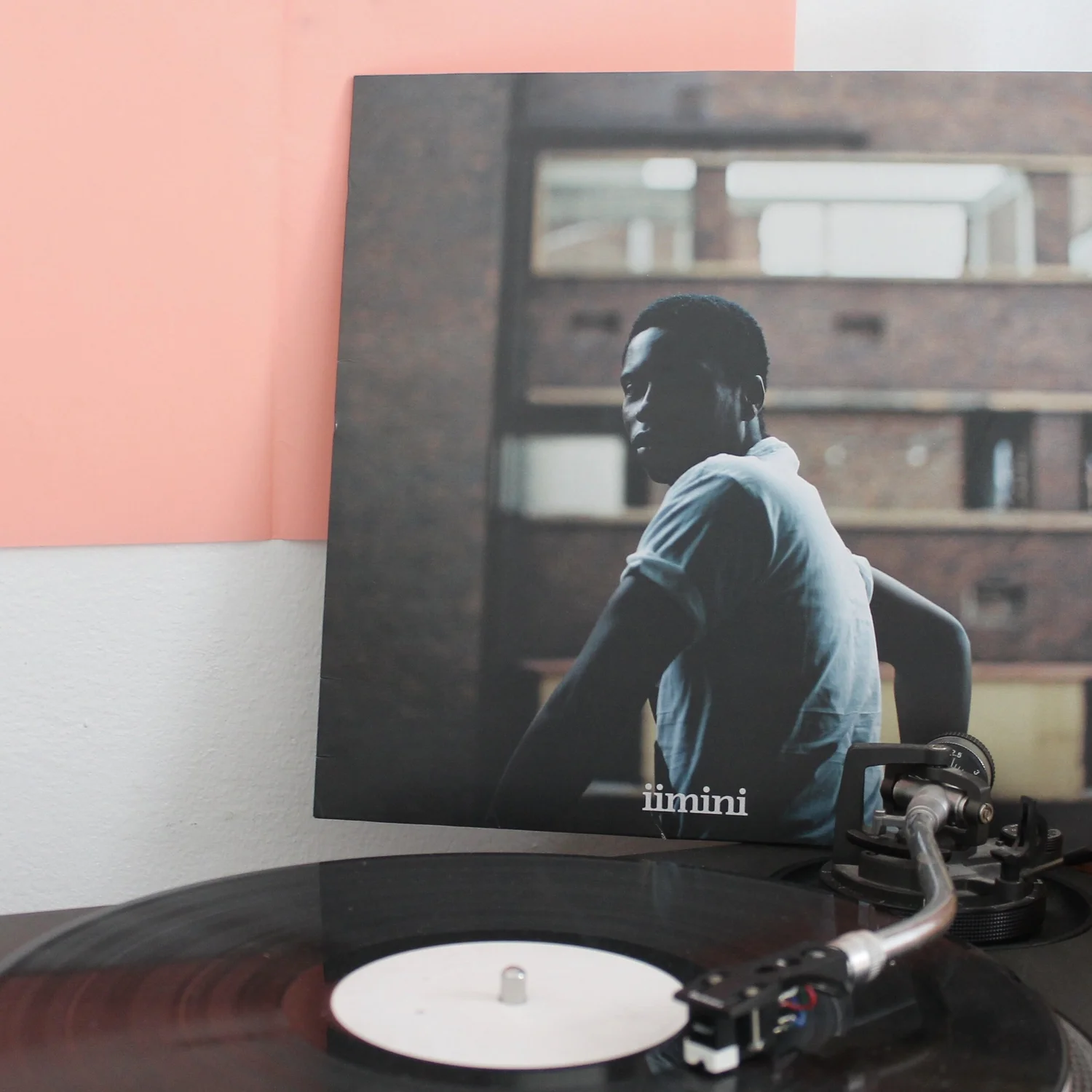
    Artwork “iimini” showing the artist Bongeziwe Mabandla

    Artwork “iimini” showing the artist Bongeziwe Mabandla

    “iimini” is one of a kind and a discovery which definitely has stood out among anything I have listened to for a while: iimini wants to tell us a story; a very personal and heartbreaking love-story lived through (and by) its singer, “Bongeziwe Mabandla”. Bongeziwe is from South Africa where he grew up in the rural town of Tsolo in the Eastern Cape, then moved to Johannesburg for his studies in Drama and has lived there ever since.

    In this seminal piece Bongeziwe takes the listener through a journey of all the intensive feelings and memories, that come along with meeting a very special person, falling in love but then sadly having to cope with breaking up and accepting the loss of that love. A dramaturgical masterpiece, indicative of this is the the beginning mark of the story in the first track, through the sound of a door opening, in the last track a door closing, marking the end of the story. Some of the tracks are named according to dates put in brackets, referring to the time of the actual events having happened in Bongeziwe’s life. Through this very personal approach he aims to share his experience as accurately as possible, like a musical autobiography showing through his own story the complexity of relationships.

    It is astonishing to see how Bongeziwe succeeded to incorporate his own story into his music so clearly, to the effect that the listener comes to understand and feels what he sings about, even without having to understand a single word of the spoken language. He sings in his mother language Xhosa, which is a language spoken in the South-Africa, Bongeziwe self-reportedly said that singing in Xhosa is not only marking his Black-Consciousness but also Xhosa’s intonation and accent sound smoother and powerful.

    It is not only the language which makes this sounds as outstanding as it is: He combines his musical background of traditional African “Call&Response” singing, his remarkable head voice and gentle acoustic-guitar, with soft electronic beats and synthesiser melodies. With this combination he not only upends any prejudices, he proudly cultivates his tradition and culture but reflects South-African music’s diversity and adaptability, by giving his music its soul and folk character.

    Check out the following 2 tracks for Bongeziwe tradmark singing:

    Overall Bongeziwe’s unique and subtle head voice creates a powerful atmosphere letting us get close to his way of trying to cope with a big loss: looking back, capturing memories and reflecting.

  • The Düsseldorf Düsterboys – Nenn mich Musik

    The Düsseldorf Düsterboys – Nenn mich Musik

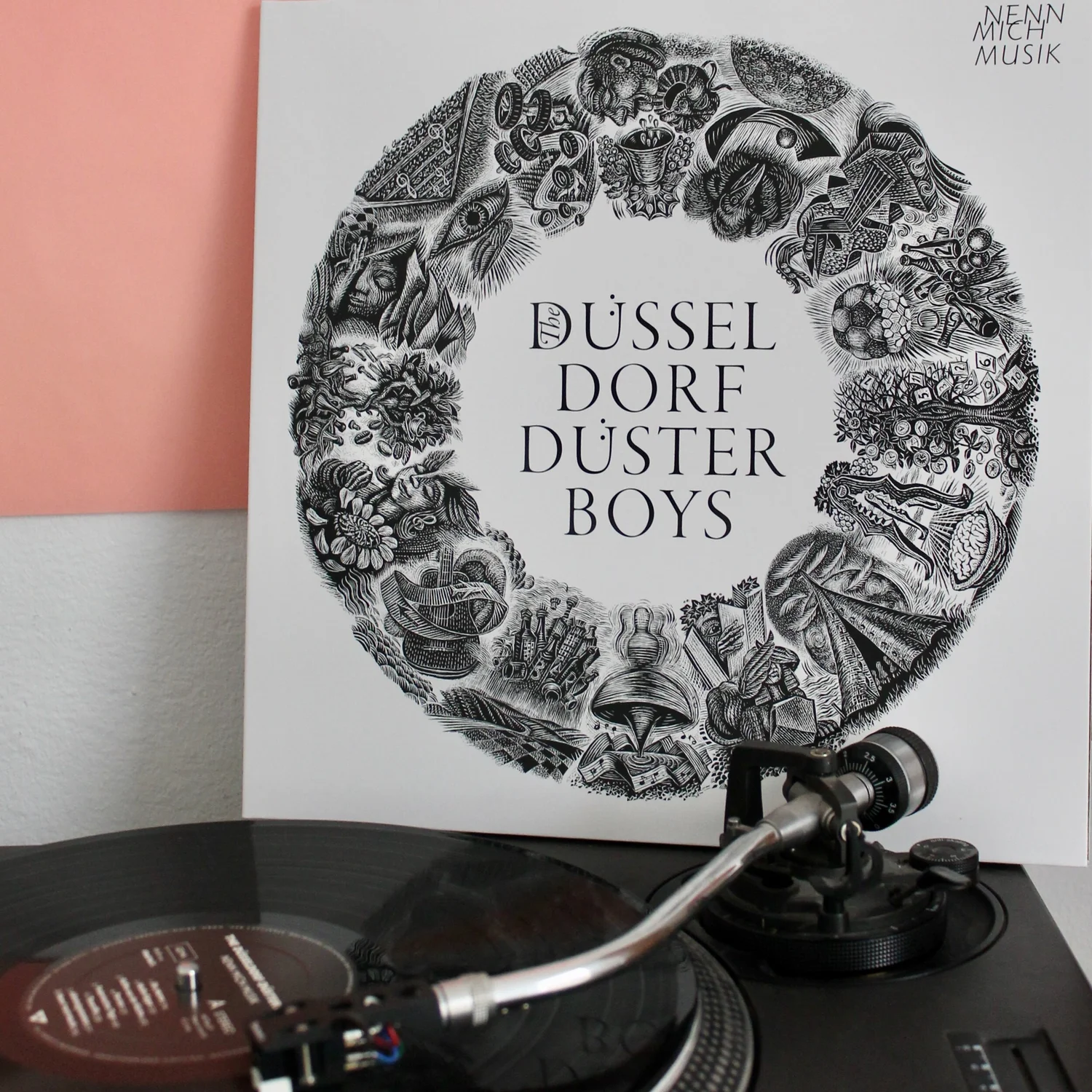
    Artwork: The Düsseldorf Düsterboys

    Artwork: The Düsseldorf Düsterboys

    Die Platte „Nenn mich Musik“ hörte ich erstmalig 2019 in einem Secondhandshop in Leipzig, als ich mit Freunden unterwegs war. Eigentlich auf der Suche nach Garderobe, wurde ich zufälligerweise auf andere Weise fündig: eine Musik- Neuentdeckung, die ich seitdem unzählige Male auf und ab gehört habe.

    Ich fragte den Ladenbesitzer sofort nach dem Interpreten. Egal, ob ich im Café, in Restaurants oder bei DJ-Auftritten über interessante Tracks stolpere, ich habe mir angewöhnt, die dort anwesenden Menschen nach der Musik zu fragen. Wie oft habe ich schon – nach nicht ergriffenen Gelegenheiten oder fehlendem Shazam-Zugriff und trotz langer Suche – bereut, den/die Interpret*in nicht wieder zu finden. Zudem ist es ein toller Nebeneffekt, über die Musik in Kontakt zu treten, womöglich sogar noch mehr zu erfahren. Die Gesprächspartner sind jedesmal begeistert über mein Interesse und neugieriges Nachfragen.

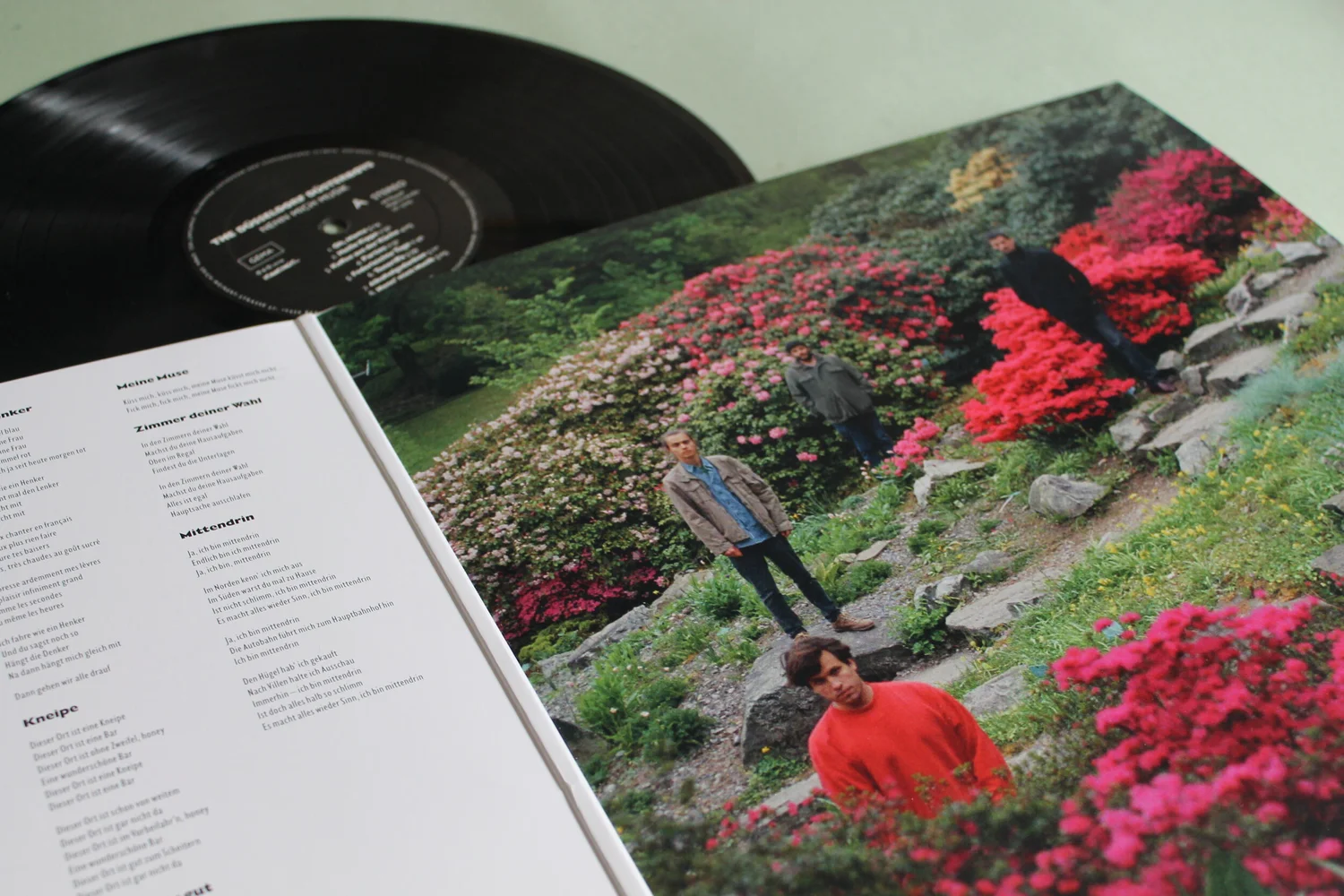
    Die Musik passte perfekt in den dunkel beleuchteten, leicht miefigen, aber gemütlichen Laden. Die Band The Düsseldorf Düsterboys, bestehend aus den Sängern Pedro Goncalves Crescenti und Peter Rubel, die von Edis Ludwig am Schlagzeug und von Fabian Neubauer am Klavier begleitet werden, veröffentlichten 2019 die Platte „Nenn mich Musik“.

    Artwork: The Düsseldorf Düsterboys

    Artwork: The Düsseldorf Düsterboys

    Im ersten Moment würde man die Lieder in die späten 70er Jahre verorten, da durch die Klangästhetik westdeutscher Krautrock vermittelt wird. Der Inhalt ihrer Songtexte macht jedoch hörbar, dass diese vor nicht allzu langer Zeit verfasst worden sind: Sie befassen sich vorwiegend mit der Faszination und Vertrautheit von urig-geheimnisvollen Kneipen, die einen nach einer bereits durchzechten alkohohllastigen Nacht, dazu einladen, sich auf versifften Kneipenhockern festzusetzen und melancholische, tiefgründige Gedanken oder Gespräche geschehen zu lassen. Die Kombination ihrer Themen, die sich zwischen Trägheit, Melancholie, Sehnsucht, Ironie bis hin zu Absurditäten bewegen, lassen sich unterschiedlich deuten, haben aber vorwiegend einen belustigenden Effekt auf den Hörer. Die humoristische Wirkung war ursprünglich gar nicht beabsichtigt, doch laut der Band ein neuer Blick auf ihre eigene Musik.

    Insbesondere der Song “Mittendrin” hat meine Faszination aufgrund der doppeldeutigen Wirkung geweckt. Das Lied könnte nicht träger gesungen werden und der Inhalt des Songs ist spärlich, aber es versetzt den Hörer in den Zustand von Zufriedenheit mit einer Prise Schwermut. Dieses Gefühl wird zusätzlich am Ende durch ein wunderschönes Gitarrensolo verstärkt. Doch diese übertriebene Trägheit des Songs ist daher in gewisser Weise auch komisch und belustigend.

    Vor allem aber macht die Musik Freude, wenn man sich dem mehrstimmigen Gesang von Peter und Pedro anschließt und mitsingt; als säße man gesellig mit Freunden in einer urigen Kneipe und stimmt zusammen Lieder an … zumindest geht es mir so 😉


    Meine weiteren Empfehlungen, um einen guten Eindruck für die Musik der Band zu bekommen, sind die Songs Parties, Heiße Kippe, Oh Mama und Kaffee aus der Küche.

    Oh, Mama

    Kaffee aus der Küche

    Nenn mich Musik auf Spoify hören:

  • Gidge – New light

    Gidge – New light

    New Light Cover Art, Atomnation

    New Light Cover Art, Atomnation

    Gidges‘ latest 2020 release “New Light” caught me by surprise, but also as a slight disappointment in comparison to “Autumn Bells”. Having said that, it anyway might seem hard to outdo their debut LP in which they have set very high standards.

    The Swedish electronic DJ-duo, Ludvig Stolterman and Jonatan Nilsson, self-reportedly found their inspiration for New Light travelling the Pacific Northwest and again, recorded sounds of forests, oceans and mountains.

    In general, the album’s beats are a lot faster than those of their debut album. Driven by using rapid rhythms, consecutive variant beats, cueing in vocals and instrumental samples, thus creating a much brighter and lively atmosphere. While “Autumn Bells” consists of a greater influence of ambient music, “New Light” certainly has its location in ambient house music through its emphasis on melodic and vocal character.

    Again I would like to point out parts which stand out for me and define the album’s character: The first Song “Quasar” perfectly prepares you for the consecutive track “New Light”: “Quasar”s‘ smooth cut at the end, which gets taken over by “New Light”, combing sounds of the previous song but with a complete different set out, creates an infectious mood simply animating oneself to dance. With the 10 minute track “Perimeter”, Gidge yet again show their diversification of sounds throughout its course and then finishing off with a calm, melancholic outro.

    Nevertheless, Gidges‘ signature is clearly perceptible in those 9 new tracks: transporting the endlessness of the ocean and deep woods, Scandinavia’s cold and misty weather, which creates a comforting and vibrant effect on its listener. In comparison to their LP Autmn Bells it is a lot more melodic and dancy.